Capitol Reef National Park sits at an elevation between 5,500-9,000 feet in south-central Utah's high desert region. The area experiences temperature swings of 30+ degrees between day and night, with summer highs often exceeding 100°F and winter lows dropping below freezing. Most dispersed camping sites near the park lack shade structures, requiring campers to create their own protection from intense sun exposure.
What to do
Fishing at nearby reservoirs: Lower Bowns Campground provides access to a trout-filled reservoir just a short drive from Capitol Reef. "I love this place. The lake is easy to fish with lots of hungry trout. The camp site is clean and the mountain air is amazing. Make sure you pack a pontoon boat with you. There is really good fishing only steps away from the campsite," notes Brad B. from Lower Bowns.
Seasonal fruit picking: Fruita Campground offers unique access to historic orchards. "Our tent is currently surrounded by red rock structures on 3 sides, along with a horse stable, and… a fruit orchard. This venue is surreal," writes JOSEPH G. Tim S. adds that the campground is "Clean and quaint imbedded in historical area. Right inside the park and convenient to everything in the park."
Stargazing at higher elevations: Sites farther from town provide exceptional night sky viewing. "The night sky was magnificent and may have made up for our inability to shower for a couple days. We were the only ones in the park, Winter camping. It's located in a dark sky area, so the skies are clear and the air is clean," explains Carlyne F. from Sand Creek RV, Cabins, Tents.
What campers like
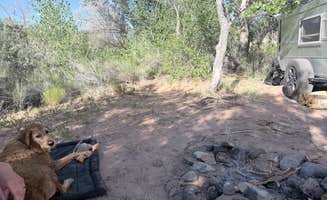
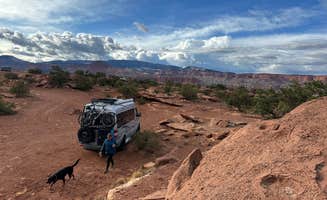
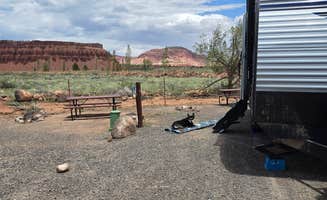
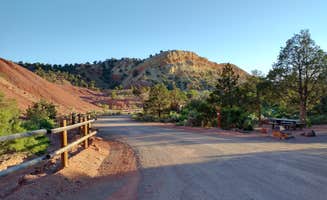
Rock formations and privacy: Many dispersed sites feature unique geological formations. "We found a very scenic spot to camp here! It's pretty popular," notes Christina W. about Capitol Reef National Park Dispersed Camping. Another camper, AMY B., describes "Very nice, scenic spot, exactly what I wanted in canyon country. A mix of larger, open sites that will accommodate larger rigs, and smaller, more private sites."
Year-round accessibility: Route 24 Dispersed Camping remains open throughout winter when many developed campgrounds close. "Nice quiet area with view and stone firepits," reports Jessa C., while Tod F. adds, "The views from this area are excellent and you are right next to the entrance to Capitol Reef. We pulled in Nov 1, 2020 and only one other vehicle all night."
Water access in hot months: Some sites offer natural cooling options during summer heat. "This is one of our new favorite campgrounds! We stayed in loop C and there was plenty of shade to stay cool. There were also lots of people cooling off in the river that runs through the campground," writes Hattie R. about Fruita Campground.
What you should know
Wind conditions: The mesa-top dispersed sites experience significant wind. "This is a great spot not far at all from the Park. You're up on a beautiful bluff but we won't stay again due to relentless wind. Zero wind in the park just a 15 min drive away but the wind here was just terrible," warns Jenn C. from Beas Lewis Flat Dispersed.
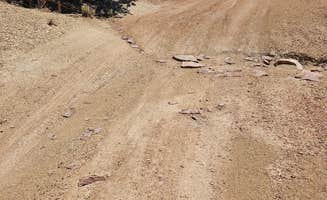
Road access challenges: Some campgrounds require careful navigation. Justin A. advises about Lower Bowns: "The long road down isn't easy with heavy loads, the road is narrow. We had our daughter ride a bike ahead of us before we pulled out of ravine to hold off or warn oncoming traffic."
Wildlife interactions: Local wildlife may damage vehicles at some sites. "Convenient spot for stop over on your way further. Was only here for an overnight and a rat crawled up into our warm engine bay and chewed through our fuel injector copper wires," reports Alysha C. at Overlook Point.
Tips for camping with families
Higher elevation cooling: During summer, consider campsites at higher elevations. "We were happy we stayed here over the Fruita Campground in Capitol Reef. It was cooler being at a high elevation, and way less crowded," reports Milty V. about Singletree Campground, which sits at a considerably higher elevation than in-park camping.
Wildlife viewing opportunities: Many campgrounds offer natural wildlife encounters. "There were abundant mule deer that walked through the campsite," notes Hattie R. about Fruita Campground, while Brad B. mentions seeing "big deer in the campground and park."
Tent wind protection: When tent camping with children, seek sites with natural wind barriers. "Some campsites are great, with shade and a creek that travels next to the tents. Others, particularly in the center of the loop, are not as glamorous," advises Chris P. regarding Singletree Campground's varying site qualities.
Tips from RVers
Electrical reliability concerns: Larger RVs may experience power issues at some parks. "When all the large RVs returned for the night, our electricity browned out and we couldn't run our AC. Our power also cut out during the night," warns Pam R. about Thousand Lakes RV Park.
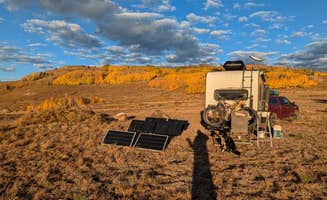
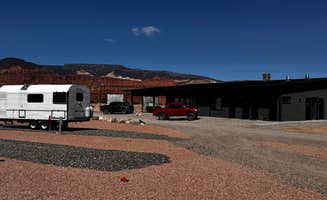
Off-grid dispersed camping access: Most dispersed areas can accommodate larger RVs with proper clearance. "We found a very scenic spot to camp here with our 26ft Class C Motorhome although we were towing a dolly and our drop hitch did get stuck on a steep part and we had to dig it out," shares Bethany W., who visited Beas Lewis Flat with her RV.
Winter camping limitations: Many facilities close during winter months. "Located in Torrey, Utah this RV park was a great place to stay when visiting Capitol Reef National Park. They're still open in the Winter, but we didn't find out they closed their showers and bathrooms until we were told upon arrival," notes Carlyne F. about Sand Creek RV Park.











 Legend


