The Francis Marion National Forest offers approximately 250,000 acres of forest land with designated camping areas that welcome pets. Average summer temperatures reach 90°F while winter nights can drop to the low 40s. Camping in this region often means encountering distinct coastal plain ecosystems featuring pine forests, swamps, and maritime influences.
What to do
Explore historical sites: Several camping areas provide access to Revolutionary War history. At Honey Hill Recreation Area, one camper noted the historical significance: "Jim told us that it was around this site that General Francis Marion gathered his forces to fight the British in a decisive revolutionary war battle. He said they mainly subsisted on the sweet potatoes grown here."
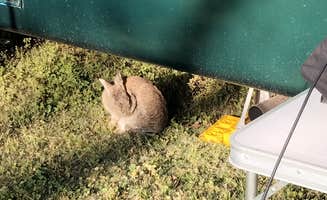
Wildlife photography: The diverse ecosystems support abundant wildlife viewing opportunities. At Santee Coastal Reserve, a camper shared: "Several hiking trails around the reserve where you can see various birds and spot alligators bathing in the sun." Another visitor observed: "Great opportunity to see wildlife. Lots of mosquitoes, but not miserably so."
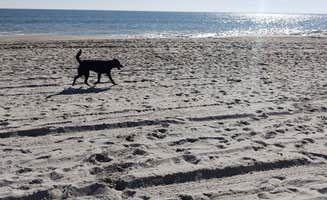
Beachfront relaxation: Coastal campgrounds offer direct ocean access with amenities. One visitor at Pirateland Family Camping Resort recommended: "I advise spending the extra money for a site on the beach!!! worth it. they have cabins too." Another camper added: "We had a great spot; right on the beach. The park was huge, seemed like a thousand spaces."
What campers like
Natural serenity: Several campgrounds feature quiet, undeveloped settings. A camper at Santee Coastal Reserve described it as "a quiet nice campground to get away from it all. If you love nature this is a wonderful place." Another noted: "Small and quiet public campground. Large spaces with fire ring and picnic tables in most."
State park amenities: State parks balance natural settings with facilities. At Huntington Beach State Park Campground, a visitor shared: "Great campground. Close to the beach without being on the beach. Sites are well maintained, with only a few having sewer hook ups. Awesome state park." Another praised: "We camped here this weekend. Rain finally stopped and Sat and Sun were sunny and cool. We love this park to walk the beach, watch the birds and just relax."
Spacious campsites: The less developed camping areas offer more privacy. At Honey Hill, a visitor observed: "Big gravel loop with about 10 sites under the pines. Water spigot didn't work but there were vault toilets." Another camper detailed: "It has a vault toilet and 8 sites that are first come first serve. Both Friday and Saturday night there was only one other site spoken for."
What you should know
Road conditions: Some camping areas have challenging access roads. A visitor to Guilliard Lake warned: "This is not a campground for anyone with a large rig or RV. The dirt road in for several miles has VERY large potholes and you have to weave across the track to avoid them. Ok with car if very careful especially at night."
Water quality concerns: Water access varies significantly between campgrounds. A camper at Hidden Marina & Campground cautioned: "The water smells like rotten eggs or rotten meat on any given day. I would not recommend drinking. They periodically just pour bleach in the tank to 'clean it' and then your water smells like bleach."
Seasonal crowds: Popular beach campgrounds become extremely busy in peak season. At Pirateland Family Camping Resort, a visitor noted: "The park was huge, seemed like a thousand spaces. Would be very overwhelming in the summer time." Another mentioned: "We had a great time. Rent a golf cart and ride around. Make sure to decorate it because there is a cart parade every night from 9-11."
Tips for camping with families
Insect preparation: The coastal environment creates significant mosquito pressure. A camper at Santee Coastal Reserve advised: "BEWARE though, mosquitoes are in bazillions here and huge. Make sure you take your deterrent so they don't carry you off or take all your blood." Another warned: "Really really loved this campsite. I just wish the mosquitoes were less relentless."
Beach accessibility: For families with children, beach proximity matters. A visitor at Myrtle Beach State Park Campground praised: "This place has all the amenities one could ask for in a beautiful setting by the beach. Lots of different campers, has a store, trails to walk or take your golf cart, steps away from the beach, clean bathhouses, and a pier."
Water recreation options: Multiple campgrounds offer water features beyond the beach. At Pirateland, a camper shared: "This place is awesome especially if you have kids. Bath houses are nice and clean, splash pool is top notch, putt putt, food, and the beach here is really nice."
Tips from RVers
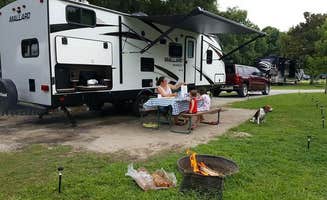
Site selection: Choose sites based on both utility needs and environmental conditions. At Myrtle Beach State Park, an RVer advised: "Lots and lots of trees. Need to drive very slowly to campsite. All sites sand based. Lots of trees on some of the camping sites one would need to navigate around. Our site was on a corner, level and easy to get into - 34 ft class A with toad."
Seasonal considerations: RV camping offers different experiences throughout the year. One camper at Myrtle Beach noted: "WE camped here in 2018 winter and had a very good time. Other than February and if you are older than 55 or so you must move out after 2 weeks and sometimes if enough sites you can move to another site. In February they allow 4 weeks stay."
Advance planning: Popular locations require significant lead time. A visitor to Huntington Beach State Park advised: "This park is the best. Great campground, easy beach access, wonderful area, great for photography, wonderful staff. We camp here as often as possible. Fills fast, so make reservations well in advance."














 Scout
Scout


