The Delaware River region near Sparrow Bush, New York sits at approximately 400-500 feet elevation with dense deciduous forests and rocky terrain. Summer temperatures typically range from 60-85°F with frequent afternoon thunderstorms from June through August. The area's diverse landscape includes multiple waterways and varied topography that creates distinctive microclimates across different campgrounds.
What to do
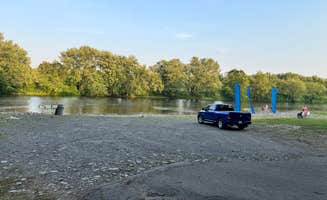
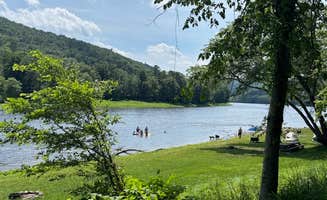
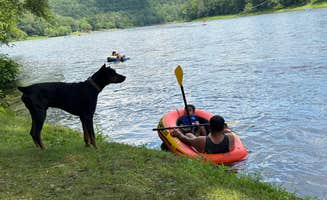
Water activities on the Delaware River: Dingmans Campground offers direct river access for swimming and paddling. "You can paddle it right from the campgrounds personal launch or start up river and land at their launch. Wooded sites are just as pretty sans the water views," notes Eric P. The river is shallow enough in many areas for wading.
Hiking the Appalachian Trail: Sections of the famous trail pass within minutes of several local campgrounds. "I stopped at this shelter while hiking the AT in High Point SP. It was raining the entire day and the shelter provided a dry place to take a break," shares Richard M. Most trails require sturdy footwear due to rocky terrain.
Visit local waterfalls: Many cascades are accessible via short hikes. "The kayak trip down the Delaware River was beautiful! Saw about 6 bald eagles! When we got back to the campsite we had to go get our truck to bring our kayak back to the site," reports Pawsfuradventure T. Most waterfalls flow strongest in spring but remain impressive year-round.
What campers like
Waterfront camping spots: Namanock Island provides a unique island camping experience. "As always, camping on the island is such a treat. You totally feel that your party is alone out on the river, the entire world is yours and yours alone," writes John B. Sites facing the water tend to fill first during peak season.
Natural swimming areas: Many campgrounds feature water access points. "The river is beautiful and was so nice to jump into! Some people even made little pools made of rocks!" reports Jackie at Dingmans Campground. Swimming is typically best from late June through early September when water temperatures reach comfortable levels.
Night sky viewing: With limited light pollution, stargazing is exceptional. "Once darkness falls there are no lights to be seen in either direction, up or down river. You are camped on the side of the island that views Pennsylvania's shore. Now, no lights means an incredible view of the night sky," describes John B. Clear nights between new moon phases offer optimal viewing conditions.
What you should know
Campground noise levels vary widely: Some locations enforce quiet hours strictly while others don't. "This park feels very PA to us with rolling hills, bald-top mountains to climb (some with fire towers), and lots of water to explore. Individual sites were generously sized, shady, and relatively private thanks to the vegetation," notes Harry H. about Ocquittunk. Compare reviews specifically mentioning noise before booking.
Wildlife interactions require caution: Bear activity is common in this region. "Remember, this is bear country so proper food storage is a must. Bear lockers are not provided. The area also has ticks and rattlesnakes," warns Derek W. Food storage containers are rarely provided at campgrounds.
Weather can change rapidly: Mountain terrain creates unpredictable conditions. "We went in November when there was a light rain that turned into a thunderstorm with hail and sleet! It was certainly an adventure," recalls W L. Prepare for temperature swings of up to 30°F between day and night, especially in spring and fall.
Tips for camping with families
Choose campgrounds with kid-friendly amenities: High Point State Park Campground offers various recreational options. "I spent two nights camping with my niece and this campground was perfect. We fit in a hike up to the Appalachian Trail from our campsite, swam at the pond (Lake Marcia), and got in a fishing session at Steeny Kill Lake," shares Justin P. Many parks offer junior ranger programs during summer months.
Book sites away from water for toddlers: Riverside spots may require constant supervision. "We stayed at site #T007 is was a short walk from the car to the site, but so worth it for many reasons. The site itself is huge and we were able to position our tent facing the lake, it was beautiful!" explains Kara L. Sites further from water typically have fewer mosquitoes as well.
Plan for limited cell service: Most dog friendly campgrounds near Sparrow Bush have spotty coverage. "No cell or WiFi service anywhere on the campground but you can find it about 10 min or less away," notes Rob M. Download maps and activity information before arriving as many visitor centers close early.
Tips from RVers
Prepare for challenging access roads: Many campgrounds have tight turns. "If you are a tent camper. There seem to be 2 bath houses and some porta potties by the river sites. Some of the bath houses are far from sites. Wood bundles are small and over $8. We requested a 30 or 50 amp site and originally were given a 20 amp. They quickly rectified that," explains Jackie at Dingmans Campground.
Check site levelness before setting up: Uneven terrain is common. "When you leave you have to drive the wrong way in the campground because of the low hanging trees the correct direction. There is a small playground, a mini golf, and a large dog walk. The staff is very friendly and knowledgeable of the area," reports Bill B. at Pleasant Acres Farm RV Resort. Most campgrounds don't offer leveling blocks.
Full hookup availability is limited: Reserve early for premium sites. "It's a nice spot to sit and enjoy the sun, sounds of nature, and have yourself a cold beer. You are limited to one night on the island. They are primitive campsites which include a fire ring and a primitive toilet," mentions Derek W. Many pet-welcoming campsites with hookups fill 3-4 months in advance during peak season.











 Scout
Scout


