Liberty Hill sits within the Texas Hill Country, averaging 1,250 feet above sea level, with limestone outcroppings and juniper forests dominating the landscape. Summer temperatures regularly exceed 95°F between June and September, while winter nights can drop below freezing. Rainfall concentrates primarily in spring and fall, with May and October typically receiving the highest precipitation.
What to do
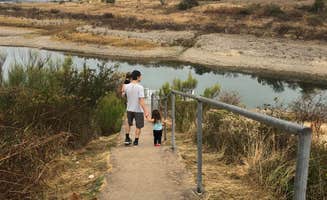
Hiking on the Goodwater Loop: Russell Park provides access to the 26.2-mile Goodwater Loop trail that circles Lake Georgetown. "The trail is very rugged for bikes. The boat traffic on the lake was pretty low so it's a good place to take a kayak or canoe," notes Laura F. about Jim Hogg - Lake Georgetown. The trail terrain varies significantly with rocky sections requiring appropriate footwear.
Swimming at natural springs: During summer months, Krause Springs offers relief from the heat. "The creek extending from the swimming area eventually leads to Lake Travis. There's a trail that goes along the creek for awhile, past the second waterfall and some nifty formations on the cliffs," shares Emily M. about Krause Springs. The natural pool stays around 70°F year-round.
Cliff jumping: For more adventurous visitors, Pace Bend Park provides opportunities for cliff jumping. "My favorite part about this campsite is the ability to cliff jump into a lake. I love the water and this campsite was perfect for me," says Aaron S. about the recreational options at Pace Bend Park - Lake Travis. Heights range from 15-25 feet depending on water levels.
What campers like
Spacious campsites: Cedar Breaks Park offers generously sized sites that provide some privacy. "The sites are large which means you aren't right on top of your neighbors. Lots of shade. Each site has its own shelter with picnic table, grill and fire pit," reviews Karen H. about Cedar Breaks Park. Many sites include cement pads and covered picnic areas.
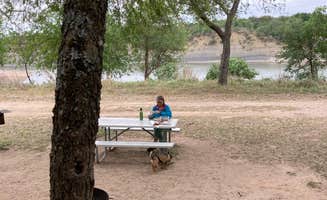
Waterfront access: Sites with lake views rank highest among camper preferences. "The sites along the outside of the loop have lake views and are level. The sites along the inside are scary unlevel!" warns Karen about Cedar Breaks Park. Water levels fluctuate seasonally, affecting swimming areas and boat ramps.
Wildlife viewing: The natural surroundings support diverse wildlife observation opportunities. "We were on a small bluff overlooking the lake. We had a trail from our spot to the lake which we took advantage of," explains Mark S. Morning and evening hours typically offer the best wildlife viewing when temperatures are cooler.
What you should know
Water access challenges: Despite proximity to water, access points can be limited. "While you are walking within site of Lake Georgetown, it is not always convenient to access the water. So carry plenty of water," advises Troy W. about Russell Park. Trails may appear close to water on maps but often lack direct access points.
Weekend crowds: Most campgrounds experience significant increases in visitors during weekends. "Expect the weekends to be super crowded, especially in the day use area (where the easiest accessible swimming spots are). During the week we had the park to ourselves," notes Mark S. Reservations should be made 2-3 months in advance for weekend camping during peak season.
Terrain and site leveling: Uneven terrain can present challenges, particularly for larger rigs. "The sites along the inside are scary unlevel! Some of the big rigs were backed in and jacked up 4 feet or so in front. Saw a lady break her ankle stepping out of her camper," cautions Karen H. Bringing additional leveling blocks is advisable.
Tips for camping with families
Swimming safety: When camping with children at spring-fed swimming areas, extra caution is necessary. "The ladder down is super wonky and the beach area extremely slippery," warns Faith S. about Krause Springs. Water shoes are strongly recommended, especially for children.
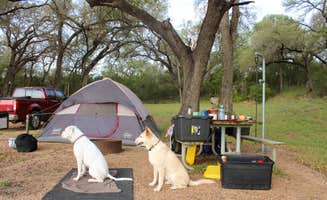
Primitive campsite options: Tejas Park offers excellent beginner-friendly primitive camping close to Georgetown. "This location is close enough to be near civilization, but feels remote to get the primitive camping experience. The sites have a pad to set up your tent, along with fire rings and plenty of shade," explains Steve L. about Tejas Park. Sites can accommodate multiple small tents.
Wildlife precautions: Families should be aware of potential wildlife encounters. "Watch out for RATTLESNAKES. We saw 2," warns Mark S. Teaching children appropriate wildlife safety is important, particularly during warmer months when snake activity increases.
Tips from RVers
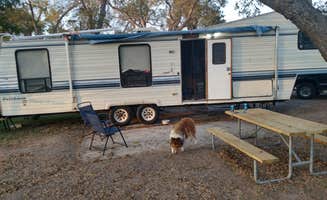
Site selection strategy: Electric and water hookups are available at many campgrounds but vary in quality and accessibility. "Grab a spot on the outer of the loop if possible," recommends Mark S. Sites along outer loops typically provide better views and more privacy than interior sites.
Low clearance awareness: RVers should be conscious of low-hanging branches when navigating campgrounds. "My only warning is low hanging trees everywhere. I couldn't imagine trying to navigate the campground in a 5th wheel or class A. You could do some rooftop damage," cautions Brandi W. about Krause Springs. Calling ahead to verify clearance for larger rigs is advisable.
Dump station locations: Plan for waste management as dump stations may not be conveniently located. "Dump station is at entrance of park and park is fairly large to haul a portable dump tank," notes Mocsaw $ about Jim Hogg - Lake Georgetown. Some campers use portable waste tanks rather than moving their entire rig.















 Guide
Guide


