












 Legend
Washington Crossing State Park - TEMP CLOSED FOR 2024
History and Camping with Revolutionary Limits
Washington Crossing Historic Park, straddling Pennsylvania and New Jersey along the Delaware River, is one of those rare places where you can literally camp in history. The Pennsylvania side is all about historic buildings, museums and picnic spots, while the New Jersey side (Washington Crossing State Park) offers organized group tent camping. This isn’t the place for a cushy RV getaway or individual tenters looking to sneak in for the night, but rather a structured, group-style camping steeped in Revolutionary War atmosphere. First impressions? More Boy Scout jamboree than weekend getaway, but if you’re here for camaraderie and heritage, you’ve hit the mark.
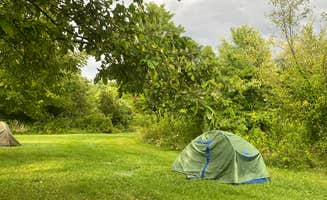
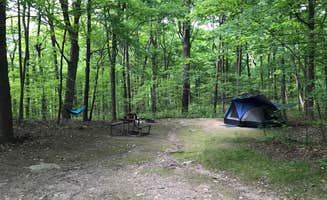
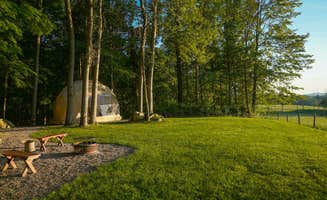
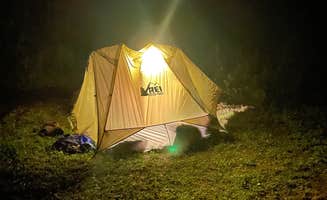
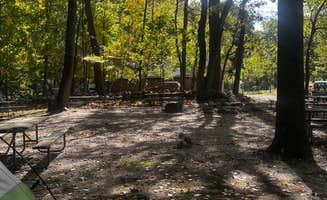
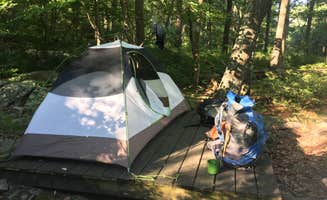
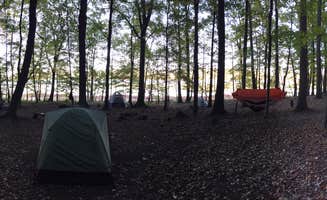
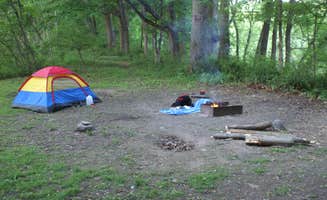
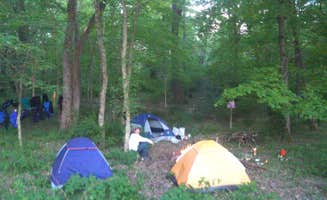
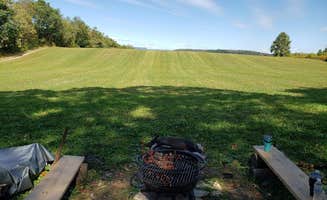
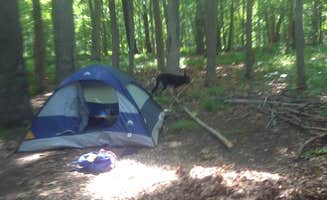
Facilities are deliberately minimal. On the Pennsylvania side, camping is limited to a handful of Scout-designated sites with portable toilets, no running water and zero frills. Across the river in New Jersey, the official group camping area provides open tent-only sites with no hookups, no pets and strict quiet hours. Think old-school camping: fire rings, pit toilets and a heavy dose of ‘leave no trace’ ethos. Reservations are required, permits are non-negotiable and the max stay tops out at 14 nights. What you do get is a wide, peaceful forest setting with plenty of space for tents, youth groups or scout troops along with the kind of simplicity that makes you feel like you’ve stepped back in time.
Beyond the tent pads, the surrounding parks are rich with history and outdoor options. On the Pennsylvania side, you’ll find the visitor center, historic McConkey’s Ferry Inn, Bowman’s Hill Tower, and interpretive programs that bring the Revolutionary War era to life. Picnic areas and a boat launch offer ways to enjoy the Delaware River. In New Jersey, miles of wooded trails lead you through rolling hills and historic landscapes, perfect for hiking and birdwatching. It’s a spot where history buffs, scouts and nature seekers can all find common ground.
Insider Tips? Here’s a handful: (1) The best group sites are the ones tucked furthest from the trailhead as (surprise, surprise) they’re quieter and offer more privacy; (2) Stock up before arriving, as there are no supply stores inside the park, so head on over to nearby Weis Markets in Langhorne or ShopRite in Fairless Hills, both of which are on the PA-side; (3) Be sure to bring all your own water as none is available onsite; (4) Kayakers should launch from the Pennsylvania side’s boat access for an iconic paddle on the Delaware River; (5) Visit the park’s historic reenactments, especially the Christmas Day Crossing event as it’s easily the most memorable history lesson you’ll ever get outdoors; and (6) When you’re done camping, fuel up at It’s Nutts Restaurant on the Jersey side in Titusville for classic diner-style comfort food or Francisco’s on the River for Italian fare with Delaware River views.
Happy Camping!


