Dispersed camping near Bethlehem, Pennsylvania offers opportunities for primitive overnight stays within the forested regions of eastern Pennsylvania and western New Jersey. The terrain varies from rocky ridgelines to dense forest, with elevations ranging from 400 to 1,600 feet throughout the region. Winter camping requires additional preparation as temperatures can drop below freezing from November through March, with snowfall affecting trail access.
What to do
Hike to scenic viewpoints: At Bake Oven Knob, campers can access both overnight parking and hiking trails leading to panoramic vistas. "The hike to the overlook is really lovely; short and rocky," notes one visitor who frequently uses the area for overnight stays.
Explore multiple trail systems: Thunder Swamp Trailhead provides access to extensive hiking networks. One camper reports, "Trailhead parking was chill for a night. No trouble. Tons of hiking. Went down Saw Creek trail to a marsh." The connecting trails form loops ranging from 2-8 miles through varied forest terrain.
Set up hammock camping: The tree cover at many sites creates ideal conditions for hammock setups. Several designated sites along the Appalachian Trail corridor feature mature hardwoods spaced appropriately for hammock suspension systems.
What campers like
Bear boxes at designated sites: Campers appreciate the security features at Appalachian Trail- Designated Backpacker Campsite 2. As one visitor notes, the site is "Well maintained w bear boxes provided. Good trees for hammocking." These metal storage containers reduce wildlife encounters and comply with regional bear safety regulations.
Balance of community and solitude: The designated campsites offer flexibility for social or private experiences. According to one backpacker, there's "plenty of space. We camped nearer to others but there are secluded spots too." This layout accommodates both group camping and those seeking isolation.
Convenient overnight parking: Several trailheads permit overnight vehicle stays. At Thunder Swamp Trailhead, campers report, "It's a gravel parking lot. Plenty of shade. No one bothered me." This makes these locations convenient for both car camping and basecamp operations for day hikes.
What you should know
Water availability limitations: Most dispersed sites near Bethlehem lack reliable water sources. Campers should carry sufficient water or research collection points before arrival. For sites near water features, filtering is essential as streams may contain contaminants.
Strict regulations on fires and alcohol: The majority of dispersed camping areas prohibit campfires and alcohol. These restrictions apply year-round and rangers actively patrol popular sites during peak seasons.
Parking constraints: At Bake Oven Knob, overnight vehicle stays are possible but space is limited. "There are two large lots. You can park and sleep, or hike in and find a place for a tent," explains a regular visitor. Weekends often see these lots filling by mid-afternoon.
Tips for camping with families
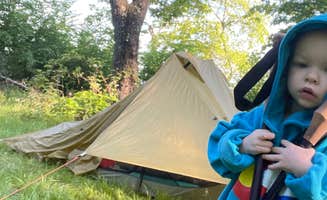
Choose sites with gradual terrain: Some backcountry sites feature challenging slopes unsuitable for family tents. Seek flatter areas when camping with children, particularly if using larger multi-person tents.
Pack additional water: The lack of potable water at dispersed sites means families must carry all drinking and cooking water. Calculate 1-2 gallons per person per day, especially during summer months.
Consider established campgrounds for amenities: Families requiring bathroom facilities should evaluate developed campgrounds instead of dispersed sites. Appalachian Trail Campsite and similar locations offer minimal facilities unsuitable for younger children.
Tips from RVers
Limited dispersed RV options: The region offers few suitable dispersed camping options for RVs larger than vans. Most areas require high-clearance vehicles or feature size restrictions.
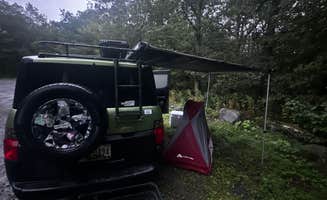
Overnight trailhead parking: Several trailheads permit overnight parking for smaller vehicles. One visitor to Thunder Swamp Trailhead mentions, "I've overnighted in my van here a bunch, no problems." These locations typically accommodate vans and small trailers only.
Scout sites during daylight: First-time visitors should arrive during daylight hours to assess parking surfaces and turnaround options. Many forest roads narrow unexpectedly or feature soft shoulders unsuitable for heavier vehicles.



 Scout
Scout


