Superior National Forest surrounds camping spots near Babbitt, Minnesota with deep pine forests across a terrain of glacial moraine where ancient volcanic bedrock forms the Vermilion Range. Elevations vary between 1,400-1,700 feet above sea level, creating rolling forested hills interspersed with wetlands and lakes. Temperatures can range from summer highs averaging 75-80°F to winter lows regularly reaching -30°F with annual snowfall exceeding 70 inches.
What to do
Kayaking and paddleboarding on Fall Lake: Multiple entry points provide access to calm waters ideal for beginners and experienced paddlers alike. At Fall Lake Campground, "We brought a canoe out and spent all day on the lake! I would recommend going to see Kawishiwi Falls nearby!" notes Anne G. Canoe rentals are available at the campground office for $20/day.
Mine tours at Soudan Mine: Located within Lake Vermillion-Soudan State Park, the historic mine offers underground educational experiences. "Soudan mine tours were awesome! Travel down in the mine and ride cars to see the way iron ore was mined in early 1900s," explains Sara P. Tours operate daily from Memorial Day through September with adult tickets costing $15.
Wildlife viewing at research centers: The town of Ely hosts educational facilities showcasing regional wildlife. "Don't miss the International Wolf Center, the North American Bear Center and the Dorothy Molter Museum. All are really interesting and definitely worth the price of admission," recommends Nancy W. from Superior National Forest Fall Lake Campground. Most centers operate year-round with reduced winter hours.
What campers like
Waterfront access: Many sites offer direct paths to lakes for swimming and fishing. At Birch Lake Campground, "The lake was gorgeous with little boat traffic as well. Sites were large, private, and spread out," shares Zack H. The campground maintains a boat launch suitable for small watercraft.
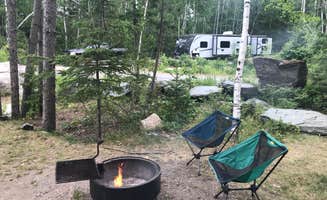
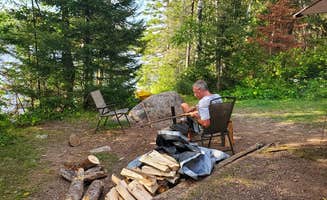
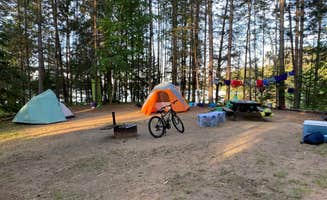
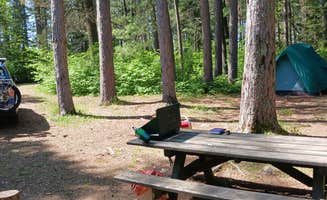
Site privacy: Mature forest growth creates natural barriers between camping areas. "The sites are pretty secluded and there are so many activities to do around Ely," writes Tegan C. about Fall Lake Campground. Most forested sites feature pine and birch trees providing shade and natural screens.
Wildlife encounters: Multiple reviewers mention wildlife sightings from their campsites. At South Kawishiwi River, "It is a nice park, and I can see that it is lots of fun when the weather is nice, you can kayak, canoe on the lake, and kids can run around," notes SmallRVLifestyle V. Common wildlife sightings include loons, eagles, deer, and occasionally moose in more remote areas.
What you should know
Reservation requirements: Most developed campgrounds require advance booking during peak season. "About half of the sites are reservable with the others being walk-ups. We booked three nights because we didn't want to drive the RV all the way up into the northwoods of Minnesota and not get a campsite," explains Nancy W. about Fall Lake Campground. Reservations typically open 120 days in advance.
Variable amenities: Facilities range from primitive to moderately developed. "The pit toilets were pretty clean and there were even hand sanitizer bottles outside for use. The well water available had a bit of an off smell and came out a little more yellow/brown than I prefer so I did not use it," reports DJ about Birch Lake Campground. Most rustic sites lack showers and electrical hookups.
Water considerations: Reviewers frequently comment on water quality and access across sites. At McDougal Lakes Campground, "Site number four has a trail that goes straight to the lake so you can take a dip or launch a kayak," notes Ryan T. Water spigots are available at some campgrounds, while others require campers to filter lake water or bring their own supply.
Tips for camping with families
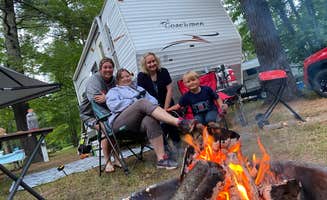
Beach access: Several campgrounds feature designated swimming areas. "There was a little beach and playground for kids. Lots of places to go for a walk and close to town!" shares Kara H. about Fall Lake Campground. Swimming areas generally lack lifeguards but offer gradual entry points.
Playground availability: Limited facilities exist for young children across the region. At Fisherman's Point City Campground, "It's kid friendly, lots of lake sites, playgrounds, and atv friendly!!" notes Jerime L. Most playground equipment is basic and suitable for children aged 5-12.
Wildlife education: Several facilities offer hands-on learning experiences. "If you can only visit one I would recommend the Bear Center as you get to see the animals more up close and the guided tour is very informative," suggests Makayla B. Programs typically last 1-2 hours and are suitable for school-aged children.
Tips from RVers
Limited hookup options: Most forest campgrounds offer partial hookups only. At Bear Head Lake State Park Campground, "We camped here in an RV and the only thing that could have made our experience better is if there were full hook-ups," explains Nancy W. Dump stations are available at select locations including the Ely Chamber of Commerce.
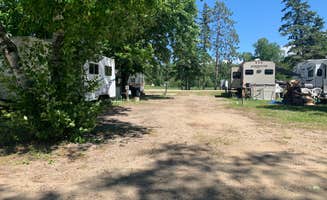
Site sizing considerations: Campgrounds vary in ability to accommodate larger rigs. "Site 15. Small set of steps brought you up to a magical place. The site was large enough for two tents. The fire pit has a grill rack attached to it," shares Heather M. about South Kawishiwi River Recreation Area. Most sites can accommodate units up to 35 feet, though corners and access roads may present challenges for larger vehicles.
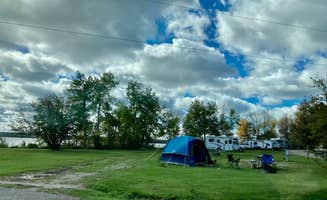
Electric site availability: Some campgrounds offer limited electric hookups. "We lucked into a first come site with electric and took it for the weekend," notes Teresa T. at South Kawishiwi River, adding "Very nice campground with access to the boundary waters." Most electric sites provide 30-amp service with 50-amp connections available at select locations.











 Guide
Guide


