Superior National Forest camping areas span over 3 million acres with an average elevation of 1,600 feet above sea level. The forest contains more than 2,000 lakes and rivers that provide paddling and fishing opportunities. Camping season typically runs May through October, with limited winter camping options available in certain areas.
What to do
Canoe the Boundary Waters: Fall Lake Campground serves as an entry point to the Boundary Waters Canoe Area (BWCA). "You can rent a canoe at the office which also includes the permit you need to go into the boundary waters. Lake has great fishing! Beautiful scenery all year round, but we enjoy the summer/fall months most," notes one camper at Superior National Forest Fall Lake Campground.
Visit wildlife centers: Within a short drive from most campgrounds, you'll find educational wildlife facilities. "Don't miss the International Wolf Center, the North American Bear Center and the Dorothy Molter Museum. All are really interesting and definitely worth the price of admission," shares a visitor who stayed at Fall Lake Campground.
Rock climbing: For experienced climbers, the Fernburg Trail area offers challenging routes. "If you are a rock climber, the cliffs at Ennis Lake are sought after by rock climbers all over the region who are up for the challenging hike in before even tackling the cliffs," according to a camper at Superior Forest Blackstone Lake Backpack Campsite.
What campers like
Private campsites: Many Superior National Forest campsites offer good separation between sites. At Bear Head Lake State Park Campground, "Campground is quite busy, but there is enough foliage in the summer to make it more private. Sites are good sizes and a good distance from each other."
Island camping: Unique island sites provide a wilderness experience with added security. "A friend of ours told us about the island campground here at Fall Lake! You canoe out to your island to camp on and if it doesn't get better then that I don't know lol," shares one camper. "The kids can run around (and so can the dogs) and no one can really get lost."
Clean facilities: Campgrounds maintain high standards for bathrooms and common areas. At South Kawishiwi River Recreation Area, one visitor noted, "There are spotless vault toilets, a dumpster, aluminum recycling and a very friendly camp host."
What you should know
Campground damage: Some areas have experienced weather-related changes. At Fenske Lake Campground, "Unfortunately, the campground sustained a lot of damage from a windstorm not long ago, and the recovery has been slow. Many of the tall old pines are gone now, so most of the campsites are no longer secluded from each other."
Seasonal closures: Most Superior National Forest campsites operate from May through mid-October. According to a reviewer, "The park will accommodate anything from tents to large RVs and is well worth a visit in our opinions. In fact, plan on staying the maximum two weeks."
Reservation options: Campgrounds offer both reservable and walk-in sites. "About half of the sites are reservable with the others being walk-ups. We booked three nights because we didn't want to drive the RV all the way up into the northwoods of Minnesota and not get a campsite," reports a visitor to Fall Lake.
Tips for camping with families
Swimming beaches: Designated swimming areas provide safe water access for children. At South Kawishiwi River, "There is a nice beach area that is not just 'beach' by name...there is actually sand and a place to swim without being tangled in weeds."
Playground access: Some campgrounds include play equipment for kids. "The campground was very nice and clean! Our campsite was spacious and hidden from the road. The bathrooms do have a lock on them so make sure you get the code from the host! There was a little beach and playground for kids," notes a Fall Lake Campground visitor.
Group sites for family gatherings: Larger shared spaces accommodate multiple families. "The park has two group camp areas that are ideal for multiple campers and are very private. They have their own bathhouse, pavilion, large grassy common area, grills, and water access," explains a camper.
Tips from RVers
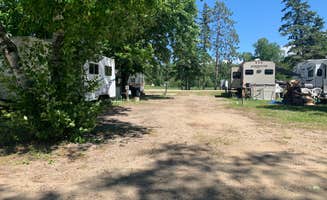
Electric hookups: Several campgrounds offer powered sites. "I spent two nights at site #13 which was an electric site with my RV. There is a mile-long hiking trail in the park which is a plus," shares a visitor to South Kawishiwi River Recreation Area.
Dump station locations: No on-site dumping at most campgrounds. "There is a water fill-up station by the camp office and a dump station in town at the Chamber of Commerce," notes one RVer.
Winter camping options: Bear Head Lake State Park offers year-round camping. "Camper cabins are nice. They have bunk type beds. The beds on bottom are FULL size (can sleep 2 each) and the ones on top are singles. So 6 could sleep here. There was a little table, electric heat and a small screened in porch."












 Traveler


