
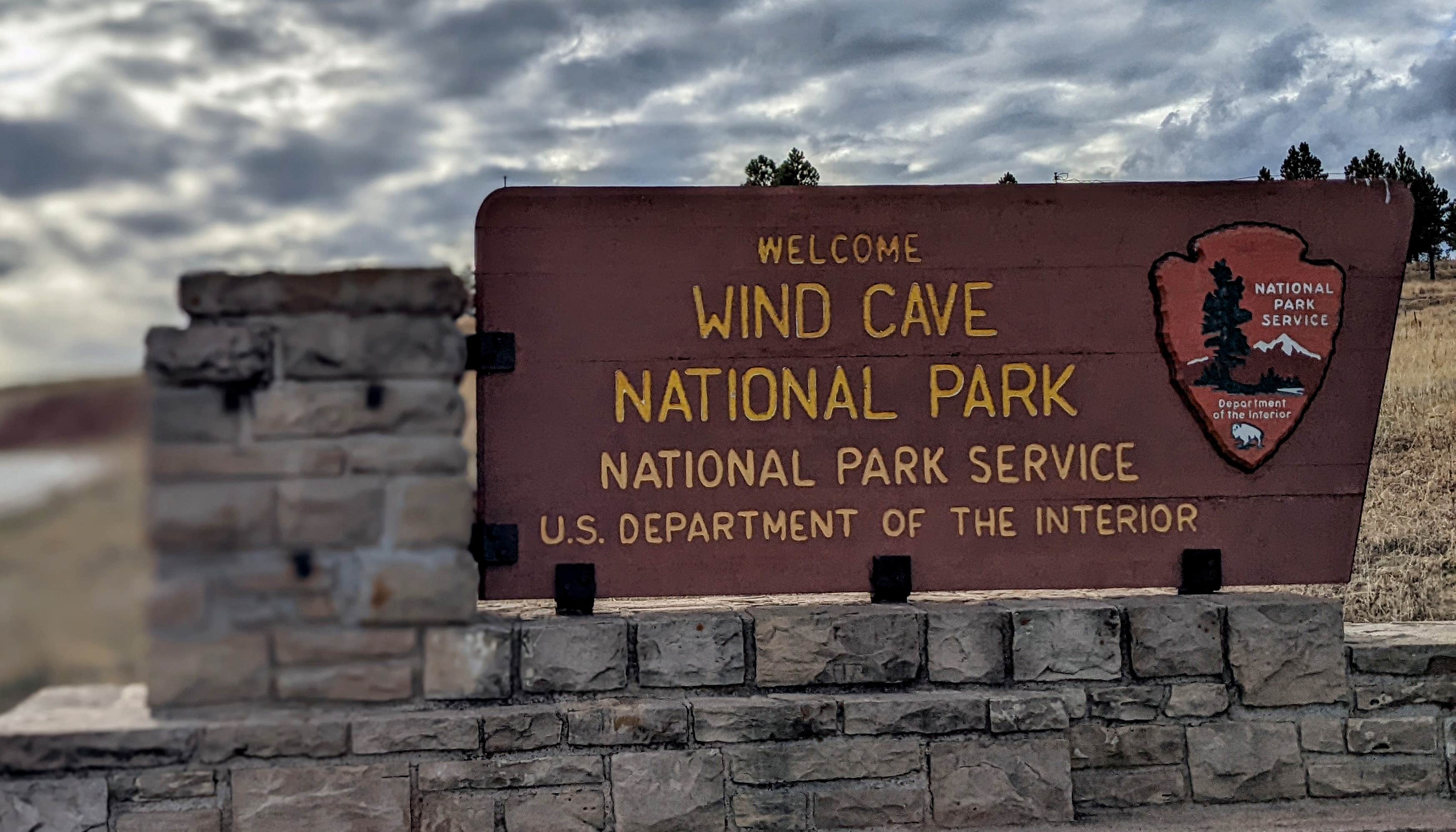
 Photo by Shari G.
Wind Cave National Park Camping Guide
Wind Cave National Park offers a unique camping experience amid rolling prairies, ponderosa forests, and one of the world's longest caves beneath your feet. With just one developed campground inside the park and many more options nearby in the Black Hills, campers can find solitude, dark night skies, abundant wildlife, and easy access to cave tours and hiking trails. Unlike many national parks, Wind Cave has no entrance fee, making it an affordable destination for underground wonders and surface landscapes above. The park's location in the southern Black Hills means each camping area provides different access points: cave tours from the visitor center, bison viewing across the prairies, or hiking trails through ponderosa pine forests. This guide covers everything you need to know about planning, booking, and enjoying a Wind Cave National Park camping trip, with practical advice from campers who've been there. Beyond the in-park options, you can also find South Dakota camping across the state's varied landscapes.
Wind Cave National Park Camping at a Glance
All camping within Wind Cave National Park centers around Elk Mountain Campground, a quiet 63-site campground near the visitor center. This campground now accepts reservations (via Recreation.gov) during peak season, with a 6-month rolling booking window. Even in mid-summer, Elk Mountain rarely fills to capacity, offering a good chance of last-minute space on most nights. From October through mid-May, parts of Elk Mountain Campground remain open on a first-come, first-served basis, albeit without water in the winter. There are no RV hookups in the park, and generators are permitted only during daytime hours, so prepare for basic camping conditions. Check out the Elk Mountain Campground gallery to see photos from other campers.
Campsites cost around $24 per night in summer (half price in the off-season when water is off) and include picnic tables, fire rings, and access to vault or flush toilets (seasonally). Warm days and cool nights are typical here: even July nights can dip into the 50s degrees F, so pack accordingly. The park's elevation (approximately 4,000-5,000 feet) means weather can change quickly, with occasional summer thunderstorms and winter snow.
Wildlife is a hallmark of camping at Wind Cave - you're likely to see bison grazing in the distance or wandering near the campground, plus prairie dogs, pronghorn, elk, and wild turkeys. Always keep a safe distance (at least 25 yards from large animals) and secure food to avoid attracting smaller critters. Unlike some western parks, bears are not present here, which simplifies food storage, but the prairie ecosystem brings its own precautions (like watching for rattlesnakes in grassy areas and checking for ticks).
Wind Cave National Park Campground Quick Facts
| Quick Facts | Details |
|---|---|
| Number of Campgrounds | 1 in-park (Elk Mountain Campground, 63 sites); plus numerous options in nearby Custer State Park and Black Hills National Forest |
| Campsite Costs | $24/night standard site (May-Sep with water); $12/night off-season (Oct-Apr, no water). Half-price for Senior/Access passholders. Nearby state park campgrounds ~$22-$30/night; private campgrounds $30-$60/night |
| Reservation Platforms | Recreation.gov for Elk Mountain (6-month rolling window); South Dakota state parks (Custer SP) via campsd.com (reservations up to 1 year in advance); private campgrounds via their own websites/phone |
| Camping Season | Elk Mountain open year-round (loops A, C, D closed Oct-mid May; loop B open winter with no water). Custer SP campgrounds generally open April or May through mid-fall (Game Lodge opens Apr 1). Winter camping available at some private or national forest sites. |
| Temperature Ranges | Summer: 80-90 degrees F days, 50-60 degrees F nights Spring/Fall: 50-70 degrees F days, 25-45 degrees F nights Winter: 30-45 degrees F days, 10-25 degrees F nights (with occasional subzero cold snaps) |
| 2025 Updates | Elk Mountain Campground now requires reservations for peak season (was previously first-come). Winter 2025-26: Loops A, C and D closed for the season (Oct-Apr); loop B open with vault toilet and water at visitor center. Cave tour reservations available online up to 120 days out (new system to reduce wait lines). |
Wind Cave Campgrounds: Complete Guide
In-Park Campground - Elk Mountain Campground
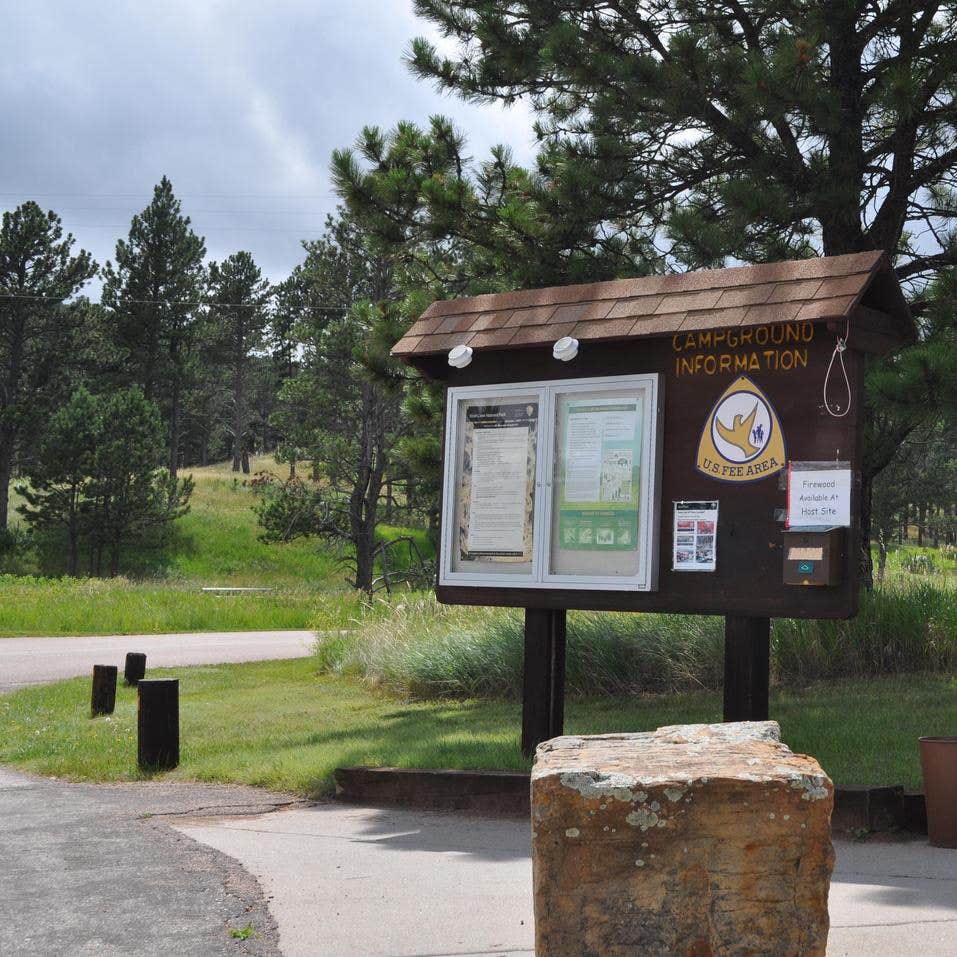
Elk Mountain Campground — Wind Cave National Park
Elk Mountain Campground is the sole campground inside Wind Cave National Park, offering 63 sites along a ponderosa pine forest at 4,000 feet elevation. Open year-round, the campground provides picnic tables, fire rings, and seasonal flush toilets (vault toilets in winter). No hookups are available, but potable water is offered spring through fall. Sites accommodate tents and RVs up to 35 feet, though the atmosphere is quiet and more primitive than large RV parks. Reservations are available on Recreation.gov from spring through fall (6 months in advance), with first-come, first-served camping in the off-season. Wildlife is abundant - bison and elk often roam nearby - and an evening ranger program is hosted in the amphitheater during summer. Campers appreciate the dark night skies and peaceful setting; even in peak season the campground rarely fills completely, providing a good chance for last-minute campers to find a spot.
Campgrounds Near Wind Cave National Park
Several excellent campgrounds in the surrounding Black Hills National Forest offer alternative or overflow options, each with their own appeal. Custer State Park, immediately north of Wind Cave, contains multiple developed campgrounds with amenities like showers and electrical hookups. Additionally, private campgrounds near the town of Pringle and Custer provide full hookups, cabins, and family-friendly facilities. Below are some top-reviewed nearby campgrounds:
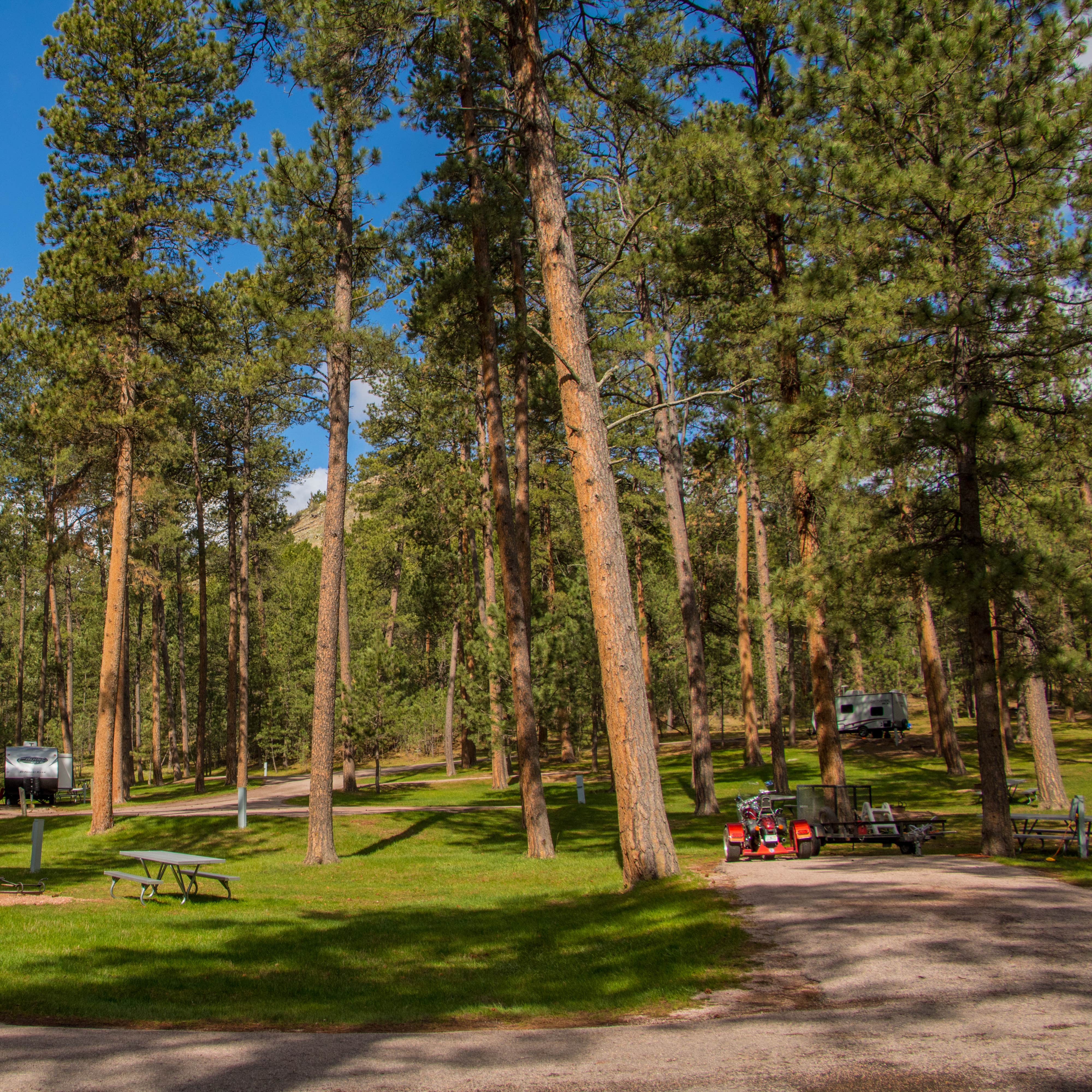
Blue Bell Campground — Custer State Park
Blue Bell Campground (Custer State Park) - Located approximately 11 miles north of Wind Cave's entrance, Blue Bell Campground offers around 30 campsites amid ponderosa pines near the Blue Bell Lodge. Sites are suitable for tents and RVs (some with electric hookups) and come with picnic tables and fire grates. Modern restrooms with showers are on site. Campers love the quiet, pine-scented atmosphere and easy access to Custer's Wildlife Loop Road for bison viewing. Reservations are available through the state park system, and a park entrance license is required for Custer SP.
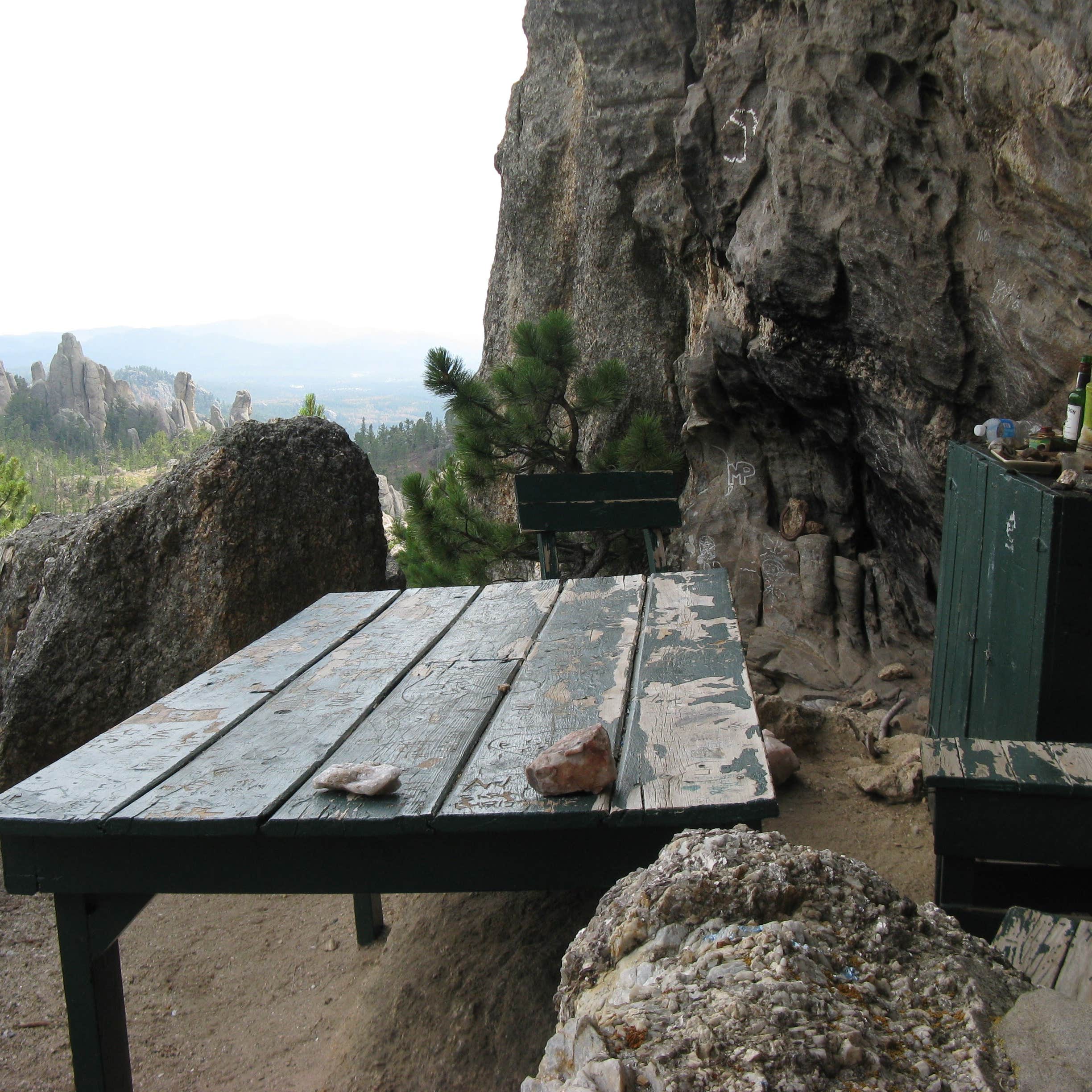
Game Lodge Campground — Custer State Park
Game Lodge Campground (Custer State Park) - Situated on the east side of Custer SP (about 14 miles from Wind Cave), Game Lodge Campground features 59 campsites along Grace Coolidge Creek, plus camping cabins. This campground has full amenities: flush toilets, hot showers, a playground, and a dump station. It's adjacent to the State Game Lodge and near the park Visitor Center. Sites range from sunny spots by the creek to shaded spots under oak and pine trees. Campers enjoy the easy access to the Wildlife Loop and paved bike path. Reservations through campsd.com are recommended for the busy summer months.
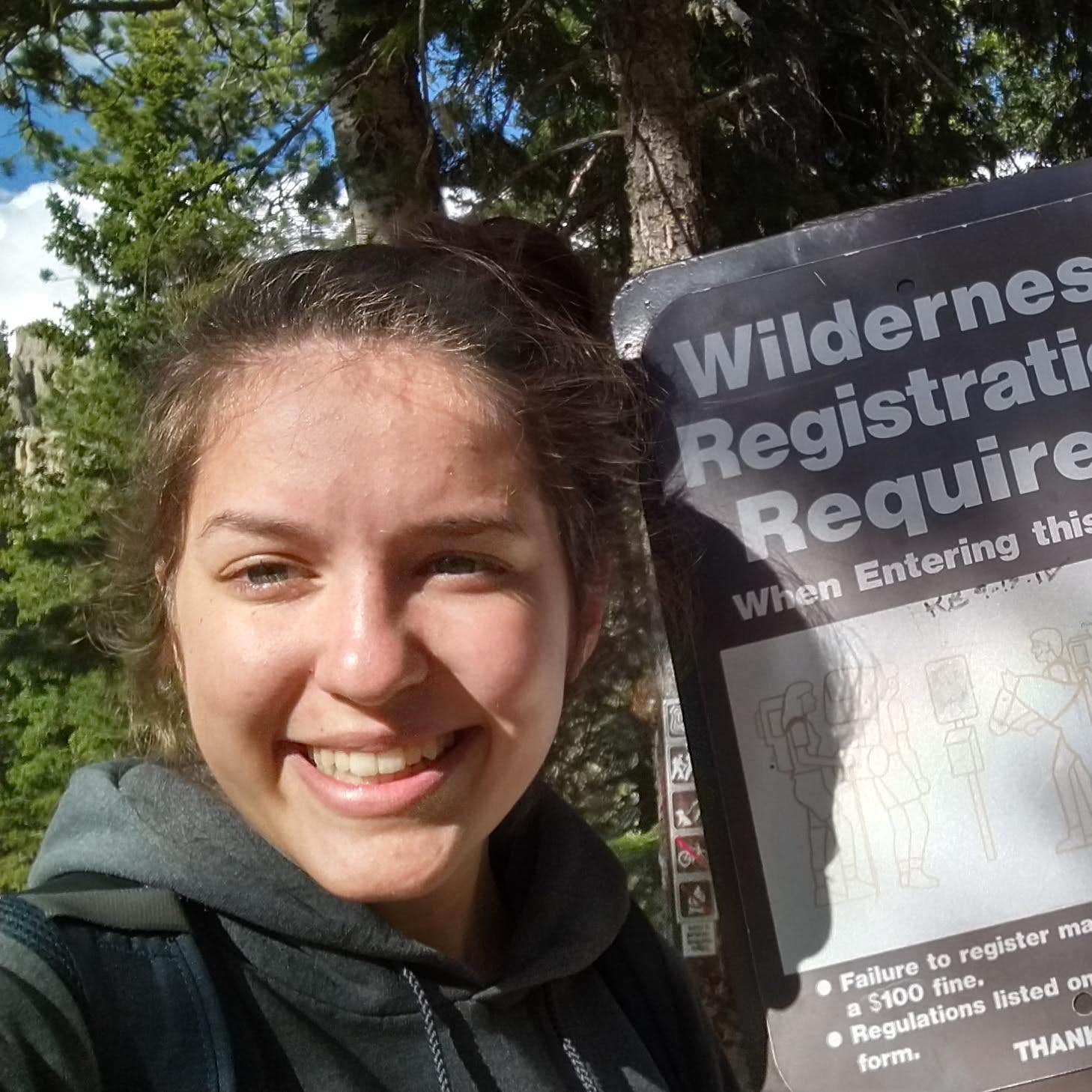
Sylvan Lake Campground — Custer State Park
Sylvan Lake Campground (Custer State Park) - Tucked near Sylvan Lake (about 20 miles from Wind Cave), this 39-site campground is a favorite for its beautiful setting at 6,200 feet elevation. Sites are well shaded by spruce and pine, and the campground has modern restrooms with showers. Sylvan Lake (a short walk away) offers swimming, canoeing, and the trailhead to Black Elk Peak. The campground's elevation means cooler nights - a nice respite in mid-summer. Campers rave about the beauty of the lake and granite spires. Reservations are available (and often necessary in summer) via the state park reservation system.
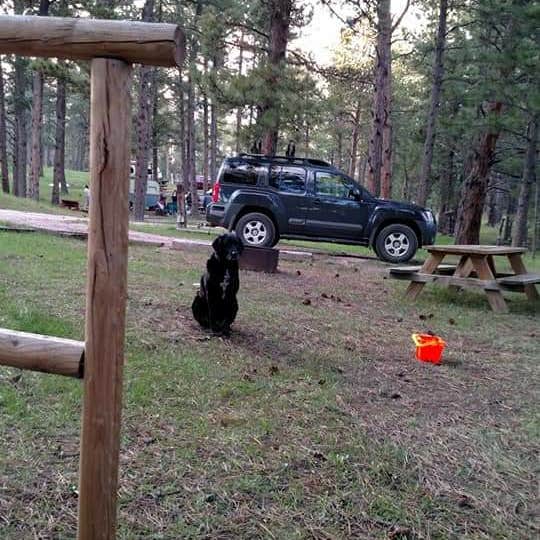
Fort Welikit Family Campground and RV Park
Fort Welikit Family Campground (Private) - Located just 1 mile north of Custer, SD, and approximately 16 miles from Wind Cave, Fort Welikit is a privately owned campground with about 100 sites (tent and RV) plus cabins and even a few covered wagon rentals. It offers full hookups, clean bathhouses, Wi-Fi, a playground, and a dog park - making it very family- and pet-friendly. Set in a wooded area off the highway, it provides a quiet base for exploring the Black Hills. Campers praise the friendly owners and well-maintained facilities. Reservations can be made online or by phone, and this campground is open April through October (weather permitting).
Campground Comparison Table
| Campground | Location & Sites | Cost & Reservations |
|---|---|---|
| Elk Mountain | Inside Wind Cave NP 63 sites (tent & small RV) | $24/night (summer); $12 off-season Recreation.gov (6 months in advance) |
| Blue Bell (Custer SP) | Southern Custer State Park 30 sites (tent/RV, some electric) | $26/night + park entry fee Reserve via campsd.com (state parks) |
| Game Lodge (Custer SP) | East Custer SP (near Hwy 16A) 59 sites + 11 cabins | $26-$30/night (sites); cabins $55+ Reserve via campsd.com |
| Sylvan Lake (Custer SP) | NW Custer SP (Sylvan Lake area) 39 sites (tent/RV) | $24-$28/night + park entry fee Reserve via campsd.com |
| Fort Welikit (Private) | Custer, SD (5 min from town) 100+ sites (full hookups, cabins) | $30-$60/night (varies by site/cabin) Book via campground website/phone |
Campground Amenities and Best Uses
Elk Mountain (In-Park): Best for national park immersion and easy access to cave tours and park trails. It's a quiet, no-frills campground ideal for tent camping near Wind Cave and smaller RVs who don't need hookups. The atmosphere is peaceful, with evenings often featuring ranger talks at the amphitheater. Star gazing is excellent due to minimal light pollution. Be prepared for a basic stay - bring your own firewood (or purchase at the visitor center) and water storage if visiting in winter when taps are off. For more glamping options near Wind Cave, check out private campgrounds in the area. Additional camping options in the Black Hills include glamping near Philip for unique accommodations.
Custer State Park Campgrounds: These are great for campers looking for more amenities while still being close to Wind Cave. Blue Bell is known for its cozy, forested feel and proximity to horseback riding at Blue Bell Stables - perfect for families. Game Lodge campground offers the most conveniences (showers, playground, nearby restaurant at the lodge) and works well for RV camping near Wind Cave with some electric hookups; it's very central for touring Custer's wildlife loop and Needles Highway. Sylvan Lake campground is a favorite for hikers and sightseers - it positions you at the trailheads for Black Elk Peak and the dramatic Sylvan Lake shoreline; expect cooler nights at this higher elevation. All Custer SP sites require a park entrance fee (currently $20/vehicle for 7 days or $36 annual), and reservations open 1 year out - they fill up fast for summer weekends. If you're looking for cabin rentals near Wind Cave, several private campgrounds in the area offer them, including the Summit Ridge Lookout Cabin for a unique experience.
Private Campgrounds and Dispersed Camping: Private options like Fort Welikit offer full hookups, Wi-Fi, and other comforts - a good choice if you have a big RV or want hot showers and perhaps a laundry facility. They also serve as a convenient base for both Wind Cave and nearby attractions (Mount Rushmore is approximately 30 minutes north). For the adventurous on a tight budget, dispersed camping near Wind Cave in the surrounding National Forest/Grassland (such as Buffalo Gap National Grassland) is free and allows solitude - experienced campers often use sites like North Pole Road, Cold Springs School Road, or Cicero Peak just outside the park. These have no facilities, so follow Leave No Trace and come fully self-sufficient. Dispersed spots can be quiet and offer great views, but always check fire restrictions and verify you're on public land.
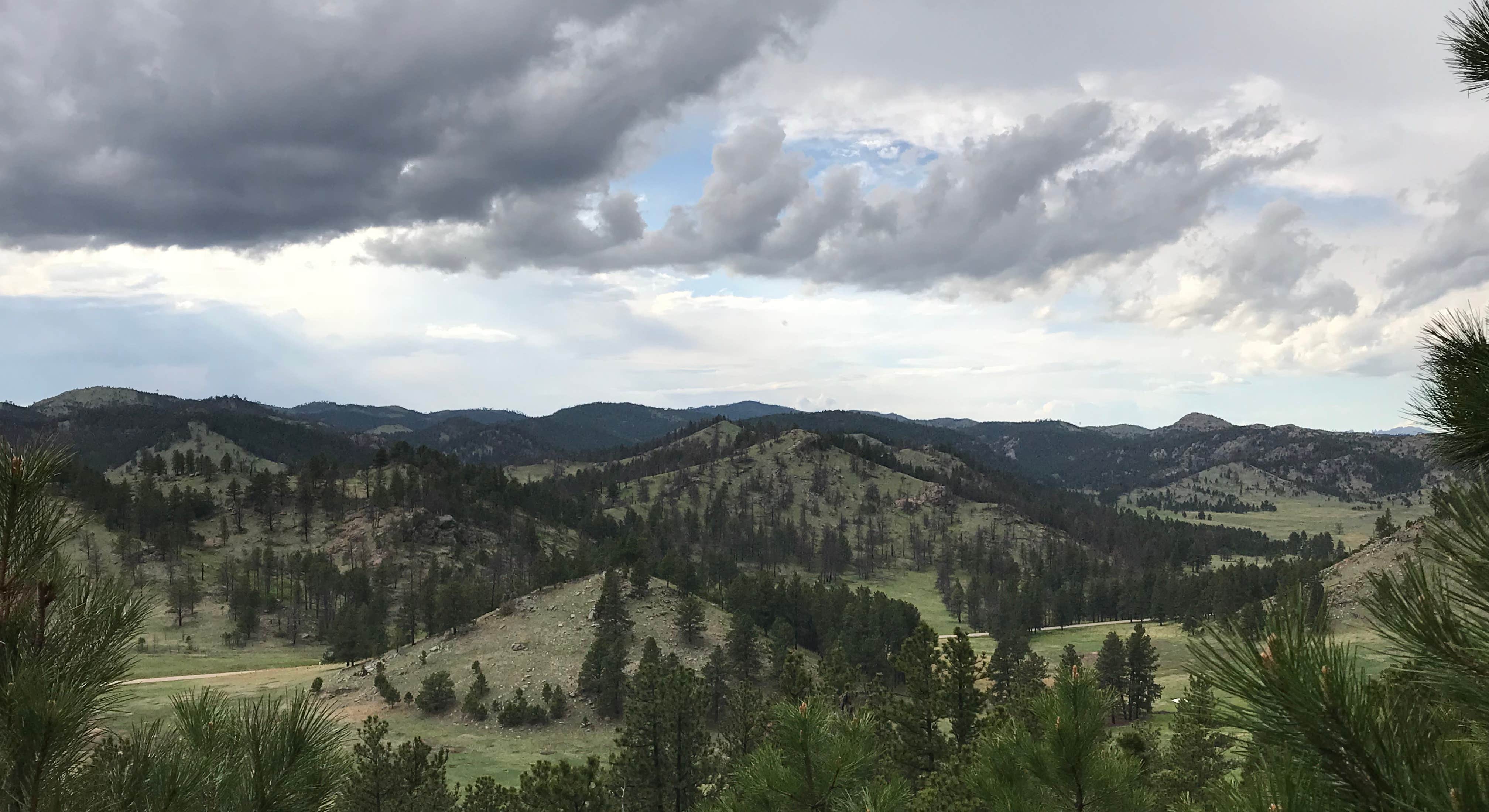 Photo by Kim N
Planning Your Wind Cave Camping Trip 
When to Visit Wind Cave
| Season | Temperatures | Camping Conditions |
|---|---|---|
| Spring (April-May) | Days: 50s-70 degrees F Nights: 25-45 degrees F | Water typically on by mid-April Calving season for bison and elk Variable weather, light crowds |
| Summer (June-August) | Days: 80-90 degrees F Nights: 50-60 degrees F | All facilities open Cave tours at full capacity Afternoon thunderstorms common |
| Fall (September-October) | Days: 50s-70 degrees F Nights: 25-45 degrees F | Elk rut in September Water shut off mid-October Crowds thin after Labor Day |
| Winter (November-March) | Days: 30-45 degrees F Nights: 10-25 degrees F | Loop B only (no water) Limited cave tours True solitude for hardy campers |
Spring (April-May):
Spring brings a gradual warm-up and the return of wildlife activity. April can be cool and windy (highs in the 50s-60s degrees F, lows in the 30s degrees F), with green grass emerging on the prairies. By May, daytime temperatures reach the 60s-70s and prairie wildflowers begin to bloom. This is calving season for bison and elk - you might spot red dog bison calves or elk calves in late spring. All park roads and trails are usually open by April, though heavy spring rains can make dirt roads muddy. The Elk Mountain Campground water is typically turned on by mid-April. Crowds remain light in spring, making it a peaceful time to visit, but be prepared for variable weather - sunny mild days can be followed by chilly nights or the odd late snow flurry. Spring cave tours run on a reduced schedule (often fewer tours in early April), but increase by Memorial Day. Memorial Day weekend itself sees a small uptick in visitors, but nothing like the crowds of larger parks.
Summer (June-August):
Summer is the peak season for Wind Cave. Daytime highs range from the upper 70s to upper 80s degrees F (occasionally hitting 90 degrees F in July), while nights are comfortable in the 50s. All facilities are open, and cave tours operate at full capacity - reservations for popular tour times (late morning and early afternoon) are highly recommended in summer as they often sell out. Afternoon thunderstorms are common, especially in July and August, bringing brief downpours or lightning, so plan hikes for early in the day and bring rain gear. The prairie grasses turn golden and the wildlife viewing is excellent: bison herd in larger groups, prairie dog towns are active, and pronghorn roam the grasslands. Elk Mountain Campground is usually only about half full even in mid-summer, providing a good chance for spontaneous campers to find a spot on weekdays (weekends can be busier with local campers). Still, it's wise to reserve ahead if you have a specific site or date in mind. Aside from cave tours, summer offers ranger-led surface walks and nightly amphitheater programs. Do note that fire bans can occur in late summer if conditions are dry, restricting campfires (always check current fire conditions upon arrival).
Fall (September-October):
Early fall is a fantastic time to camp in Wind Cave. September days are often sunny and mild (60s-70s degrees F) with crisp nights in the 40s. The park's mix of ponderosa forest and prairie doesn't produce dramatic leaf color like some areas, but the cottonwood trees in nearby Custer State Park turn yellow by late September and the hillsides take on warm autumn hues. Wildlife activity is high - September brings the elk rut, and you may hear bulls bugling at dawn and dusk in forested parts of the park. Bison are active and often visible from the roads. Crowds thin out after Labor Day; it's not uncommon to have much of the campground or a cave tour group to yourself on weekdays. By October, daytime highs drop to the 50s degrees F and nights to freezing or below. The water in Elk Mountain Campground is usually shut off around mid-October to prevent pipe freeze, and flush restrooms close (vault toilets remain available). Cave tour frequency is reduced in fall, but at least one tour runs daily year-round. Pack warm layers - autumn weather can swing from summery in early September to wintery by late October (light snow is possible in October).
Winter (November-March):
Winter is the quietest time at Wind Cave, offering true solitude for hardy campers. The campground's loop B remains open through winter with about 20 sites, but services are limited to a vault toilet and no running water (bring water or fill up at the visitor center during the day). Winter days can be beautiful - clear and cold, with highs in the 30s-40s degrees F - and the prairie occasionally blanketed by a light snow that crunches underfoot. Nights frequently drop into the teens or single digits. You'll want a four-season tent or RV and a very warm sleeping system to camp comfortably. The reward is a campground that you might have entirely to yourself and incredibly bright stars on long winter nights. All park roads generally remain open (Wind Cave doesn't get heavy snowpack, and what falls usually melts within a few days), though temporary closures can occur during snowstorms until plows clear the highways. Cave tours continue in winter on a limited schedule, typically one Natural Entrance Tour daily (except Thanksgiving, Christmas, and New Year's Day when the visitor center is closed). Wildlife still roam the park - bison often concentrate in sunny open areas and prairie dogs pop up on warmer afternoons. Always check at the visitor center for the day's cave tour times and any weather advisories. If you plan to go beyond the park, note that some Black Hills attractions and higher elevation roads (like the Needles Highway in Custer SP) close in winter.
Wind Cave Reservation Systems Explained
Campground Reservations: For Elk Mountain Campground inside the park, reservations open 6 months in advance on Recreation.gov (rolling window). If you aim to camp during June-August or around holiday weekends, try to book as soon as that window opens (slots become available at 8 AM Mountain Time). That said, Wind Cave's campground doesn't fill as rapidly as those in busier parks - even a few weeks out or day-of, you can often snag a site, especially on weekdays. From mid-October through mid-May, Elk Mountain is first-come, first-served (loop B only), and generally plenty of sites are available.
For Custer State Park campgrounds (like Blue Bell, Game Lodge, and Sylvan Lake), reservations are handled through the South Dakota State Parks system (at campsd.com). These can be booked up to 1 year in advance, and popular summer dates fill quickly - for example, sites at Sylvan Lake for July might be fully booked by winter. If you miss out, watch for cancellations or try less-busy campgrounds in the park. Note that camping in Custer SP requires purchasing a park entrance license ($20 per vehicle for 7 days or $36 for an annual pass).
For private campgrounds, such as Fort Welikit, reservations can typically be made via their website or phone. These campgrounds usually have more availability on short notice (except perhaps during major holidays or the Sturgis Rally in early August, when regional demand spikes). It's still a good idea to call ahead, especially if you need full hookups or have a larger RV.
Backcountry Camping: Wind Cave National Park allows backcountry camping with a free permit, providing an option if you want solitude. Permits are available at the visitor center during business hours. There are no designated backcountry sites - camping is dispersed, and you must hike at least 0.5 mile from any road and out of sight of trails. Water is extremely scarce in the park's backcountry, so you must carry all you need. The permit comes with guidelines (e.g. campfires are prohibited in backcountry, and you should practice Leave No Trace). Backcountry use is light, so you may have the prairie to yourself; just be prepared for changing weather and bison wandering through (give them a wide berth).
Cave Tours: If exploring the cave is a priority (and it should be!), consider reserving your Wind Cave tour tickets in advance. The park offers several tour types; the Natural Entrance and Fairgrounds Tours are most popular. As of 2025, many tour tickets can be booked on Recreation.gov up to 120 days out, while some tickets are also sold same-day at the visitor center on a first-come basis. Summer and fall weekends often see tours fill up by midday, so a reservation guarantees your spot. For the special Wild Cave (crawling) and Candlelight Tours, phone reservations are required and group size is limited. If you didn't reserve online, try to arrive at the visitor center early in the morning to get same-day tour tickets - and have a second-choice tour time in mind if your first choice is sold out. For more information about cave tours and camping nearby, check out The Dyrt's guide to cave destinations.
Campground Costs and Budgeting
| Expense Category | Cost Range | Details |
|---|---|---|
| Elk Mountain Campground | $12-$24/night | $24 summer (with water); $12 off-season (no water) Half-price with Senior/Access Pass |
| Custer State Park Sites | $22-$30/night | Plus $20/vehicle park entry (7 days) or $36 annual |
| Private Campgrounds | $30-$60/night | Varies by hookups and accommodations |
| Cave Tours | $16-$45/person | Standard tours are approximately $16 adult; Wild Cave Tour about $45 |
Additional Fees and Budget Tips
Park Entrance Fees: Wind Cave does not charge an entry fee, but if you plan to visit adjacent Custer State Park (highly recommended), remember that Custer does have an entrance fee (currently $20 per vehicle for a 7-day pass). Also, if visiting other nearby parks (e.g., Badlands National Park or Mount Rushmore has a parking fee), budget accordingly. The federal America the Beautiful Pass ($80 yearly) covers Badlands and other national park service sites, but not state parks like Custer.
Campsite Fees: As noted, Elk Mountain is $24 or less per night - a great value. State park campgrounds run about $22-$30 per night; they offer hot showers and flush toilets which can be worth the few extra dollars for some comfort. Private campgrounds range widely ($30-$60) depending on hookups and accommodations (simple tent site vs. full-hookup RV site vs. cabin). If you're on a tight budget, consider splitting the cost with friends or family, as most sites allow 2 vehicles or up to 6 people on one site.
Cave Tour Fees: Cave tour tickets are typically $16 per adult for the standard tour (half price for ages 6-15, seniors, etc., and free for children under 6 on the short Garden of Eden tour). Specialty tours like the Wild Cave Tour are more ($45 per person). Plan for these in your budget. Note that National Park passes do not cover cave tour fees since these are considered guided services.
Firewood and Ice: Collecting firewood is not permitted in the park or Custer SP, so you'll need to buy it locally. Firewood is sold at the Wind Cave visitor center and at Custer State Park resorts/store areas for about $6-$8 per bundle. Ice for coolers can be bought in Hot Springs or Custer (roughly $3-$5 a bag). It's wise to stock up on both when you're in town.
Showers: If you're camping at Elk Mountain (which has no showers), you can get a hot shower at the Custer State Park campgrounds or in Hot Springs. For example, Game Lodge Campground has coin-operated showers available to non-guests for a small fee (around $4). Evans Plunge Mineral Pool in Hot Springs also offers day-use soaking and showers (entry approximately $14, which might be a nice splurge on a rest day). If heading north toward Rapid City, additional campgrounds with shower facilities are available.
Budget Tip: Wind Cave and Custer offer some free ranger programs and activities - take advantage of these for entertainment that doesn't cost extra. Also, consider mixing in a few nights of free dispersed camping in the Black Hills on Forest Service land if you have the gear for self-sufficiency - one or two nights off-grid can offset the cost of a night at a private campground with showers. Nearby options include Grizzly Creek Primitive camping and Rifle Pit Campground dispersed sites. Lastly, visiting in the shoulder seasons (spring or fall) can save money: campsite fees are lower off-season, and local lodging or activities may offer discounts compared to peak summer.
Essential Gear for Wind Cave Camping
Packing the right gear will keep you comfortable during the variable weather of the Black Hills and prepared for both above and below ground adventures.
Sleeping Gear:
- Quality Tent with Stakes: Sudden prairie winds can come up, so a sturdy tent (with a full rainfly) that can be staked down is important. Even if weather looks dry, stake your tent - gusts can happen anytime.
- Warm Sleeping Bag: Nights are cool year-round. A bag rated to 20 degrees F is a safe bet for spring through fall. In summer a lighter bag might suffice, but always err on the side of warmth (you can unzip if hot). For winter camping, you'll need a much lower-rated bag (0 degrees F or better) plus extra blankets.
- Sleeping Pad: The ground at Elk Mountain is mostly grassy dirt with some pine needles - not terribly rocky, but a good insulated pad will provide comfort and warmth (aim for R-value 3+ for spring/fall).
Kitchen Setup:
- Camp Stove and Fuel: Campfires are allowed (when fire danger is low) but a propane or white gas stove is more reliable for daily cooking - wind can make campfire cooking tough.
- Cooler: A medium or large cooler is essential for storing perishables since summer temps can get warm. Block ice or frozen water jugs last longer than cube ice.
- Water Containers: Drinking water is available at the visitor center and campground pump (seasonally), but having extra jugs (e.g. a 5-gallon water container) is useful so you don't have to refill frequently.
Clothing:
- Layered Clothing System: Weather can swing drastically. Pack moisture-wicking base layers, a warm fleece or insulated jacket for evenings, and a waterproof/windproof outer shell.
- Comfortable Hiking Shoes/Boots: There are over 30 miles of trails in the park and many more in the Black Hills. Sturdy shoes or lightweight hiking boots with good traction will serve you well.
- Cave Tour Clothes: The cave is 54 degrees F year-round. You'll want a light jacket or sweatshirt when you go underground, even on a hot day. Also, Wind Cave's tours involve lots of stairs - wear shoes with decent grip (avoid flip-flops).
Other Essentials:
- Headlamp or Flashlight: The campground is very dark at night (great for stars, tricky for walking). A headlamp is invaluable for navigating to the restroom at night or setting up after dark.
- First Aid Kit: Include bandages, antiseptic, moleskin for blisters, tweezers (for splinters or ticks), any personal medications, and pain reliever.
- Sun Protection: The combination of prairie sun and higher elevation means UV is strong. Pack broad-spectrum sunscreen (SPF 30+), lip balm with SPF, and sunglasses.
- Insect Repellent: Ticks are present in grassy areas, especially in spring and early summer. Use insect repellent on shoes and legs when hiking through tall grass or sagebrush.
- Binoculars: Optional but great for wildlife watching. You'll appreciate binoculars for spotting bison on distant hills, elk on forest edges at dusk, or even examining the birds and prairie dogs up close without disturbing them.
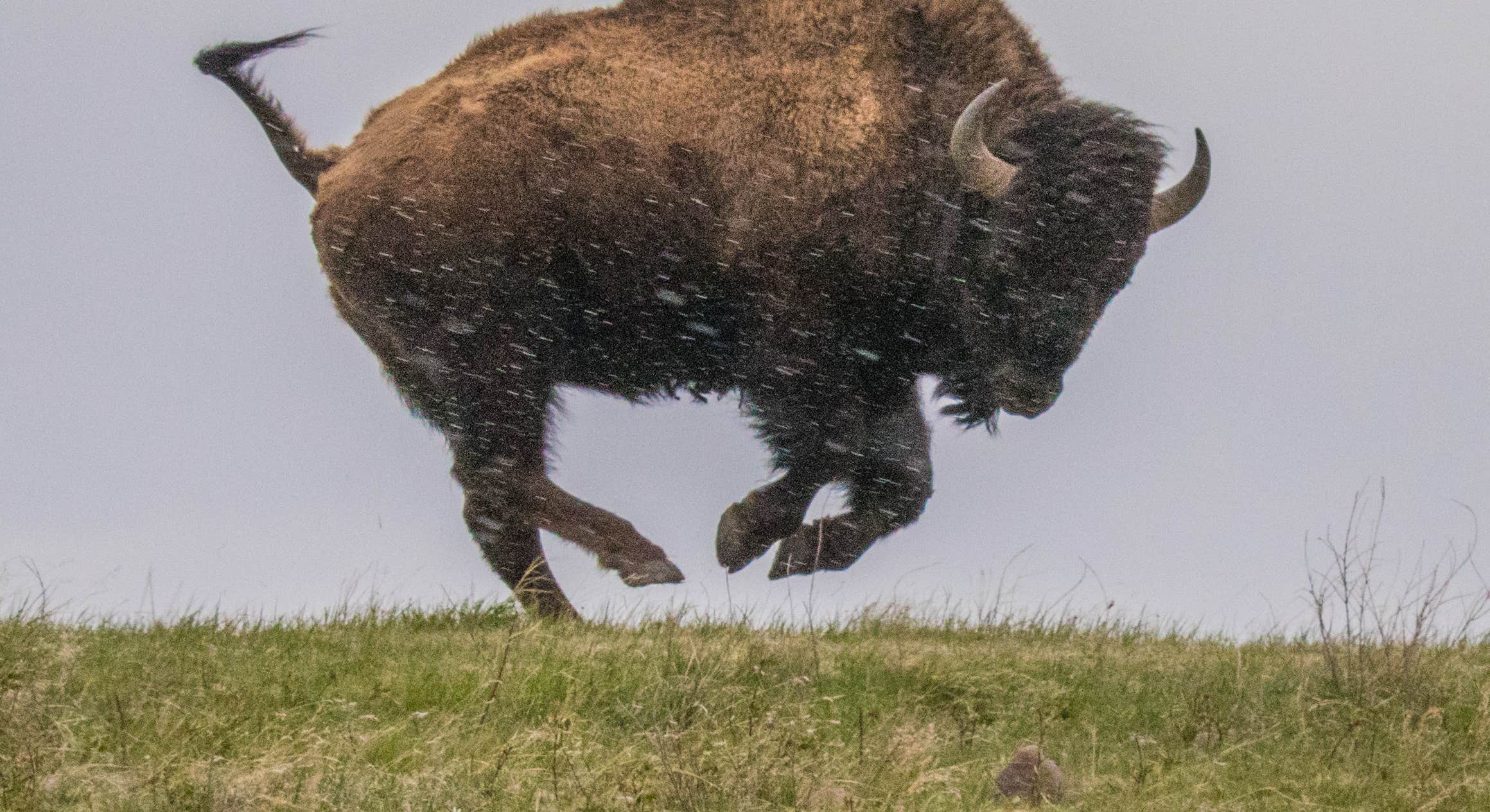 Photo by Shari G
Wildlife Safety and Park Regulations 
Bison, Elk, and Wildlife Safety
Wind Cave is home to a free-roaming herd of bison (buffalo), plus elk, pronghorn (antelope), deer, coyotes, prairie dogs, and many smaller creatures. Unlike in some parks, these large animals often venture near campsites or along trails, so it's crucial to give them space.
Always stay at least 25 yards (75 feet) from bison, elk, and other large animals - if you're so close that they notice or change behavior, you're too close. Do not approach wildlife; use binoculars or a zoom lens for a closer look. Bison may seem calm while grazing but can become aggressive if provoked or startled. They can run 35+ mph and turn quickly. Each year, park visitors in the West are injured by bison - don't be one of them. If you encounter bison on a trail, detour far around or turn back. In the campground, if bison wander through (it does happen!), stay in your vehicle or give them a wide berth until they move on.
During the elk rut in September, bull elk can be territorial. You may hear their eerie bugling calls near dawn or dusk. Maintain the same distance (at least 25 yards) from elk. Never position yourself between a male elk and females - give them lots of room, especially if you see antlers!
Prairie dogs are fun to watch in the park's towns, but avoid walking through prairie dog colonies - not only could you twist an ankle in a burrow hole, but prairie rattlesnakes are commonly found hunting in those areas. If you do stroll near a colony, be very alert; rattlesnakes usually give a warning buzz if you get too close. Snake safety: watch where you step or place your hands when scrambling on rocks or stepping over logs. If you hear a rattle, freeze until you locate the snake, then slowly back away. Wear closed shoes and long pants in snake-prone areas. At camp, always zip your tent - small critters like chipmunks or rodents might otherwise investigate (and you definitely don't want a snake slithering in for warmth at night).
Never feed wildlife. Feeding ground squirrels, birds, or any animal is harmful - it makes them dependent and aggressive. Keep your food and trash secure (Wind Cave provides animal-resistant trash cans and dumpsters - use them). If an animal approaches you looking for food, it's a sign it was fed before; scare it off by clapping or yelling so it doesn't linger around people.
Lastly, pets must be leashed (max 6-foot leash) and are only allowed in developed areas (campgrounds, roads, and picnic areas) - not on trails or in the backcountry. This is for their safety and wildlife's safety. Never leave pets unattended or outside at night; besides park wildlife, remember there are predators like coyotes that wouldn't mind a small pet as a snack.
Food Storage and Campground Etiquette
Proper food storage isn't just about bears. In Wind Cave, the concern is more about rodents, raccoons, or ravens getting into your supplies - and in nearby Custer SP, habituated burros or even bison might nose around picnic areas. To keep wildlife wild (and avoid a huge mess), follow these rules:
- Store all food, coolers, trash, and scented items in a vehicle or metal storage box when not in use. Elk Mountain Campground provides metal bear-proof boxes at some sites - use them (they work just as well to thwart raccoons and mice). If no box, lock food in your car. Don't leave any food out unattended, even if you're just walking to the restroom.
- No food in tents. A crumb is a meal to a mouse. Also avoid storing toiletries (toothpaste, deodorant) in tents - the mint scent of toothpaste can attract animals too.
- Clean up promptly after meals. Use the dishwashing basin to strain food bits and put leftovers in the garbage. Wipe down the picnic table if you spill food.
- Trash should go directly into the animal-proof trash cans or dumpsters, which are located near the campground entrance. If the wind is blowing, make sure the trash lid closes firmly.
Park Regulations and Etiquette
| Regulation Category | Rules to Follow | Penalties for Violations |
|---|---|---|
| Campfires | Allowed only in designated rings or grills Never leave fires unattended Fully extinguish with water before leaving | Warning or citation by ranger Potential fine; liability for any wildfire caused |
| Quiet Hours | 10 PM - 6 AM (no loud voices, music) Generator use typically prohibited during these hours | Ranger warning; repeat violations may lead to eviction from campground |
| Wildlife Distance | Stay 25 yards from bison, elk, etc. Never feed animals (including prairie dogs, birds) | Fines for harassing or feeding wildlife (up to $5,000) Possible injuries if animal charges |
| Pets | Must be leashed at all times (6 ft max) Not allowed on trails or in caves Never leave unattended | Warnings or fines; pet may be impounded Wildlife or pet could be harmed if off leash |
Additional Park Regulations
Leave No Trace: Wind Cave National Park and the Black Hills are beautiful because of minimal human impact. Campers should practice Leave No Trace principles. Pack out all your trash (don't leave litter in the prairie or cave). It's tempting to pick up a cool buffalo bone or a shiny rock, but collecting natural or cultural objects is prohibited - leave everything for others to see. Likewise, do not carve or mark on rocks, trees, or cave walls. Graffiti in a cave is permanent and extremely damaging (and illegal). Even the oils on your skin can harm cave formations, so never touch the cave walls or formations. Staying on established trails in the park prevents erosion and protects fragile soil crusts and plants.
Smoking and Vaping: Smoking is not allowed inside the cave at any time. Above ground, you may smoke in open areas, but not on trails when others are around - it's polite to step away, and always extinguish and pack out cigarette butts. Vaping is treated like smoking in federal parks: not permitted in visitor centers or the cave, and discouraged around others.
Alcohol: Alcohol is permitted in moderation at campsites (if you're of legal drinking age), but not in visitor centers or on cave tours. Use and enjoy responsibly in your own camp; public intoxication or causing a disturbance is against the law.
Drone Use: Launching or operating drones (UAVs) is illegal in all national parks, including Wind Cave. The sound and sight disturb wildlife and visitors. Leave the drone at home; instead, capture the beauty with a handheld camera or simply your eyes.
Cave Protection: If you're doing any off-trail caving in the Black Hills (Jewel Cave NM or other wild caves), know that a screening for White-Nose Syndrome (a fungal disease affecting bats) might be required. Wind Cave park staff take cave conservation seriously: any equipment or clothing used in other caves should be decontaminated or not brought into Wind Cave to protect its bat population. Generally, for the public tours, you'll just need to wear clean shoes. Also, do not bring strollers or bulky backpacks into the cave - they're not allowed as they can bump formations.
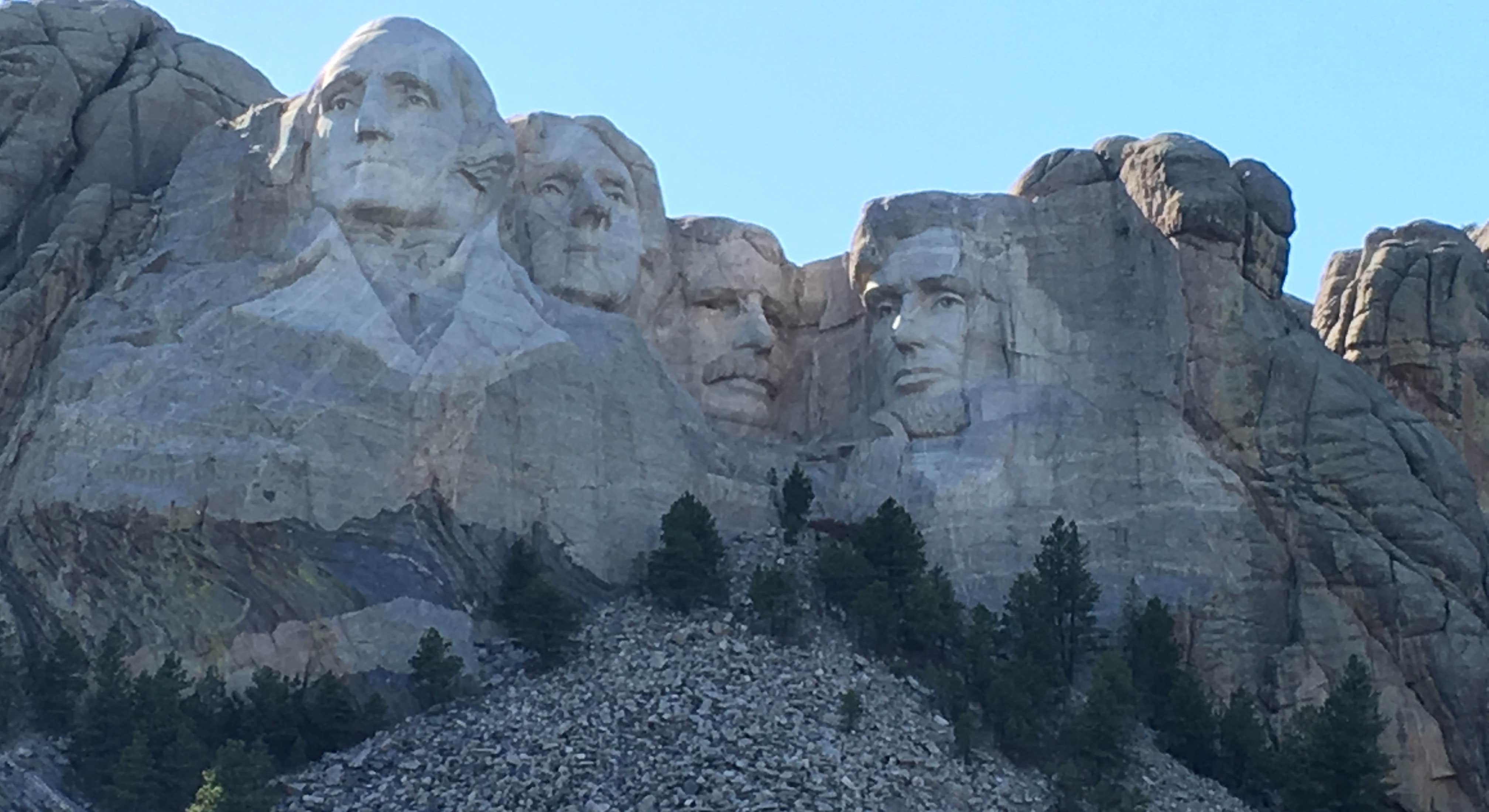 Photo by Matt S
Beyond the Campground: Activities and Exploration 
Day Trips from Wind Cave Campgrounds
Cave Tours at Wind Cave:
The star attraction is of course Wind Cave itself - one of the longest and most complex caves in the world. The visitor center (a short 0.5-mile walk or quick drive from Elk Mountain Campground) is the launching point for guided cave tours. There are several tour options, but all showcase the cave's famous boxwork formations (delicate honeycomb-like calcite structures) and other unique features. The standard Natural Entrance Tour lasts about 1 1/4 hours and is great for all ages, involving about 300 stairs down and up. For a shorter experience, the Garden of Eden Tour (1 hour) has fewer stairs. More adventurous visitors can opt for the Wild Cave Tour (4 hours of crawling with helmets and headlamps - a real caving adventure!) or the Candlelight Tour where you venture underground by lantern light. Pro tip: try an early tour in the day - you'll beat any crowds and then have the rest of the day free. And remember a light jacket; it's a constant 54 degrees F below ground.
Hiking within Wind Cave NP:
Several trailheads are very close to the campground. The Elk Mountain Trail actually starts right at the campground amphitheater - it's a gentle 1-mile loop through ponderosa pines and mixed-grass prairie, perfect for an evening stroll (and it's one of two pet-friendly trails in the park, so leashed dogs can join). A short drive (2 miles) or longer walk from camp takes you to Rankin Ridge, the highest point in the park. This easy 1-mile loop trail climbs to a fire tower with panoramic views - you can see the Black Hills sprawling to the north and the prairie stretching south. It's a must-do at sunset when the hills glow golden. For a longer trek, the Lookout Point Trail/Centennial Trail loop (about 4.5 miles round-trip) starts near the visitor center; it traverses prairie dog towns, crosses a wooded canyon, and offers chances to see bison from a safe distance. The trail conveniently loops back along Beaver Creek and ends near the campground, making it a fantastic half-day hike directly from your camp.
Scenic Drives and Wildlife Watching:
One of the joys of Wind Cave is driving its roads during the magic hours (early morning or late evening) to spot wildlife. From the campground, drive NPS Highway 87 north through the park - this is the Wind Cave Canyon Drive. In the open prairie sections near dawn or dusk, watch for herds of elk grazing (listen for their bugles in September). Bison often frequent the areas around Buffalo Flats (north of the visitor center) or along the road near the park's north boundary. You'll likely pass several prairie dog towns; there are pullouts where you can stop and observe these chattering little rodents safely from your vehicle. Another short drive is Hayden Prairie Road (SD 391) which cuts east-west through the park's southern end - it's a gravel road that sees few visitors, offering a peaceful drive where you might encounter pronghorn and bison with virtually no one else around. Just go slow on gravel and enjoy the solitude. If you want to venture a bit farther, continuing north beyond the park on Hwy 87 leads directly into Custer State Park's Wildlife Loop Road, where more buffalo, burros, and even prairie dogs await (plan 1-2 hours for the full loop).
Hot Springs and History Side Trip:
Heading south about 12 miles (15-20 minutes) from the campground brings you to the town of Hot Springs, SD. This can be a fun half-day trip when you want a break from hiking. Hot Springs is known for the Mammoth Site, an active paleontological dig where over 60 mammoths have been found in an ancient sinkhole. It's fascinating for kids and adults alike - you tour an enclosed dig area and museum (plan approximately 1 hour, and it's a great rainy-day activity too). Afterward, you could take a soak or swim at Evans Plunge, a historic geothermal pool fed by natural warm springs (water is around 87 degrees F). It feels great on any travel-weary muscles and is one of the oldest tourist attractions in the Black Hills. The town of Hot Springs also has groceries, restaurants, and fuel if you need to replenish supplies. The Hot Springs Black Hills KOA offers another nearby camping option with full amenities.
Day Trip to Mount Rushmore or Badlands:
Camping at Wind Cave puts you within driving distance of some bucket-list sites. If you haven't seen Mount Rushmore (about 1 hour drive north via the scenic Iron Mountain Road), it's definitely doable as a day trip. You can combine it with the drive up Iron Mountain Road's pigtail bridges and tunnels (one perfectly frames Mount Rushmore as you approach - don't miss that photo op). Another day, consider driving about 1.5 hours east to Badlands National Park - it's an unforgettable landscape of colorful eroded buttes. You can do a loop through the Badlands and be back by evening. Just plan around cave tour reservations if you have them, and bring a cooler with lunch so you can maximize your time. If planning extended adventures, check out tent camping near Badlands or RV camping options near Badlands.
Top Hiking Trails Near Wind Cave NP
| Trail Name | Difficulty & Distance | Key Features |
|---|---|---|
| Elk Mountain Trail | Easy 1.0 mile loop | Ponderosa pine forest, starts/ends in campground, interpretive signs, occasional deer and turkeys |
| Rankin Ridge Trail | Easy 1.0 mile loop | Highest point in park (elev. 5,013'), historic fire tower, 360-degree views of Black Hills and prairie |
| Lookout Point & Centennial Trail Loop | Moderate 4.5 miles RT | Mix of prairie and canyon scenery, crosses Beaver Creek, prairie dog town, great bison viewing area |
| Highland Creek Trail | Strenuous 8.6 miles one-way | Longest park trail - remote wilderness feel, rolling prairie to forested draws, solitude, bison and elk habitat |
| Black Elk Peak (via Sylvan Lake) | Moderate/Strenuous 7 miles RT | Highest summit in Black Hills (7,244'), granite spires, old fire lookout tower, spectacular panoramic vistas (Custer SP) |
Trail Access and Starting Points
Elk Mountain and Prairie Vista: These easy trails begin right by the campground. The Elk Mountain Trail trailhead is next to the amphitheater in Loop B of the campground - you can roll out of your tent and be on the path in seconds. The loop is well-marked with signs highlighting plants and ecology, making it a nice nature walk, especially in the morning when you might catch sight of grazing deer or hear a chorus of birds. Another short walk from the visitor center parking lot leads to the Prairie Vista Trail, a flat 1-mile figure-eight loop that is also pet-friendly. It offers a quick taste of prairie landscape and is a good leg-stretcher after a cave tour (the trailhead is across the road from the visitor center).
Rankin Ridge Trail: To get to Rankin Ridge, drive about 3 miles north from camp on Hwy 87 to the Rankin Ridge parking area (just past the park's northern visitor center turnoff). The trail is a loop, but most people hike it clockwise: a short, slightly steep climb to the ridge (benches along the way to catch your breath), then a gentle descent along an old road back to your car. It's less than 30 minutes up to the top. At the fire tower (usually closed to climbing, but the base offers a view), look for the orientation sign that helps identify distant peaks. On clear days you can see the Badlands jagged horizon to the east and the high profile of Black Elk Peak to the northwest.
Black Elk Peak (formerly Harney Peak): This classic Black Hills hike is outside Wind Cave but a popular add-on when touring the region. Starting at Sylvan Lake in Custer State Park (about a 45-minute drive from Wind Cave), the trail to Black Elk Peak is about 7 miles round trip with approximately 1,100 feet elevation gain. It's moderate for fit hikers - there are switchbacks and rocky sections but no scrambling. As you ascend, you'll pass through forests and alongside granite spires. The summit features a stone fire lookout tower and amazing 360-degree views - you'll be on the highest point between the Rockies and the Alps. On a clear day, you can see over 50 miles out, including the Badlands to the east. This hike is extremely popular in summer; starting early (before 8 AM) helps avoid crowds and afternoon storms.
Other Outdoor Activities
Beyond hiking and cave touring, consider some of these pursuits during your Wind Cave stay:
Wildlife Loop Drive (Custer State Park): Just north of Wind Cave, this 18-mile paved loop is the place for guaranteed bison sightings. Many campers will spend a morning or evening driving it slowly - you'll almost certainly encounter bison herds on the road, plus pronghorn, prairie dogs, and the famous "begging burros" (donkeys) that approach cars looking for treats (please only admire them, don't feed them). It's a kid-favorite activity. When visiting the broader region, you might also consider tent camping near Keystone to be closer to Mount Rushmore, or RV camping near Keystone for full hookups near the monument.
Horseback Riding: Custer State Park's Blue Bell Stables (near Blue Bell Campground) offers guided horseback rides through the Black Hills terrain. If you've never ridden, this is a memorable way to see wildlife and scenery from the saddle. They have short rides suitable for beginners or longer trail rides if you have riding experience. Reservations recommended in summer.
Fishing: While Wind Cave NP doesn't have fishing (no significant lakes or streams with sport fish), anglers can get their fix in the vicinity. In Custer SP, Center Lake or Legion Lake are stocked with trout and are peaceful spots to cast a line (a South Dakota fishing license is required; available online or at park offices). Angostura Reservoir, about 30 minutes south of Wind Cave, is another option for warm-water fishing (walleye, bass) and boating. Sandy Bottom Campground is located nearby for anglers looking to stay close to fishing spots.
Star Gazing: Wind Cave's campground and prairie pullouts offer excellent night sky viewing on clear nights. The park often holds night sky programs in summer, where a ranger sets up a telescope at the visitor center or campground amphitheater to point out planets, star clusters, and the Milky Way band (which is very visible here thanks to low light pollution). If there's a meteor shower like the Perseids (mid-August) or simply a moonless night, grab your camp chair or a blanket, find the open meadow by the campground, and look up. The Opulent Acres and Refuge Hill Homestead properties also offer dark sky camping in the region.
Jewel Cave National Monument: Wind Cave's "sister" cave, Jewel Cave, is just 30 minutes west (13 miles west of Custer, SD). It's the third-longest cave in the world and has different formations (notably spar crystals). If you're really into caves, you can do a tour at Jewel Cave as well (they have a Scenic Tour, Historic Tour, and a spelunking tour). Note: Jewel Cave also requires tickets/reservations; check ahead. It's feasible to camp at Wind Cave and make a half-day trip to Jewel Cave NM. Additional camping options near Jewel Cave include sites around Deadwood with dispersed camping and tent sites near Deadwood.
The Dyrt Community Insights 
Ranger and Camper Tips
Elk Mountain Peace and Quiet: Campers consistently note how uncrowded and peaceful Elk Mountain Campground is. One reviewer mentioned "this campground hardly ever fills to capacity", even in summer. Rangers confirm that on most nights, especially weekdays, many sites remain open. So if you crave a national park camping experience without the crowds, Wind Cave delivers. Enjoy the lack of generators humming and the spacious, spread-out loops - just the sounds of wind through the pines and distant wildlife. That said, on the off chance it does fill (holiday weekend), know that abundant overflow camping exists in Custer State Park.
Hidden Gem - Free Dispersed Camping: If you have a sense of adventure and self-reliance, the community raves about a dispersed camping area just outside the park on Forest Service land. Cold Springs School Road (Beaver Creek area) and North Pole Road are two nearby spots where you can camp for free in the national forest within a few minutes of Wind Cave's entrance. These are primitive pull-outs or clearings - no facilities - but the upside is a true wilderness vibe. One ranger even noted, "If you get a spot here, you're literally 5 minutes from Wind Cave while camping for $0 - hard to beat!" Always verify you're on public land and follow fire regulations, but keep these in mind if you arrive late or the campground is unexpectedly full. For more options, check out dispersed camping spots near Wind Cave.
Best Custer SP Campground: When community members compare notes, Sylvan Lake Campground often comes out on top for being the most beautiful in Custer State Park. With reviews averaging around 4.7/5 stars, it's praised for its beauty and proximity to Sylvan Lake. If you can snag a site there (reserve early!), it's a great combo with Wind Cave: spend a day or two caving and roaming the prairies, then a night under the granite spires and starry skies by Sylvan Lake. Families mention Sylvan's accessibility to easy hikes and the nice, cool temperatures at that higher elevation. Blue Bell Campground gets honorable mention for its cozy, classic campground feel - campers love the "pine smell in the air" and the frequent bison and deer sightings around Blue Bell.
Fort Welikit - Family Favorite: Numerous reviewers of Fort Welikit Family Campground praise how clean and accommodating it is. It's known for friendly owners who go out of their way to help (escorting you to your site, offering local tips). Kids love the playground and the occasional wild turkeys strolling through. The campground's location is super convenient for hitting both Custer State Park and attractions like Crazy Horse and Mount Rushmore. If you're traveling with an RV or just want a hot shower and wifi after some primitive nights, The Dyrt community confirms this place is "an awesome home base with all the amenities, but still feels like you're in the woods."
Wind Cave Cave Tour Tips: From those who've done the tours, a few pointers: The Natural Entrance Tour is the most popular - try the first tour of the morning for a smaller group. If you have bad knees or trouble with lots of stairs, opt for the Garden of Eden Tour (shorter and easier). The Candlelight Tour, done by lantern, is a unique throwback experience - several campers called it a highlight, but note it's only for ages 8+ and can be a bit physically demanding (stooping through some low areas). Lastly, bring a light jacket and know that any cameras or phones must be secure (no tripods or selfie sticks). A reviewer humorously noted, "I was glad I brought a sweatshirt - others in tank tops were shivering by the end!"
Top-Rated Sites from The Dyrt Community
| Category | Top Pick & Rating | Key Highlights |
|---|---|---|
| Highest-Rated In-Park | Elk Mountain Campground 4.5 / 5 stars | Peaceful, rarely full; dark night skies; simple amenities but clean; wildlife often nearby (bison, elk) |
| Best State Park Campground | Sylvan Lake Campground 4.7 / 5 stars | Beautiful setting by Sylvan Lake; great hikes from camp; cooler temps; can be busy but unforgettable views |
| Top Private Campground | Fort Welikit Family CG 4.6 / 5 stars | Very clean facilities; friendly owners; full hookups and hot showers; kid- and pet-friendly; close to town and parks |
| Free Dispersed Option | North Pole Rd Dispersed 4.8 / 5 stars | Secluded national forest sites; zero cost; great stargazing; need self-sufficiency (no water or toilets) |
Community Insights and Recommendations
Elk Mountain Solitude: The Dyrt reviewers repeatedly emphasize the calm of camping inside Wind Cave. Don't expect loud campfire parties or RV generators - more often you'll hear crickets and wind. One camper said, "We felt like we had the place to ourselves, and rangers even stopped by to chat about the stars." If you're coming from a crowded park like Yellowstone, the quiet of Wind Cave is a pleasant surprise. Take advantage of ranger programs here - they're intimate. Rangers might do a night sky talk or a short guided walk near the campground if enough people are interested.
Prairie Dog Entertainment: Families note that kids love watching the prairie dogs pop in and out of their burrows. There's a large prairie dog town just a short walk from the visitor center along the Prairie Vista Trail. Bring a portable camp stool or just sit in the grass (a good 20 yards back) and watch the show - they bark and interact endlessly. It's free wildlife "TV." Just remember not to feed them (even if they come close) and be mindful of rattlesnakes that also hang in their habitat.
Southern Black Hills Hub: Many community members treat Wind Cave as a hub for the Southern Black Hills. They recommend checking out lesser-known attractions like Cascade Falls, a small set of warm-water cascades south of Hot Springs that you can swim in, or driving the backroads around Wind Cave at sunset. A camper recounted a magical evening drive: "We took Wind Cave's gravel backroad at dusk and ended up in the middle of a huge bison herd - engines off, just watching them under pink skies." Things like that often happen when you wander just a bit off the beaten path (safely and legally, of course). Additional dispersed camping options include camping near Hermosa and camping near Pringle.
Badlands Day Trip Strategy: If you plan to hit Badlands National Park from Wind Cave, a community tip is to depart at dawn, drive the Badlands Loop Road while it's cool (and wildlife like bighorn sheep are active), and return via the route through Scenic and Red Canyon back to Hot Springs. It makes for a long day, but you avoid midday heat in the Badlands and catch golden-hour light both morning and evening. Multiple reviewers who did this say it was well worth the effort. If you want to extend your trip, there are also dispersed camping options near Badlands and horse-friendly camping near Badlands.
Shoulder Season Perks: Locals and repeat visitors on The Dyrt point out that late September or April/May can be the very best times here. Fewer visitors, pleasant weather (usually), and active wildlife. One fall visitor wrote, "The elk were bugling like crazy and we had a front-row seat from our campsite - something I'll never forget." Spring campers often mention the lush green prairie and baby bison sightings. If your schedule allows, consider a shoulder season trip for these special moments. Just pack layers because shoulder season can bring anything from warm sun to a freak snow flurry! Consider combining your visit with tent camping near Wall or tent camping near Interior for a broader South Dakota camping adventure. You can also check out tent camping near Sturgis if you're visiting during the famous motorcycle rally.
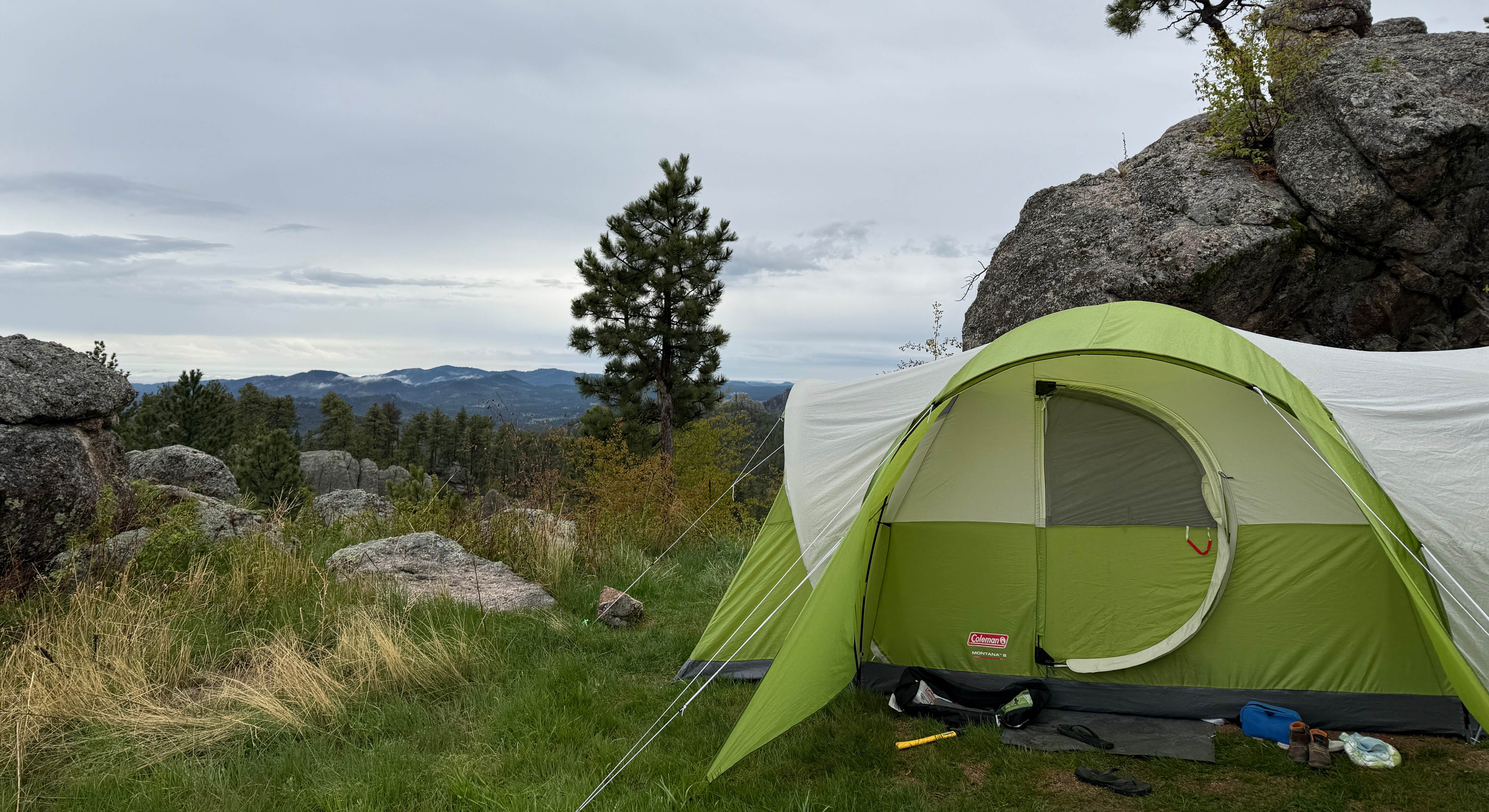 Photo by Daniel S
Responsible Camping Practices 
Leave No Trace at Wind Cave
Preserving the beauty of Wind Cave National Park and the greater Black Hills for future generations is a responsibility every camper shares. By following Leave No Trace principles and being considerate stewards of the land, you help maintain the wildlife, landscape, and even the cave environment for years to come.
Pack It In, Pack It Out:
Take everything you bring into the park back out with you, except perhaps some dust on your boots. This means all trash, food scraps, and gear. Use the park's dumpsters for garbage - don't leave trash in your fire ring or at your site. Tiny bits of litter, like bottle caps or food wrappers, can harm wildlife (and they add up if every visitor leaves just one). Before departing your campsite, do a thorough sweep of the area - check under picnic tables, around the tent pad, and in the fire grate for any micro-trash (twist ties, bread clips, etc.). Keep a dedicated trash bag and secure it so critters can't tear it open overnight. By leaving your site cleaner than you found it, you're helping keep the park clean and preventing wildlife from ingesting or getting tangled in human debris.
Respect Wildlife and Their Space:
We've covered keeping distance and not feeding animals - but responsible camping goes beyond that. Observe quietly: use a quiet voice or stay silent when wildlife are nearby so you don't disturb them. If a herd of bison is crossing the road, be patient - turn off your engine and enjoy the moment rather than honking or revving to get them moving. At the campground, don't approach animals that wander through (you'd be amazed - even a big bison might cut between tents!). Give them an exit route and admire from afar. Keep pets under control at all times; unleashed or barking dogs can stress wildlife. When driving, obey speed limits (35 mph or lower) - especially at night when animals are hard to see. Sadly, every year some park animals are hit by vehicles; slowing down and staying alert can prevent most of these accidents. In short, treat all creatures as wild and worthy of respect - you're a visitor in their home.
Preserve the Cave Environment:
Wind Cave is a very special resource - over 150 miles of passages and counting. Help protect it by following all cave tour rules. Never touch cave formations or walls; the oils on skin can halt growth of formations and encourage mold. Stay on the tour path and don't wander off - besides being potentially dangerous, going off-trail can damage delicate cave floor deposits or disturb bats that roost in hidden spots. If you're a caver visiting other wild caves in the Black Hills, make sure your clothing and gear are decontaminated to prevent the spread of White-Nose Syndrome (a fungal disease fatal to bats). The park may ask if you've been in any other caves recently - answer honestly for the sake of the bats. Above ground, do not throw rocks or anything into cave openings or blowholes (Wind Cave breathes - you might feel air whooshing out of natural entrances - but dropping debris in is harmful). Essentially, treat the cave as a living museum: look, enjoy, but leave no mark.
Fire Safety:
Prairie fires can be devastating, and in dry, windy conditions a spark can turn into a wildfire fast. Only build fires when and where allowed. Keep your fire small - a large bonfire isn't necessary for marshmallows, and it's much harder to control or extinguish. Never leave it, even if you think it's dying out - winds can reignite embers. If the park or region issues a fire ban, absolutely comply (use a gas stove for cooking instead). South Dakota can get extremely dry by late summer; be aware of fire danger ratings posted at park entrances or ranger stations. Also, don't burn wood from far away that might carry pests (buy local firewood to prevent things like emerald ash borer spread). The phrase to remember: Dead Out - that's how your fire should be when you're done. If it's too hot to touch, it's too hot to leave.
Respect Other Visitors:
Part of responsible camping is fostering a positive outdoor community. Keep noise to a reasonable level, especially during quiet hours. Yield to others on trails (uphill hikers often have the right of way, and step aside for any horseback riders). If you're taking a long time at a scenic overlook, be mindful if others are waiting for a turn to take photos. In the campground, use headphones if you want to listen to music, and teach kids to be considerate of walking through others' campsites (a quick shortcut for them might feel like an intrusion to someone trying to relax). The people around you may have traveled far for peace and nature - help each other achieve that by being considerate. A friendly wave or hello can also go a long way; Wind Cave's campground has a communal feel at times, with folks sharing wildlife sightings or travel tips. Embrace that small community vibe by respecting space and being kind.
Frequently Asked Questions 
When do Wind Cave's campgrounds open and close for the season? Elk Mountain Campground is open year-round. However, it operates in a limited capacity in winter (Oct through April). During those months, only Loop B is open, and there is no running water (only a vault toilet). The other loops (A, C, D) and the flush restroom/shower building are closed roughly October 1 to mid-May. By mid-May, all loops and water are typically turned on for the summer season. Nearby Custer State Park campgrounds generally open by early May and close in late September or early October (some, like Game Lodge, stay partially open with vault toilets into fall). Always check current dates; for example, in heavy snow years the opening of water might be delayed a bit in spring. But as a rule, you can camp at Wind Cave any day of the year - just expect primitive conditions in the winter months.
Do I need reservations to camp at Wind Cave? Can I just show up? In peak summer, it's a good idea to have a reservation for Elk Mountain Campground, especially if you're arriving on a Friday or holiday weekend. The park moved to Recreation.gov reservations for the busy season. That said, Wind Cave's campground is relatively small and often not full, so if you're visiting mid-week or in June (outside of 4th of July week), you might very well find open sites by just walking up. If you decide to wing it and find Elk Mountain full, remember there are many alternatives nearby (Custer State Park, national forest sites, and private campgrounds in Custer or Hot Springs). In the off-season (late fall, winter, early spring), no reservations are taken - it's first-come, first-served, and you'll almost certainly find a spot given the low visitation then. Summing up: you can sometimes just show up and be fine, but having a reservation provides peace of mind if you want to guarantee a site.
How much does it cost to camp in and around Wind Cave? Camping at Elk Mountain Campground costs $24 per night during the main season when water and flush toilets are available. In the winter/off-season, the fee is typically $12 per night since amenities are reduced. These fees cover up to 8 people and 2 vehicles at a site. If you have an America the Beautiful Senior Pass or Access Pass, you get 50% off camping (so $12 in summer, $6 in winter) - a great perk for seniors or those with disabilities. In Custer State Park campgrounds, rates are around $22-$28 per night for standard sites, slightly more for electric hookup sites or cabins (plus you need the park entry pass). Private campgrounds like Fort Welikit range from roughly $35 for a basic tent site to $50+ for RV sites with full hookups; cabins can be $60-$100 depending on size/season. Also, don't forget cave tour costs in your budget: standard cave tours are about $16 per adult, and special tours more. But one of the nice things about this area is that basic camping is very affordable - far cheaper than staying in resorts or lodges.
Are there RV hookups or a dump station at Wind Cave National Park? No, Elk Mountain Campground is intentionally kept semi-primitive - there are no electrical, water, or sewer hookups at any site. The campground also does not have a dump station. RV campers are welcome (rigs up to 35 feet can be accommodated in some sites), but you'll be dry camping. If you need hookups, you'll want to stay at a private campground (like Fort Welikit or Beaver Lake Campground in Custer) or one of the Custer State Park campgrounds that offer electric sites (Game Lodge, for example, has some with electricity). Other nearby options include Kemo Sabay Campground and Fall River Ranch. As for a dump station, the nearest ones would be in Custer State Park (there's one at Game Lodge Campground available to campers) or some gas stations in Hot Springs or Custer may have one for a fee. Plan accordingly: arrive with full fresh water and empty waste tanks if you're RV camping at Wind Cave. The park does have water spigots to fill jugs (in season), but not for big RV tank fill-ups.
Can I have a campfire at Elk Mountain Campground? Yes - if conditions allow, campfires are permitted but only in the metal fire grates/rings provided at each site. Each site has a fire ring with an attached grill grate. You may gather dead and down wood within the park for use (small sticks, etc.), but it's much easier and eco-friendlier to purchase firewood locally. Never break branches off live trees or cut vegetation. Always keep fires attended and small. Many nights in summer, a campfire is enjoyable as temperatures drop into the 50s. Just be aware of any fire restrictions. In very dry periods, the park or county may issue a fire ban - in which case no wood or charcoal fires are allowed (propane grills/stoves usually okay). If such a ban is in effect, it will be posted at the campground and visitor center.
What about showers and restrooms? Are there facilities? Elk Mountain Campground has restrooms but no showers. The restrooms in loops B/C are modern vault toilets (odor-free type), and there's a building with flush toilets and sinks near the amphitheater that operates in summer. However, there are no public showers in the park. If you need a shower during your camping stint, you have a few options: drive 20 minutes into Hot Springs and use the municipal swimming pool or Evans Plunge (shower included with pool admission), or if you happen to be going through Custer State Park, their campgrounds with showers (Game Lodge, Sylvan Lake, etc.) sometimes allow non-guests to shower for a fee (usually around $4). Many private campgrounds in the area also offer pay showers. A simple alternative is to bring a solar shower or a rinse bucket for camp.
Is Wind Cave National Park a good place for families with kids? Absolutely! In fact, Wind Cave can be very kid-friendly, especially for grade-school-aged children. The cave tours fascinate many kids - wandering through the cool, winding passages feels like an adventure. (Do note: children under 4 are generally not allowed on the longer cave tours for safety, but they can go on the shorter Garden of Eden tour.) Above ground, kids love spotting prairie dogs (which are cute and abundant) and watching the bison (at a safe distance). The park offers a Junior Ranger program - you can pick up a booklet at the visitor center and kids can earn a badge by completing some activities during your stay, which is a fun educational motivator. The campground has lots of safe space for kids to ride a bike around the loops or roam near camp (with supervision - remind them bison can appear anywhere!). Nearby attractions like the Mammoth Site and Custer State Park's lakes also provide family fun. Many families also enjoy tent camping near Pringle for additional kid-friendly options.
When is the best time to visit Wind Cave National Park? It depends on your priorities. For the best weather, June and September are often ideal - warm days, cool nights, and generally drier conditions. July and August are also good but hotter (and you'll likely see afternoon thunderstorms). If wildlife viewing (like hearing elk bugles) or fall colors are your goal, late September is fantastic. If you want to avoid crowds entirely and don't mind the cold, winter (December-February) will give you solitude - you might be one of only a handful of campers, and tours will be uncrowded (just check the reduced schedule around holidays). Spring (April-May) can be lovely with blooming wildflowers and baby bison, but the weather is more variable - could be sunny and 70 degrees F or cold and wet. Also, in spring not all facilities are open until mid-May. If we had to pick an overall "sweet spot," we'd say early to mid-September: the summer rush is gone, weather is usually dry and mild, wildlife is active, and you still have all services running (plus the Buffalo Roundup in Custer SP late September is a unique event if your timing aligns). Ultimately, any time from late spring through fall will be rewarding - and even winter has its unique character for prepared campers. Check out camping near Fairburn with tents or RV sites near Fairburn for more regional options.
Planning Resources
Essential Wind Cave Links
- The Dyrt Campground Finder - Wind Cave Area - Reviews and availability for all campgrounds in and near Wind Cave NP
- Tent camping near Wind Cave National Park - Best tent camping options in the area
- RV camping near Wind Cave National Park - RV-friendly campgrounds with hookups nearby
- Dispersed camping near Wind Cave - Free primitive camping on Forest Service land
- Wind Cave National Park - Official NPS Website - Current park alerts, cave tour schedules, hours of operation, and downloadable brochures
- Recreation.gov - Wind Cave Tour Reservations - Book cave tour tickets up to 120 days out; also check for Elk Mountain Campground reservations
- South Dakota State Parks - Custer State Park Camping - Campground maps, site details, and booking for Blue Bell, Game Lodge, Sylvan Lake, etc.
- Wind Cave Weather Forecast (NOAA) - Detailed 7-day outlook specifically for the park area
- Black Hills Road Conditions (SDDOT) - Road conditions and closures for winter and early spring travel
- Complete Guide to Badlands National Park Camping - Pair your Wind Cave trip with Badlands
- Camping near Black Hills National Forest - Additional camping options in the Black Hills region
Wind Cave NP Reservation Timeline
| Time Before Trip | To-Do List | How/Where |
|---|---|---|
| 6+ Months Before | Reserve Wind Cave campground if visiting in peak season Book Custer SP campsites or area lodging (if applicable) | Recreation.gov for Elk Mountain (opens 6 months out) Campsd.com for Custer SP (up to 1 year out) |
| 3-4 Months Before | Reserve Wind Cave cave tours (esp. if visiting June-Aug) Schedule any special tours (Wild Cave Tour) via phone | Recreation.gov for standard cave tours (120 days out) Call Wind Cave NP for Wild Cave/Candlelight Tour reservations |
| 1-2 Months Before | Plan your itinerary and day trips (Badlands, Mount Rushmore, etc.) Check for any park alerts or new rules | Use NPS site and The Dyrt guides to finalize must-sees Review NPS Alerts page for Wind Cave |
| 1-2 Weeks Before | Double-check reservations (print or save confirmations) Begin packing essentials and inspect gear | Verify dates on Rec.gov and Campsd emails; set aside cave tour tickets Test your camp stove, replace batteries in headlamps, etc. |
| 1-2 Days Before | Get a detailed weather forecast Buy groceries and fill fuel and water jugs | NOAA or weather app for Hot Springs, SD and park area Shop for food and ice; fill up gas en route |
| Day of Departure | Start early if driving - wildlife are active in AM! Bring printed directions (cell signal can be spotty) | Leave home with plenty of time to reach before dark if possible Have maps or saved Google Maps offline for the Black Hills region |
Wind Cave Camping Checklist
Reservations and Documents:
- Camping Reservations: Printed or digital confirmation for Elk Mountain (or note of your reserved site number)
- Cave Tour Tickets: Reservation confirmation for any pre-booked cave tours (or will-call info)
- Park Passes: Your America the Beautiful Pass (if you have one) for entering other NPS sites, and/or cash/card for Custer SP entrance fee
- ID and Vehicle Registration: Driver's license, car registration, and proof of insurance
- Emergency Contact Info: Written down in case of emergency (and left with someone at home too)
Camping Gear:
- Tent, Poles, Stakes, Ground Tarp
- Sleeping Bags (appropriate ratings for expected temps)
- Sleeping Pads or Air Mattresses
- Extra Blankets (can be lifesavers on unexpectedly cold nights)
- Camping Chairs (for fire and stargazing comfort)
- Headlamps/Flashlights + Extra Batteries (a must for each person)
- Lantern (Fuel or Battery) for picnic table or tent interior lighting
- Multi-tool or Pocket Knife
- Cooler (with ice or plan to buy ice locally)
- Water Containers (at least one 5-gallon jug and personal water bottles)
- Stove and Fuel (plus lighter/matches)
- Cookware and Utensils: Pot, pan, coffee pot, spatula, knife, cutting board, can opener
- Plates, Bowls, Cups, and Eating Utensils
- Dishwashing Bin, Biodegradable Soap, Sponge
- Trash Bags (bring a few)
Clothing:
- Base Layers: Moisture-wicking T-shirts, long-sleeve shirts
- Mid Layers: Fleece jacket, flannel shirt, or hoodie
- Insulating Layer: Warm puffy jacket or wool sweater (especially for evenings)
- Outer Layer: Rain jacket (with hood), windbreaker, or light shell
- Hiking Pants/Shorts: Durable and comfy
- Hiking Socks: Several pairs (merino wool or synthetic - avoid cotton)
- Hat and Gloves: Warm beanie and light gloves for mornings/evenings, plus a sun hat for daytime
- Sturdy Shoes: Broken-in hiking boots or trail shoes, plus camp shoes (sneakers or sandals)
Personal and Safety:
- First Aid Kit: Include bandages, gauze, antiseptic wipes, moleskin for blisters, pain reliever, tweezers (for splinters/ticks)
- Prescription Medications: Bring enough for entire trip plus a couple extra days
- Sunscreen: SPF 30 or higher, and lip balm with SPF
- Insect Repellent: With DEET or picaridin for mosquitoes and ticks
- Personal Hygiene: Toothbrush, toothpaste, biodegradable soap, deodorant, and a small quick-dry towel
- Hand Sanitizer and/or Wet Wipes
- Map/Compass/GPS: The park brochure map suffices for on-trail navigation; if doing backcountry, get the Wind Cave topo map
- Cell Phone and Charger: Keep in mind signal is spotty, but your phone is still your camera
- Binoculars: Cannot overstate how much more you'll see with binocs - bison on a distant hill, falcons on cliffs, etc.
By planning carefully, respecting wildlife and park regulations, and embracing the unpredictable nature of outdoor adventure, your Wind Cave camping trip will create lasting memories. From marveling at boxwork formations deep underground to spotting a bison herd at sunset or simply enjoying the bright stars above your tent, camping in Wind Cave offers a unique connection to one of America's most underrated national parks. Start planning your trip by viewing all campgrounds near Wind Cave National Park on The Dyrt.