Dispersed camping areas around Maysville, West Virginia, sit within the Monongahela National Forest at elevations ranging from 2,000 to 4,000 feet. The region experiences significant temperature fluctuations with summer highs averaging 80°F and overnight lows sometimes dropping into the 40s even in July. Most campsites in this mountainous terrain require high-clearance vehicles to access the more remote locations.
What to do
Tubing and fishing: At Big Bend Campground, the South Branch of the Potomac River creates a natural lazy river perfect for summer recreation. "The river makes a loop where there is only a couple hundred yards to climb out of the river and get back in and do it again. Great smallmouth fishing stream," notes Tim M. The complete tubing loop takes "a little over an hour to complete, then a 2 minute walk, and start again," according to Jon C.
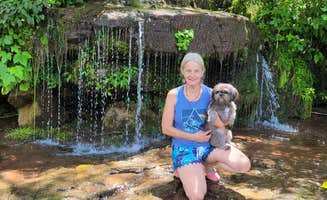
Hiking to waterfalls: Multiple cascades dot the region's landscape within short driving distance from most campgrounds. "There's a total of 46 sites with varying privacy at each... There is also a rope swing around the corner you can hike or float to," explains Hannah V. about Big Bend Campground. "There are waterfalls in many areas around Canaan. Blackwater falls, Douglas falls, Elakala falls is the 4 falls of Shays Run, Falls of Seneca, Red falls, the list goes on," adds Aimee L.
Stargazing: The remote nature of Seneca Shadows Campground offers exceptional night viewing. "The sky was absolutely perfect to view from the campground - you could bring a telescope!" recommends Sienna L. Many sites throughout the region have minimal light pollution, making constellation viewing optimal on clear nights.
What campers like
Varied camping environments: Dolly Sods Backcountry offers dramatically different ecosystems than surrounding areas. "With the incredibly varied landscapes and diverse vegetation, Dolly Sods truly feels like you are somewhere far north from WV. The ferns and evergreens reminded me of being in Maine, the vast meadows felt like I was in Wyoming or Montana," reports Ben.
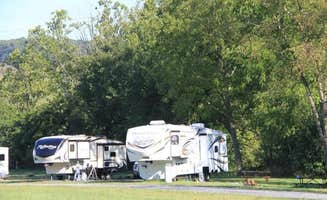
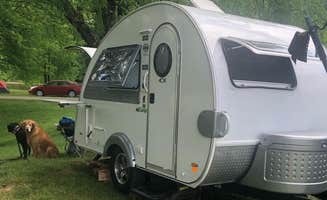
Riverside camping: Many sites offer direct water access for cooling off during summer months. At Five River Campground, campers appreciate the waterside setup. "We backed up to a large field (spot 3) and had a great view of the river! I didn't feel crowded at all! Our two dogs swam in the river," shares Kerrie K. The campground offers "120 RV sites many with full hook-ups. It can accommodate tents to large rigs."
Wildlife viewing: Dawn and dusk provide excellent opportunities for animal sightings. "Deer meander through the primitive tent sites with their fawns each morning and evening," notes Dave V. about Canaan Valley Resort State Park Campground. Numerous species of birds and small mammals frequent the region's streams and forests throughout the day.
What you should know
Weather preparedness: The mountain climate brings rapid changes in conditions. "Know that it will likely rain on you in Dolly Sods, so always bring rain gear. Also realize, that with climate and conditions similar to the Canadian Tundra, temperatures and winds vary and fluctuate often, any time of year," advises Dave V. Nights can be significantly colder than days, requiring layered clothing and proper sleeping gear.
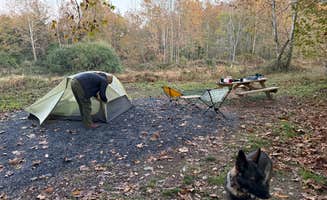
Trail conditions: Many trails become muddy after rain. "There will always be puddles / ponds in the middle of the trails in Dolly Sods, but conditions were generally excellent," explains Jacob. At Canaan Loop Road Dispersed camping areas, similar conditions exist: "Still snow on the ground and very wet in early April, but great dispersed car camp and walk-in camp sites."
Reservations timing: For holiday weekends and fall foliage season, secure sites well in advance. "We visited on a weekend and there was only one other tent camper, quite a distance away in the other cluster of trees," notes Dave V. about Five River Campground during off-peak times. However, during peak periods, campgrounds throughout the region fill quickly.
Tips for camping with families
Kid-friendly water features: Look for campgrounds with gentle water access for safer play. "The location is amazingly located right on the Shavers Fork river on a section that was shallow and calm enough for our small children to enjoy it," shares Jamie R. about Five River Campground. She adds, "There's a wonderful park nearby that has a walking/biking trail, splash pad, and a large playground."
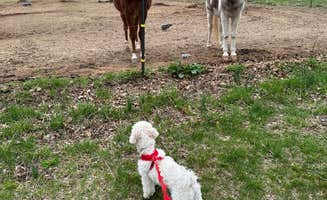
Animal encounters: Children often enjoy the wildlife viewing opportunities throughout the region. At Middle Ridge Campground, "We have three children who absolutely loved petting and feeding Mules and Donkeys!" reports Kayla M. The owners "provided daily checks so see if we needed anything such as firewood, which they brought directly to our campground."
Educational opportunities: Several nearby visitor centers offer learning experiences about local ecology and history. "The visitor's center has a nice collection of Native American artifacts and a cool video of the Army soldiers who trained here before WWII," notes Jennifer B. regarding facilities near Seneca Shadows Campground. Nature centers at state parks often offer ranger programs during summer months.
Tips from RVers
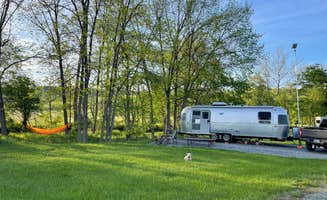
Site selection: Many campgrounds offer varying levels of hookups and privacy. "The A & B Loops are for tents or RVs with no electric service. The C-Loop has electricity," explains Jennifer B. about Seneca Shadows Campground. For pet-friendly camping near Maysville, West Virginia, site selection affects your experience significantly.
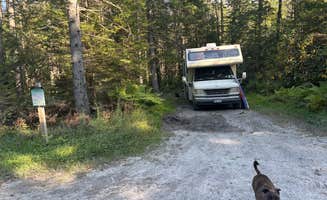
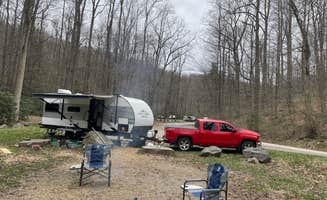
Road access considerations: Some campgrounds have challenging approach roads. "Road to access the campground was good with some tight turns up the hill the last couple of miles. The campground itself is gravel roads that were pretty tight gettin in and out of and fairly steep with trees on all sides. Made it in and out no issue taking it slow, but not sure I would try anything longer than about 36' fifth wheel or 34' travel trailer," advises Stephen H. about Middle Ridge Campground.
Hookup variations: Water pressure and electrical service vary between campgrounds. "Water pressure was just a bit weak and used our water tank and pump during our stay. Best we could get for water pressure out of the hose was 25-20 psi. No issues with power or sewer," continues Stephen H. Bringing pressure regulators and surge protectors is advisable for most RV sites in the region.









 Guide
Guide


