Shenandoah National Park sits along the crest of Virginia's Blue Ridge Mountains, with elevations ranging from 600 to over 4,000 feet. Temperature variations can be significant, with mountaintop areas like Big Meadows often 10-15 degrees cooler than valley locations. Many campgrounds throughout the park maintain first-come, first-served sites alongside reservable options, though availability becomes limited on summer weekends and during peak fall foliage season.
What to do
Hiking with dogs to waterfalls: Several trails accessible from Mathews Arm Campground lead to scenic waterfalls where leashed dogs can cool off during summer hikes. "You can hike to Overall Run Falls from a trail in the parking lot near the campground and turn this into a loop hike by returning a different way," notes Mary S., highlighting the variety of dog-friendly trail options.
Cavern exploration: Located just 30 minutes from the park, Endless Caverns RV Resort offers discounted tours of their underground formations for campground guests. "The cavern tour (discounted for guests at the RV park) was lovely. Marked well, lighted, relaxed," shares Clark P., who appreciated the accessibility of these natural wonders.
Wildlife observation: Morning and evening hours provide prime wildlife viewing opportunities at most Shenandoah campgrounds. "We saw many deer and bear while camping. Just being in Shenandoah is a soothing experience," explains Rachel M. from Big Meadows Campground, where animal sightings are common near campsites.
What campers like
Dark skies for stargazing: The higher elevation campgrounds maintain minimal lighting, creating ideal conditions for night sky viewing. "We love to camp in Big Meadows - and for the star watching at night," mentions Rachel M., highlighting an advantage of the park's limited light pollution.
Clean facilities: Campers frequently mention the well-maintained bathrooms at Shenandoah River State Park, a dog-friendly alternative just outside the national park. "Bathrooms are very clean with separate shower rooms," confirms Adam and Suzanne B., noting the consistently high standards that make multi-day stays more comfortable.
Private sites: Many dog owners appreciate campsites that offer more separation from neighboring campers. "Sites in section C usually back up into a wooded or naturally landscaped area that allow a nice sense of woodsy privacy," reports Sara M. at Endless Caverns RV Resort, where strategic site selection can significantly enhance the experience with pets.
What you should know
Weather changes rapidly: Mountain weather patterns can shift quickly, requiring campers to prepare for multiple conditions. "It was an especially cold night hitting a low of 14F. Very happy for the nearby heated restrooms with hot running water," shares Carol B. about a late-season stay at Big Meadows.
Limited cell service: Most campgrounds within Shenandoah National Park have minimal or no cellular connectivity. At Loft Mountain Campground, Luz T. notes, "All sites have a fire ring and picnic table but not all have a bear food locker, so check if you need a food locker," highlighting the importance of checking site-specific amenities in advance.
Insect activity varies: Bug populations change dramatically based on location, recent rainfall, and time of year. "The bugs when we got here were kinda crazy. They don't bite but they swarm your head and try to enter every orifice for some reason. A head net was helpful," warns Veronica S., describing conditions at Big Meadows that particularly affect dogs with short snouts.
Tips for camping with families
Pet-friendly hiking trails: Families camping with dogs should research trail restrictions in advance. "The AT runs right through the campground," notes Katrin M. about Loft Mountain, making it convenient for daily walks with leashed dogs without driving to trailheads.
Camp store convenience: Several dog-friendly campgrounds near Shenandoah offer well-stocked stores for last-minute needs. "The camp store has all the necessities," confirms Kim L. about Big Meadows, helpful when you've forgotten dog food or need additional supplies during your stay.
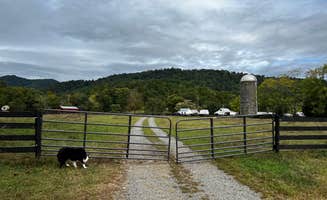
Wildlife precautions: Watercress Inn at Landon Farm provides a more controlled environment for families with pets worried about wildlife encounters. "The site was super private and quiet," reports RL, noting that smaller, privately-owned campgrounds often present fewer wildlife management challenges for families with dogs.
Tips from RVers
Site selection priorities: RVers with dogs should prioritize sites with enough room for outdoor containment. "Sites are large enough and level enough. The power pole is well positioned," explains Dale Y. at Harrisonburg Shenandoah Valley KOA, highlighting practical considerations for managing pets at campsites.
Dump station planning: Most dog-friendly campgrounds near Shenandoah offer dump stations but not full hookups. "No sewer at the sites, so plan on using the dump drain on the way out," advises Jason E. about Shenandoah River State Park, important for longer stays when traveling with pets that limit your ability to leave the campsite.
Navigation challenges: Access roads to many campgrounds feature steep grades requiring proper vehicle preparation. "The drive in requires about 25-miles through the roller coaster of steep grade (7+%) hills. There's no way around that, you're in the mountains. Just be aware and be prepared," warns Matt S. about navigating with larger rigs.









 Legend


