Monongahela National Forest camping sites range from 2,000 to 4,800 feet elevation, creating diverse microclimates throughout the region. Many dispersed camping areas remain accessible from late spring through fall, with summer temperatures averaging 75-85°F during the day and dropping to 45-55°F at night. Winter camping is possible at lower elevations but requires preparation for temperatures that can fall below freezing.
What to do
Fishing at Lake Moomaw: Anglers can catch rainbow trout in the stocked waterways around Bolar Mountain Recreation Area. "Plenty of picnic areas and great fishing as well! It's $8 a day for a fishing pass and you can rent John boats or kayaks here as well. In season the lake and creek are stocked with plenty of Rainbow trout," notes John R. from Douthat State Park Campground.
Biking the Greenbrier River Trail: The 80-mile converted rail trail offers gradual grades suitable for all skill levels. "The Greenbrier River Trail is a delightful bikepacking excursion. Very doable for all ages. I'd recommend road bicycles with tires no narrower than 700x32 or mountain bikes. Because of the wetter climate, there were soggy sections that would cause difficulty for thin tires," shares Dave V. from Greenbrier River Trail MP 69.6.
Wildlife viewing: Dawn and dusk provide prime opportunities to observe native wildlife. "Encountered 19 deer, 1 bear, and several other small creatures. Short drive or hike to Lake with boat rentals and fishing," reports Mike C. at Seneca State Forest.
What campers like
Fire tower camping: "We splurged and rented the Thorny Mountain fire tower. Reserve well in advance. You can drive up the mountain (any vehicle in summer, might need 4WD in mud or snow) or hike. Bring all your standard backpacking/camping gear, cots are provided," advises Amber A. from Seneca State Forest.
Pioneer cabins: These rustic accommodations provide a blend of wilderness and basic shelter. "We stayed in a cabin this time. One of the pioneer cabins. Let me say it was awesome, wood stove, gas light, outhouse and had to get your own water. The cabin was well put together and the staff has you set up to enjoy your stay with everything from soap to cut wood," reports David F. at Seneca State Forest.
Solitude at dispersed sites: "This has been the best spot I've found so far in terms of what it offers. It's easy to find, the roads are gravel and maintained enough for just about any vehicle to get back there, the views are truly incredible with great star gazing opportunities, and MOST IMPORTANTLY it is absolutely littered with marked hiking trails," writes Mystic S. about Dispersed camping at Mower Basin.
What you should know
No cell service: Many campgrounds have limited or no connectivity. "Because this entire area of WV is in the National Radio Quiet Zone, there is zero cellular service with 1-2 hours drive in any direction. If you can't get the weak WiFi service, you won't be using any data services," explains Brian F. from Riverside Campground — Watoga State Park.
Bring water supplies: Some dispersed sites lack drinking water. "I'm sure this is an amazing campsite, but it was a little too rustic for my liking. There is no cell service within 30 miles, so for an outsider who doesn't know the area, it was difficult to find the campsite. You also better bring everything you need beforehand," advises Evan G. about Seneca State Forest.
Weather preparedness: Sudden storms are common, especially in summer months. "In June, you can anticipate random, short afternoon or evening cloudbursts...but they can be gully-washers. Nights were cool and most mornings I wore a long-sleeve Merino shirt," notes Dave V. from Greenbrier River Trail Milepost 63.8.
Tips for camping with families
Swimming options: "The water was beautiful, temperature perfect for swimming. There's a separate beach that you can drive to that is roped off for swimming purposes but we rather enjoyed walking to the water from our site and having what seemed like our own little swimming spot," shares Joanna G. about Bolar Mountain Recreation Area.
Educational wildlife viewing: Take advantage of dawn and dusk times when animals are most active. "You will see deers grazing right next to your tent!!" says Amelie B. from Beaver Creek Campground at Watoga State Park.
Playground-adjacent sites: Some campgrounds offer kid-friendly amenities. "Some campsites are by a playground, avoid those if you don't have kids yourself. Sites are all shaded, in the trees, semi-private. Clean and well taken care of. Creek runs by most of the sites," shares Dan N. about Beaver Creek.
Tips from RVers
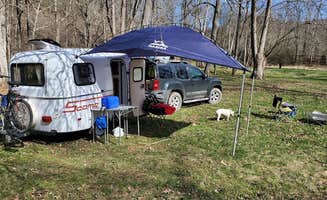
Access considerations: Some forest roads have limitations for larger vehicles. "Caution should be used with large rigs as the low-water bridge to White Oak has steep approach and departure angles," warns Jeremy W. about Douthat State Park.
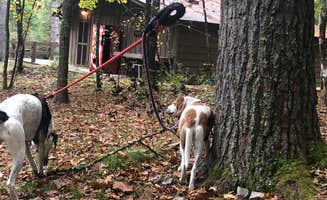
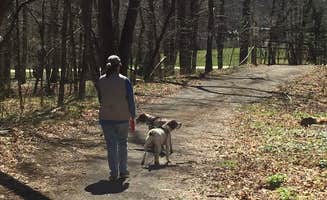
Dog-friendly campgrounds in Monongahela National Forest: Most campgrounds welcome pets but require leashing. "We asked to stay on the north side of the property and it's right beside the marsh. It's amazing for bird watching and sleeping to the sounds amid nature," shares Damon O. at Snowshoe Valley Camping, a pet-friendly option.
Electric hookups: For those needing power, certain campgrounds offer reliable options. "Great sites, easily accessible and easy access to hook up to amenities," notes Kimberly S. about Bolar Mountain Recreation Area, making it suitable for campers with electric needs.












 Legend


