Camping near Georgetown Lake offers a mix of primitive and established sites around a 1,310-acre reservoir. Water levels fluctuate seasonally, affecting campsite availability along the shoreline. The 26-mile Goodwater Loop trail connects several campgrounds, allowing multi-day backpacking trips between sites. Temperatures regularly exceed 95°F from June through September, making spring and fall the optimal camping seasons.
What to do
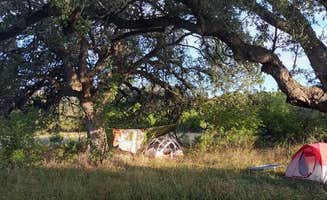
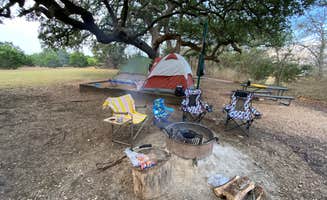
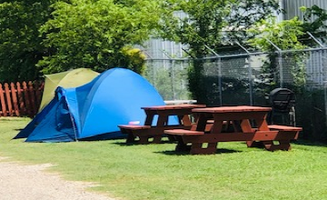
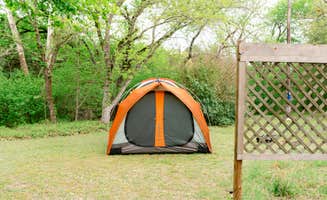
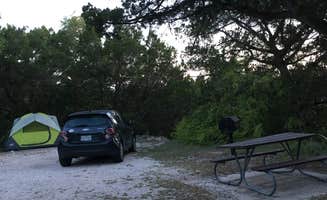
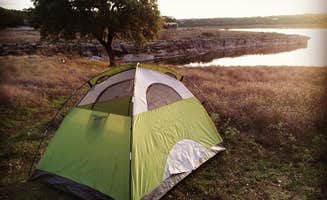
Primitive camping along the trail: The Sawyer Park Primitive Campsites provide a true backcountry experience. "This is primitive (dispersed) camping. There are a few areas with clear land or tent pads where you may camp. But there are also zones where you may simply camp wherever you can setup a tent or hammock," notes a reviewer of Sawyer Park Primitive Campsites. Bring sufficient water as access points to the lake are limited.
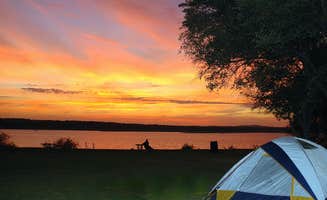
Water activities at lakefront sites: Access to Georgetown Lake varies by campground. At Cedar Breaks Park, "The sites along the outside of the loop have lake views and are level. The sites along the inside are scary unlevel! Some of the big rigs were backed in and jacked up 4 feet or so in front," reports one camper at Cedar Breaks Park.
Hiking the Goodwater Loop: This 26-mile trail circumnavigates the entire lake. "The Goodwater Trail is a 26 mile trail that will take you completely around the lake," explains a reviewer at Tejas Park. Mountain bikers should note the challenging terrain: "The trail is very rugged for bikes. The boat traffic on the lake was pretty low so it's a good place to take a kayak or canoe."
What campers like
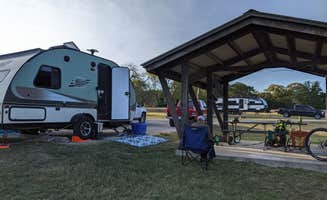
Covered picnic areas: Many Georgetown Lake campsites feature substantial shelters. At Cedar Breaks Park, "Each site has its own shelter with picnic table, grill and fire pit. Electric and water but no sewer," notes a camper. Another adds, "They have very nice shelters with concrete foundations at each site."
Spacious campsite layout: Jim Hogg Park offers generous spacing between sites. "This is a large campground with many sites, some of which are even double sites if you're camping with friends. A decent number of them are lake front and all have a cement covered pad for the picnic table," explains a visitor at Jim Hogg - Lake Georgetown.
Clean facilities: Despite the rustic setting, campgrounds maintain good standards. "The campground is well-maintained with spacious sites. Many of the sites are wooded. Each site has a shelter with a concrete base. The sites have water and electric," reports a Jim Hogg Park camper.
What you should know
Varying levels of development: Georgetown Lake campgrounds range from primitive to full-service. Tejas Park offers basic amenities: "This is at the head of a trail, just near the river. The campsites are spacious, easily allowing our 2 tent set up, but if set up well, they could potentially house 3-4 2-person tents," notes a visitor at Tejas Park.
Limited shade at some sites: Tree cover varies significantly between campgrounds. At Jim Hogg Park, one camper reports: "Not a lot of shade, but sites are OK." Another adds: "Spent a day by the water but our spot didn't have shade so we moved inland under the trees and it was much more comfortable."
Weekend crowds: Expect busier conditions Friday through Sunday. A visitor to Jim Hogg Park notes: "As said before, its very crowded, especially on the weekends. The lot does have electric and water hookups and sewer at the exit gate as well as showers and dumpsters. The site is super clean."
Tips for camping with families
Beginner-friendly options: Berry Springs Park offers an excellent introduction to camping. "Berry springs as a park is gorgeous, if you want a quick weekend getaway without the frills this is the place to go. No water access and about two miles worth of trails. They have donkeys as well!" writes a visitor to Berry Springs Park & Preserve.
Day-use alternatives: When campsites fill up, day-use areas provide access to similar amenities. At Russell Park, "If you want a spotless bathroom, hike over to the underused day use area," suggests one camper. Reservations are required at most developed campgrounds.
Wildlife viewing opportunities: Children can observe native species safely. "The park is located next to clear spring fed river for swimming and fishing," notes a Berry Springs visitor. The park's history provides educational opportunities: "The former ranch has a lot of history dating back to the Texas Pioneer days."
Tips from RVers
Site levelness challenges: Many Georgetown Lake sites require significant leveling. At Cedar Breaks, a reviewer cautions: "The sites along the outside of the loop have lake views and are level. The sites along the inside are scary unlevel!" Bring extra leveling blocks for interior sites.
Dump station logistics: Jim Hogg Park offers limited waste disposal facilities. "Dump station is at entrance of park and park is fairly large to haul a portable dump tank," notes a reviewer at Russell Park. Consider this when selecting your campsite location within the park.
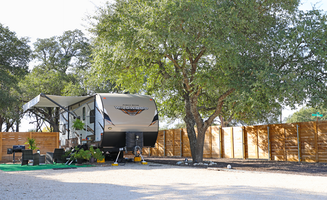
Commercial alternatives nearby: For full hookups, privately operated campgrounds provide additional options. Berry Springs RV Park offers "good customer service" and is "convenient and affordable" according to visitors. Another notes it's "a mile or so off of I-35 which makes this easy to access."











 Scout
Scout


