Round Mountain sits in the Texas Hill Country at approximately 1,310 feet above sea level, surrounded by rugged limestone terrain and juniper woodlands. The region experiences hot summers with temperatures regularly exceeding 95°F and mild winters that occasionally dip below freezing. Camping conditions vary dramatically between seasons, with spring offering wildflower displays along hiking routes and summer requiring careful hydration planning.
What to do
Cliff jumping: Lake Travis: At Pace Bend Park - Lake Travis, visitors can access multiple cliff jumping spots along the park's limestone edges. "My favorite part about this campsite is the ability to cliff jump into a lake. I love the water and this campsite was perfect for me," notes Aaron S. The cliff heights range from 15-25 feet depending on lake levels.
Explore limestone caves: Located 25 minutes from Round Mountain, Inks Lake State Park Campground offers unique geological features to explore. "Take a jump off the cliffs at Devil's Waterhole," recommends Jennifer J. The small caves behind the waterfall areas can be accessed using headlamps, though snake sightings have been reported.
Mountain biking: The Goodwater Loop trail system provides challenging terrain for riders. "The trail is very rugged for bikes," Laura F. mentions about the 26-mile trail at Lake Georgetown. The trail connects multiple parks including Tejas Park, where "there is plenty of trail to hike as it's connected with the good water loop."
What campers like
Private waterfront sites: Campers frequently mention the spaciousness of waterfront camping spots as a standout feature. "Lots of spots on the lake. They do have gazebos at each spot," reports Ryan G. about Jim Hogg - Lake Georgetown. Sites 19-35 (odd numbers) and 36-42 (even numbers) are recommended as "the most level sites with the best lake views."
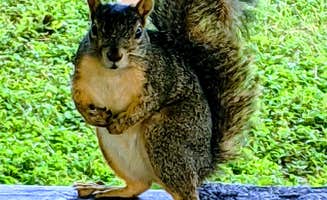
Wildlife viewing opportunities: The natural areas around Round Mountain support diverse wildlife populations. "Every time I've been there there have been tons of deer, probably the name sake of this place," notes Whitney L. about Muleshoe Bend. Coyote howling is commonly heard at night in rural camping areas, particularly at Tejas Park where campers are advised to properly store food.
Swimming holes with clear water: Natural swimming areas provide relief from summer heat. "The creek extending from the swimming area eventually leads to Lake Travis. There's a trail that goes along the creek for awhile, past the second waterfall and some nifty formations on the cliffs," explains Emily M. about Krause Springs. A rope swing for water access adds to recreational options.
What you should know
Seasonal water level fluctuations: Lake levels vary significantly throughout the year affecting campsite selection and water access. "During periods of high water, water crossing may be flooded," warns Dan N. about trails at Tejas Park. Conversely, drought conditions can leave creek beds dry during summer months.
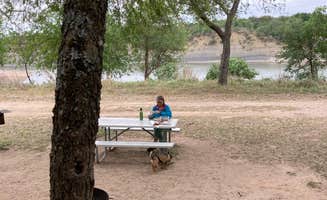
Primitive camping limitations: Several parks offer primitive sites with minimal services. "The sites have a pad to set up your tent, along with fire rings and plenty of shade," explains Steve L. about primitive camping at Tejas Park. Most primitive areas lack electrical hookups and have vault toilets rather than flush facilities.
Flash flood risk: The Hill Country geography creates rapid runoff during storms. "Made me aware of how serious flash flooding is here. Respect weather warnings!" advises Faith S. about Pedernales Falls. Campers should monitor weather forecasts, particularly when camping in riverbed areas or low-lying sites.
Tips for camping with families
Accessible swimming areas: For families with children, select campgrounds with gentle water entry points. "The park has great hiking trails, campsites, and water activities. Grab a kayak and paddle up and down Inks Lake," suggests Jennifer J. The Devil's Waterhole area at Inks Lake offers both shallow areas for younger children and deeper spots for older kids.
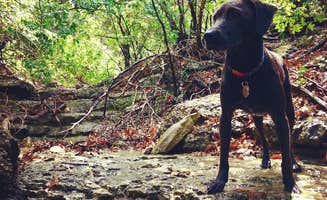
Dog-friendly trail selection: When bringing pets, choose trails with adequate shade and water access. Tim W. notes that Muleshoe Bend has "10 miles of hiking/biking trails that are mostly under tree cover," making it suitable for dog walks during warmer months. Many trails connect directly to campsites for convenient morning walks.
Campsite proximity to facilities: With children, bathroom access becomes important. At Pedernales Falls State Park Campground, "The camp ground is wonderful. Very spread out and wooded for privacy between the campsites," according to Kaitlyn M., who adds it's "Extremely dog friendly!" Sites with nearby restrooms typically fill first during reservation periods.
Tips from RVers
Site leveling challenges: Many Round Mountain area campgrounds feature uneven terrain requiring careful setup. Karen H. warns about Cedar Breaks Park: "The sites along the inside are scary unlevel! Some of the big rigs were backed in and jacked up 4 feet or so in front. Saw a lady break her ankle stepping out of her camper." Bringing additional leveling blocks is recommended.
Low clearance warnings: Tree canopy poses hazards for taller rigs at some campgrounds. Brandi W. cautions about Krause Springs: "My only warning is low hanging trees everywhere. I couldn't imagine trying to navigate the campground in a 5th wheel or class A. You could do some rooftop damage." Cedar Bend RV Park offers "level and spacious sites, which is important for RVs to ensure stability and ease of setup."
Dump station accessibility: Consider dump station locations when booking longer stays. "The main downsides are the pure number of campsites in one park and the fact that there's only one dump station for all of them!" notes Laura F. about Jim Hogg Park. At some larger facilities, dump stations are positioned at entrances requiring significant travel from distant campsites.















 Legend


