The Francis Marion National Forest region receives approximately 50 inches of annual rainfall with high humidity levels during summer months, creating lush woodland environments for pet friendly camping near McClellanville, South Carolina. The coastal plain elevation ranges from sea level to 20 feet, with minimal topographic variation throughout camping areas. Most campsites in the region feature sandy soil with maritime forest vegetation dominated by pine and oak species.
What to do
Wildlife viewing opportunities: 5-mile self-guided nature trails at Santee Coastal Reserve connect directly to campsites where visitors can spot diverse bird species and occasionally alligators. "Very nice area. Roads were very good. Site was very large and very nice. Recommend bug spray, bring your own firewood as local wood is damp. Highly recommend this spot," notes David B. from Santee Coastal Reserve.
Disc golf course: 18 holes available at James Island County Park with rental equipment available at park headquarters for $5 per day. "Wonderful park with plenty of amenities! We stayed here in October when the water park/pool was closed, but there was still plenty to do with bike rentals and the outdoor adventure area," reports Nick & Allyssa S. from Campground at James Island County Park.
Cycling trails: 8 miles of forest service roads accessible from Honey Hill Recreation Area with minimal elevation changes suitable for beginner and intermediate riders. "We were there on a Monday and only one other camper there. Nice and quite with lots of trails in the national forest," explains Charles J. from Honey Hill Recreation Area.
Seasonal hunting: Available by permit in designated zones between September and January, with camping restrictions during peak hunting periods. "This spot was good enough but there were a lot of people driving in and out through the night, like 2-3am. We wouldn't stay here again unless we had to. Toilets and water available," cautions Natalie B. regarding traffic during hunting season.
What campers like
Private campsites: Generously spaced sites at Elmwood Recreation Area offer natural buffers between campers. "We parked under a gorgeous live oak dripping in Spanish moss which was backlit by the morning sun. We decided to stay for a few days and explore the area," shares Shari G. from Elmwood Recreation Area.
Night sky viewing: Minimal light pollution at Halfway Creek creates opportunities for stargazing from multiple open field camping locations. "I stayed out here for a full night. The area has been cleaned up and a few times during the day and night a police officer patrolled the area. Just smiled and waved," notes Cori B. from Halfway Creek - Dispersed Camping.
Wildlife sounds: Nighttime frog chorus and owl calls create natural soundscapes at many forest camping areas. "It was nice hearing the bull frogs in the overnight as well as the owls. Ensure you have some type of insect repellent as the mosquito population is not lacking. Sites are open and have plenty of room," advises Dave A.
Fishing opportunities: Multiple freshwater and saltwater access points within 10-15 minute drives from campgrounds. "This camp ground also had a boat landing on the inter coastal waterway," mentions Summer A. about the convenient water access from camping locations.
What you should know
Insect preparation essential: Mosquito density varies dramatically by season with peak populations from May through September. "Really really loved this campsite. I just wish the mosquitoes were less relentless. I can only imagine how bad they can be during the summer. Make sure to bring the entire arsenal of bug deterrent when coming here, or pay the price!" warns Sam S.
Water availability limitations: Most primitive sites lack reliable water sources with only seasonal access at some locations. "The water spigot didn't work but there were vault toilets. Big fire tower in the middle that is fenced off," reports Charles J. about facilities at Honey Hill Recreation Area.
Cell service inconsistency: Coverage varies significantly by provider with most reliable signals at campgrounds closer to Highway 17. "Useable Verizon & T-Mobile. It's down a couple miles of gravel road in really good condition," notes Steve W. about connectivity at remote camping locations.
Road conditions: Many access roads unpaved but generally well maintained except after heavy rainfall. "The road in is well maintained. Also the Verizon cell signal is good. I can connect to all apps, send & receive videos and connect online to work if needed," adds Andy K. about accessibility at forest camping areas.
Tips for camping with families
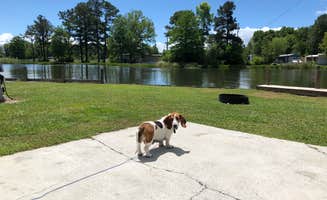
Water activities: Beach alternatives at Mount Pleasant Charleston KOA offer swimming options with fewer natural hazards. "We stayed here for a week in the summer and loved it. Our site was very close to the lake and we had a great view. We were also right beside the pool and playground area so it was convenient to walk over," shares Ashley W. from Mount Pleasant-Charleston KOA.
Educational opportunities: Historical sites within 15-minute drives provide learning experiences between outdoor activities. "Jim told us that it was around this site that General Francis Marion gathered his forces to fight the British in a decisive revolutionary war battle. He said they mainly subsisted on the sweet potatoes grown here," recounts Robert G. about local history shared by other campers.
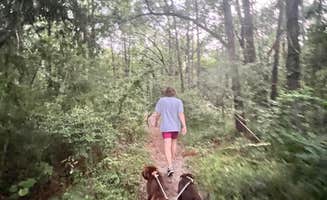
Tick prevention strategies: Treat clothing and gear before arrival due to year-round tick presence in forest environments. "All sites seem to have trails leading from the site into the woods," mentions Andy K., highlighting the easy access to wooded areas where tick awareness becomes important.
Weather monitoring importance: Coastal storms can develop quickly affecting camping conditions with minimal warning. "My grandchildren and I went for traveling time there the first night there was a flash flood," explains Brenda L. about unexpected weather impacts during her camping experience.
Tips from RVers
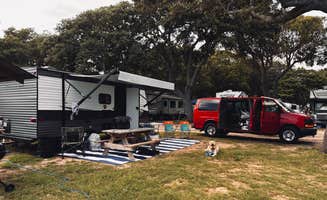
Site selection priorities: Corner sites at Honey Hill Recreation Area provide better access angles for larger vehicles. "Nice large sites mostly shaded but I managed to find one that gets enough sun for my solar panels. All sites are flat and have concrete tables and some fire pits," recommends Andy K. about positioning RVs at campgrounds.
Power alternatives: Solar setups work well at most McClellanville area campgrounds due to partial tree cover allowing adequate sun exposure. "I found it hard to believe that with over 100 sites there was only 2 restroom/shower facilities and every time we tried to use the showers, there was a waiting line," Stuart K. shares about infrastructure limitations at busier campgrounds.
Length restrictions: Most primitive forest sites accommodate RVs under 30 feet with limited turning radius on forest roads. "Big gravel loop with about 10 sites under the pines. Water spigot didn't work but there were vault toilets. Big fire tower in the middle that is fenced off," notes Charles J. about the camping layout at Honey Hill.
Local resupply options: Limited grocery availability within 25 miles requires advance provisioning for extended stays. "10 minutes away, at the Highway 17 intersection are gas stations & mini markets, so if you need some basic supplies, things are right down the road," advises Adam V. about necessities for pet friendly camping near McClellanville.










 Traveler


