Tillamook State Forest offers camping experiences in Oregon's dense coastal range where elevations range from 500 to 3,000 feet. The area receives heavy annual rainfall, creating lush vegetation and multiple river systems throughout the forest. Winter camping requires preparation for temperatures that can drop below freezing, while summer brings milder conditions with daytime temperatures typically in the 60-70°F range.
What to do
Horseback riding on the beach: Near Nehalem Bay State Park Campground, visitors can experience guided horseback tours along the shoreline. "Great dune area. Always horses riding on the beach too. Super neat experience," notes Jamie B. The park offers various riding options including evening rides during summer months.
Crabbing and fishing: The coastal area provides excellent seafood harvesting opportunities. "Nehalem Bay is beautiful, and it's just down the road from two jetties. My family and I went crabbing just a ways away from the state park, and it was a beautiful day and a lot of fun," says Aaron R. Local knowledge suggests checking tide tables before planning these activities.
Historical exploration: Fort Stevens State Park Campground offers educational opportunities beyond traditional forest activities. "This is a great campground with a lot of sites. Visiting the Iredale shipwreck especially at sunset is beautiful. Also visiting the forts and cannons are fun," recommends Gail S. The maritime museum in Astoria makes for an excellent day trip from the forest campgrounds.
What campers like
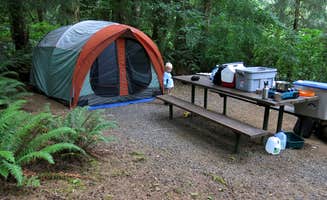
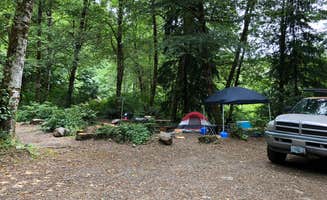
Privacy between sites: Many Tillamook State Forest campgrounds feature natural separation between campsites. At Cape Lookout State Park Campground, "We love how much privacy is usually found between sites. For the most part, trees and bushes are substantial enough to make your site feel like you have your own sanctuary," explains Nathan R.
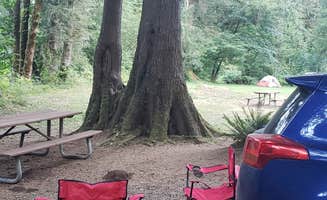
River access: Waterways feature prominently in camper satisfaction. "We had site 24 and it was level with plenty of shade. Each site has a table and fire ring, no wood available for purchase. The site is secluded, quiet, and on the river front," reports Deacon J. about Henry Rierson Spruce Run Campground.
Swimming opportunities: The forest's river systems provide natural water recreation. "River is nice but bring a tube; shallows are too rocky to really play in and then it gets deep. Gentle water otherwise," advises Brent W. Many campers mention water activities as a primary draw during summer months.
What you should know
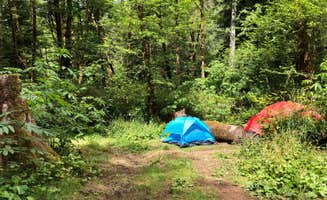
Road conditions: Many forest roads require careful navigation. "Road is fine and easy. AWD is nice but isn't necessary if the road is fairly dry," notes Seth M. about Tillamook State Forest Dispersed Camping.
Mosquitoes: Insect protection is essential, particularly in warmer months. "Bring mosquito repellent!" warns Gail S. The dense forest vegetation and numerous waterways create ideal conditions for mosquitoes, especially in areas closer to the coast.
Cell service limitations: Communication can be challenging throughout the region. "No cell service while we were there (except the option for satellite for emergencies and whatnot)," reports Mariah W. about Cook Creek. Verizon service is particularly spotty throughout the forest's interior sections.
Reservation requirements: Campsite availability varies widely by location and season. "We originally booked one night thinking we were just going to pass through before heading back into the city (Portland)," explains Tyler F. Many popular coastal campgrounds require reservations months in advance for summer weekends.
Tips for camping with families
Bike-friendly options: Several campgrounds feature paved loops ideal for children. "Nice paved loop for kids to ride bikes. All stores are back in but there's a decent bit of room between stores, especially compared to some PNW coast campgrounds," says C M. about Barview Jetty County Campground.
Indoor alternatives: For unpredictable weather, consider campgrounds with structure options. "The yurts are great for months where weather is unsure," suggests Kristi R. Several Tillamook area parks offer yurts and cabins, which typically require advance reservations.
Water safety planning: Rivers in the area can have unexpected depth changes. "The river is a blast to float and the kids have to disconnect from all devices (no service)," shares Bekki M. Parents should bring appropriate flotation devices even for apparently calm water areas.
Tips from RVers
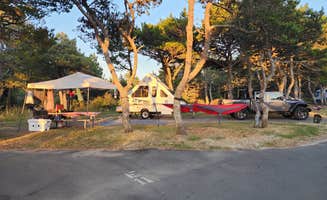
Size considerations: Many forest campgrounds have limited space for larger vehicles. "Sites are small, close together, and just barely fit the equipment they are tagged to fit," cautions Jamie S. about Sea Ranch Resort.
Hook-up availability: Full-service options exist primarily at commercial and state park campgrounds near the forest. "There's a pool and spa. There's also a lodge with a game room and laundry. Full hookups," notes C M. Most dispersed forest camping areas offer no services.
Road navigation challenges: Access roads can present difficulties for larger rigs. "Would be tough with large RV travel/trailer," warns Jonathan R. RVers should research specific road conditions before attempting to access remote forest campgrounds.






 Guide
Guide


