Cabin camping sites near Branchville, New Jersey sit at elevations between 900-1,800 feet in the Kittatinny Mountains. The region experiences distinct seasons with summer temperatures averaging 70-85°F and winter lows frequently below freezing. Most campgrounds in this area maintain open status from April through October, with select facilities offering year-round accommodations for those seeking winter cabin experiences.
What to do
Hiking the Appalachian Trail: 12 miles accessible from High Point State Park Campground. The trail sections vary in difficulty with connections to panoramic viewpoints. "I spent two nights camping with my niece and this campground was perfect. We fit in a hike up to the Appalachian Trail from our campsite, swam at the pond (Lake Marcia), and got in a fishing session at Steeny Kill Lake," shares Justin P.
Waterfall exploration: 5-10 minute drives from most campgrounds lead to impressive cascades. "Waterfall in pic was a 5 min drive from the campground and then a 40 min hike. Worth it!" notes Rob M. about adventures from Dingmans Campground. The region features multiple falls with varying accessibility levels throughout spring and summer.
Lake activities: fishing, kayaking, swimming at Swartswood State Park Campground. "The lake is beautiful! Great for swimming and fishing. There are several trail hikes that you can do from the campsite. The longest is 3 miles but you can connect between each trail to make a longer hike," explains Ethan K. Most lakes in the area permit non-motorized boats and fishing with valid New Jersey licenses.
What campers like
Cabin amenities: small kitchens and woodstoves at Stokes State Forest. "We stay in the cabins. It's great to have the small kitchen when camping with the family. A must see campground," says Amy B. The cabins feature varying layouts with some offering separated kitchen and bathroom areas from the main room.
Privacy between sites: natural vegetation buffers create separation between camping areas. "Enjoyed a great weekend at Stokes State Forest. We stayed at the campsite at Lake Ocquittunk Area. Campsite was very spacious and had a platform where we were able to fit two tents. There was plenty of space on the site for more tents," reports E.M.V. Most forest campgrounds maintain natural spacing between sites to preserve the woodland experience.
Clean, modern facilities: newly built bathrooms at multiple locations. "The bathrooms / showers are the cleanest we've ever seen at any campground. They are newly built or refurbished and spotless," reports Rob M. about Dingmans Campground. Many campgrounds have upgraded their facilities in recent years with single-stall showers and accessible options.
What you should know
Winter cabin preparation: pack extra firewood when staying during colder months. "I went through two bundles of wood in one night, and could have used more in the morning. The second time I took six bundles of wood and used them all from Friday to Sunday morning, and 7 would've have been better," explains W.L. about Stokes State Forest cabins. Winter temperatures regularly drop below freezing, requiring consistent heating.
Bear safety requirements: proper food storage essential. "Remember, this is bear country so proper food storage is a must. Bear lockers are not provided. The area also has ticks and rattlesnakes," warns Trip Over Life from their Steam Mill Campground stay. Most campgrounds require food storage in vehicles or bear-resistant containers, especially during summer months.
Site selection considerations: elevation and proximity to water. "If you are looking for more secluded campsites try to get 13 or 14 as they seem to stick back more. Sites 8-11 are adjacent to the road and in peak times probably have a fair amount of foot and vehicle traffic," advises Josh S. about Lake Ocquittunk sites. Campground maps often indicate site features but may not accurately represent elevation changes.
Tips for camping with families
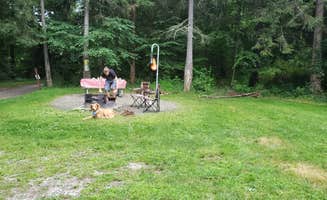
Reservations timing: book 6+ months ahead for summer weekend stays, especially for pet friendly camping near Branchville, New Jersey. "Panther Lake was a pretty good campground with lots of spots to camp at. Our campsite had a picnic bench and a fire ring. They offer both RV and primitive camping. The grounds were fairly large and each campsite gets their own space with decent privacy. The lake and pool were a big plus, especially for hot days," explains Ethan K. about Panther Lake Camping Resort.
Kid-friendly activities: lake swimming and fishing available at most campgrounds. "Big campground, lots of sites, nice pool, big community hot tub, boating is great, good fishing, nice playground, basketball court and great amenities," describes Richard V. about family amenities. Many sites offer scheduled weekend activities during peak summer months.
Cabin options for easier stays: wood stoves for heat provide comfort for families with young children. "The cabins are reasonably priced and well-appointed, if a bit rustic. The interior features are just what you'd expect for getting away for the weekend. The main room has a bunk bed and two twins, a table with benches, two Adirondack chairs, a wood stove set into a fireplace," notes W.L. about cabin features.
Tips from RVers
Site length considerations: check campground maps before booking RV sites. "Very clean and quiet. Website lists water hook ups at long distances but they have hose reels to help with that. Our site (15) said 75' however the 50' hose reel made it to our RV connection," explains a visitor to Mahlon Dickerson Reservation. Most campgrounds provide site measurements but may not account for irregular terrain.
Limited full hookup availability: book early for RV sites with all services. "Majority of sites are seasonal campers with LOTS of cottages. Only a handful of full hook up sites surrounded by seasonal cottages. Other area of the place had water and electric but it would be hard to get in/out of if it had rained a lot as it was all on soft grass," warns April L. about camping options. Many campgrounds prioritize tent camping with limited RV infrastructure.
Driving access challenges: tight turns on forest roads require caution. "The RV sites for a bigger camper are tight squeezes. If you are not comfortable with lots of tight turns I would not recommend for you!" advises Jackie about navigating forest campgrounds. Most campgrounds were designed before larger RVs became common, creating navigation challenges on older access roads.











 Legend


