Round Valley State Park in Branchburg features a 2,350-acre reservoir reaching 180 feet deep at its center. Camping sites near Branchburg sit at elevations ranging from 400 to 800 feet, with summer temperatures averaging 75-85°F during peak camping season. Winter camping options are limited, with most campgrounds operating between April and October due to the region's cold northeast winters.
What to do
Hiking at Voorhees State Park: Just 20 miles from Branchburg, the park offers "well-maintained hiking trails, camp sites, with play grounds and an observatory" according to Jocelyn G., making it ideal for stargazing campers.
Visit Ringing Rocks Park: Near Ringing Rocks Family Campground, "the rocks really do ring when hit with another rock" as Kathie M. notes. Bring a hammer to create metallic sounds from this unusual geological formation. The park is approximately 30 minutes from Branchburg.
Kayaking the Delaware River: Multiple campgrounds provide river access. At Camp Carr Campground, Jim B. describes "excellent view of the South Branch and extremely relaxing" with sites directly on the river. Rentals are available seasonally at several locations.
Winter astronomical viewing: Some parks remain accessible for day use during winter. "Voorhees State Park Campground has an observatory" per Jocelyn G., offering structured night sky programs year-round, though camping is seasonal from April through October.
What campers like
Privacy at secluded sites: At Jenny Jump State Forest, Kelsey K. reports, "it was so private we felt like we had the entire Park to ourselves." Many campsites throughout the region offer similar seclusion, especially at primitive sites.
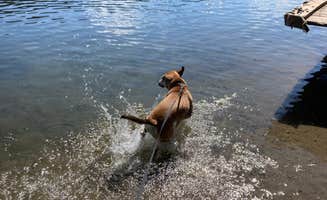
Natural swimming areas: Though swimming regulations vary, several parks offer water access. Washington Crossing State Park provides "the camp ground is secluded and right on the Delaware River," according to Wayne S., though swimming is subject to seasonal restrictions.
Wildlife encounters: Mountainview Campground in Little York offers exceptional wildlife viewing. Christina H. reports, "I've never heard so much wildlife there as I did here. Only shortly after we settled into our tent did we hear foxes fighting right outside our tent, the snorts of deer, and there were bats right above us all night making noise!"
Winter hiking options: Several parks maintain trails year-round. "Jenny Jump State Forest is high up on a mountain and affords lovely views," reports Jocelyn G., making it suitable for winter day hikes even when camping facilities are closed.
What you should know
Seasonal restrictions: Most campgrounds operate April through October. Melissa N. from Camp Carr notes, "Right now during Covid the restrooms are not available so they do not allow tent camping. You must have a trailer with your own restroom and shower." Always check current policies before planning your trip.
Varying bathroom facilities: Bathroom quality varies significantly between parks. At Cheesequake State Park Campground, "there is only one bathroom facility on the property which we did not love. The facilities were clean so...yay!" according to Kendra P.
Highway noise at some locations: Some parks experience traffic noise. At Jenny Jump, Jocelyn G. mentions "my only complaint is that the noise from the highway was quite loud at night." Similarly, Cheesequake campers report hearing Garden State Parkway traffic.
Water pressure issues: Water systems at older campgrounds can be inconsistent. David B. from Jugtown Mountain Campsites experienced "some issue with the water pressure during the daytime. Only had 1psi of water pressure. Couldn't take a shower or wash dishes."
Tips for camping with families
Cabin options for beginners: For those new to camping with kids, cabins provide comfort. At Washington Crossing State Park, campers can experience history while enjoying shelter. "The 'shelter' is what we would describe as a 'cabin'; four walls, a roof, locking door, locking windows, large picture frame front window, four beds (two bunks), a wood burning stove, and a porch," reports Dwight D. from Jenny Jump State Forest.
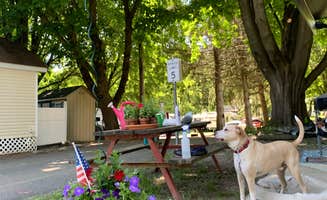
Pet-friendly camping restrictions: Many parks welcome dogs but have specific restrictions. Colonial Woods Family Resort welcomes pets but requires leashing, and some campgrounds charge additional fees. Kelsey K. mentions at Jenny Jump, "we did have to pay an extra $5/day for our dog."
Scheduled activities for children: Some private campgrounds organize regular events. Shannon C. notes that at Colonial Woods, "We went on Father's Day weekend and they had nice arts and crafts for the kids to do for dad." Similarly, Nicole S. reports, "They did a few activities the one we did go to was the casino night where they had separate play areas for kids and adults."
Off-season quieter experiences: For families seeking more solitude, consider shoulder seasons. Jim B. from Camp Carr notes, "Both times were for a single mid-week evening. Both times it was a positive experience," highlighting how timing affects crowding levels.
Tips from RVers
Site selection for hookups: At some campgrounds, site orientation matters for connections. Melissa N. advises, "We prefer even numbered sites as the hook ups for odd number are on the front side of the trailer unless the site is long enough to pull into or you have a motor home."
Portable dump tanks recommended: Not all campgrounds offer full hookups. "Sites are water and 30 amp electric only no sewer so I recommend bringing your own portable dump tank. They have a dump station for use when leaving," suggests Melissa N. from Camp Carr.
Navigating tight access roads: Many regional campgrounds have narrow, winding access roads. At Colonial Woods, Brian C. cautions, "The roads are very narrow, pretty sizable boulders on both sides, trees are very low and need to be trimmed." Consider arrival during daylight hours for easier navigation.
Water system preparations: Jessica A. from Jugtown Mountain Campsites recommends, "Water pressure was weirdly low," suggesting RVers fill onboard tanks before arrival rather than relying on campground pressure for consistent water supply.












 Legend


