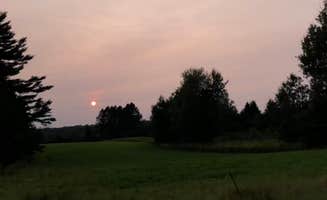
Superior National Forest offers numerous dispersed camping opportunities beyond the developed campgrounds. Lake Isabella Dispersed Open Field provides a secluded experience with sites set about 100 yards off the road. The area features a vault toilet approximately 300 yards away at the Boundary Waters Canoe Area Lake Isabella entry point. Vehicle access requires navigating unpaved forest roads that can become challenging after rain.
What to do
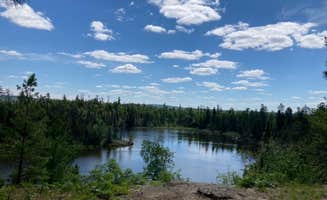
Hiking wilderness trails: Several rustic camping areas near Superior National Forest provide access to hiking networks. At Blackstone Lake Backpack Campsite, campers can explore "a maze of hiking trails to hike from the campsite, over rugged rocky terrain and to some of the most breathtaking vistas in the area," according to Janet R. The Fernburg Trail connects to numerous backcountry routes.
Kayaking and canoeing: Last Creek Kayak Site offers boat-in camping for paddlers seeking solitude. As reviewer Lesley R. notes, it's ideal "if you're a serious boater who loves a good challenge with the goal of spending buggy days in the thickets of the woods along Lake Superior." Water access sites require proper equipment and intermediate paddling skills.
Wildlife viewing: State Land near Lax Lake Area provides opportunities for wildlife observation. "If you like wilderness, rustic, resourcing wood for fires and pure relaxation in the woods, here's the place for you," writes Lesley R. Morning and evening hours typically offer the best wildlife viewing opportunities.
What campers like
Privacy between sites: Lake Isabella Dispersed Open Field offers significant separation between camping areas. Amy G. describes it as "fairly large and would easily accommodate any number of people. We were in a group of 4 with 3 dogs, and there was more than enough room." This spacing allows for a more private experience even when other campers are present.
Star viewing opportunities: State Land campsites provide excellent night sky viewing. A camper named TexasRed described their experience: "Had a fun night by the fire talking with the couple and looking at the stars. Overall very cool spot." The area's limited light pollution makes it ideal for astronomy enthusiasts.
Lake access: Big Rice Lake provides direct water access with convenient parking. According to Scott K., the "campground is small with 3 free campsites, all of which can fit a small RV or travel trailer. There is a boat landing with a vault toilet that was clean." These water-adjacent sites fill quickly during summer weekends.
What you should know
Bug preparation essential: Many rustic camping spots in Superior National Forest experience significant insect activity. One camper at Blackstone Lake noted they "got absolutely eaten alive by mosquitos the first night, tried to thug it out, and ended up leaving. I had long sleeves/pants and bug spray but it did not stop them." Bring head nets, permethrin-treated clothing, and multiple insect repellent options.
Limited facilities: Most dispersed sites have no amenities. At Lake Isabella Dispersed Open Field, Amy G. advises: "There is no potable water, so make sure to bring plenty. It's a long way back to a town to get more if you need it. We brought a 5 gallon jug with us and that worked for 2 days."
Seasonal considerations: Weather varies dramatically by season. Baker Lake Rustic Campground can experience temperature extremes, with one camper noting, "at night the temperature got really cold." Spring and fall camping requires additional cold-weather gear compared to summer visits.
Tips for camping with families
Safety planning: Baker Lake Rustic Campground provides isolation that requires proper preparation with children. Jasmine L. described it as "pretty scary to camp at. Its just you at night and the darkness. You are in a pretty big site and campsites are spread out pretty far apart." Establish clear boundaries and bring lighting for nighttime safety.
Water activities: Several lakes provide swimming opportunities during summer months. At Blackstone Lake, Janet R. notes you "have an amazing pristine lake to gaze at or swim in, or paddle on if you portage in a canoe or kayak!" Bring flotation devices for children even if they can swim.
Wildlife education: Superior National Forest offers numerous wildlife viewing opportunities. Teaching children about local plants and animals enhances the experience and builds environmental awareness. Morning hikes typically provide the best wildlife viewing.
Tips from RVers
Site access considerations: Big Rice Lake accommodates larger vehicles in specific areas. Pamela B., who traveled with a 40-foot fifth wheel, noted: "We decided not to stay in the 'formal' campground. There is an open spot near the lake where we set up for the night. The road to drive in is gravel but very smooth."
Limited turnaround space: Many forest roads have restricted turning areas. Lake Superior Overlook provides options for vehicle camping with Lindsey F. noting it's a "great spot for camping in your vehicle. Plenty of parking." Larger RVs should scout sites before committing to narrow forest roads.
Cell service variability: Some areas maintain limited connectivity. At Big Rice Lake, Scott K. reported "Verizon cell reception of 2 bars. I was able to stream YouTube video." Download offline maps and campground information before traveling to remote areas as service can be unreliable.





 Legend


