

B
Brynn O. Traveler
TravelerLostfork Basecamp
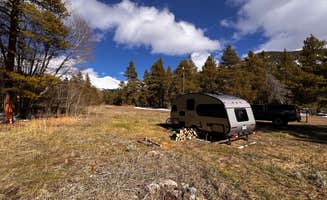
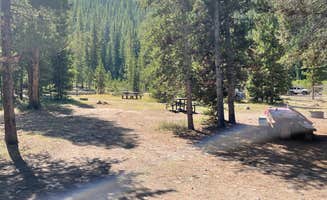
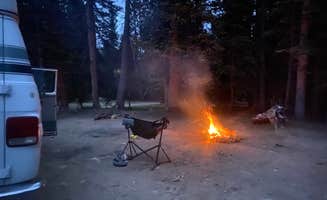
This place is incredible. The sound of the river alone will calm your nervous system. Whether you’re camping or staying in one of the cabins, you will not be disappointed.
511 campgrounds · Check availability for any dates.
Dispersed camping options abound in the mountains surrounding Climax, Colorado, with both free and established sites available throughout the region. Boreas Pass Road offers designated dispersed camping areas near Breckenridge, while developed campgrounds like Prospector and Peak One provide more amenities for tent and RV campers. The White River National Forest contains numerous camping areas, including Heaton Bay Campground which accommodates tents, RVs, and even cabins. Several sites around Leadville, including Baby Doe Campground, offer scenic mountain views and lakeside camping experiences at elevations typically above 9,000 feet.
Road conditions vary significantly throughout the camping areas near Climax, with many dispersed sites requiring high-clearance vehicles. Most established campgrounds remain open from late May through early September, though exact dates depend on snowmelt and weather conditions. Elevations in this region typically range from 9,000 to 11,000 feet, resulting in cool nights even during summer months. Cell service is limited in many areas, particularly at dispersed sites away from towns. Campfire restrictions are common during dry periods, and campers should check current fire regulations before their trip. A review mentioned that "the dirt roads to the lake are rough and narrow," highlighting the importance of proper vehicle preparation when accessing remote sites.
Lakeside camping receives consistently positive reviews, with sites near Turquoise Lake and Twin Lakes being particularly popular. Several campgrounds provide direct access to hiking trails, including connections to the Colorado Trail, making them excellent basecamps for day hikes or backpacking trips. Wildlife viewing opportunities abound, with moose, mule deer, and various bird species commonly spotted. Campers note that sites at higher elevations offer cooler temperatures during hot summer months but can experience rapid weather changes. Noise levels vary significantly between campgrounds, with those closer to highways experiencing more traffic sounds. As one visitor noted, "This became a favorite car camping spot of mine while living in Vail, Colorado. The lake is situated in White River National Forest and is accessible only for a few months during the summer."
"Roadside pull off areas. Mostly one lane dirt, can be tight and bumpy. Best for truck camper, small RV or tent. Don't get discouraged if the 1st spots are full just keep driving."
"While many of the campsites are quite small and located right along the roadside with limited parking, we were lucky to find a fantastic, more spacious spot."
"Located on Dillon Reservoir, Prospector Campground offers a nice balance of feeling remote while being conveniently near some really neat towns."
"Great views of lake dillon and each spot is tucked into trees so you don’t see neighbors even if you can hear them. Short Hiking trail connected to the campground plus so many trail options close by"
from $27 / night
Check Availability"You can tell the campground is a relatively recent development, but they planted enough pines that they have finally grown tall enough to hide the nearby town—while remaining short enough to preserve the"
"As someone who prefers wild camping, it was definitely not that, but was one of the more positive campground experiences I've had."
from $28 / night
Check Availability"Heaton Bay Campground, located near Dillon Reservoir in Colorado, offers a stunning lakeside camping experience with breathtaking views of the surrounding mountains."
"Bring your fishing pole, SUP, kayak, or hammock to hang out by the lake. This is my favorite campground in Colorado for the accessibility to the lake and town nearby."
from $29 - $56 / night
Check Availability"I arrived around 4:00 in the afternoon on a Friday and there were still a few sites available."
"Great little spot right off the highway for an evening of camping, or longer. There is a bit of foot traffic with hikers coming in but still really peaceful."
"Just west of Leadville Colorado sits Turquoise Lake at an elevation of around 10,000 ft. Baby Doe Campground is one of the few camps that are situated around the lake on its east side."
"Some of the sites are close to each other. It is a short walk to the waterfront. The nature trail around the lake is awesome!"
from $29 - $33 / night
Check Availability"Spent 2 quiet nights here in this roomy and quiet campground adjacent to the Colorado and Continental Divide Trail. Lots of great hiking and just 25 minutes north of Leadville."
"Other spots perfect for our trailer with views are : sites 11 (near toilets), 14 and 15. The cons: There was no cell phone service for us (t-mobile) or water / electricity."
from $25 / night
Check Availability"Homestake Road is your gateway to a variety of off-road and primitive camping sites in the beautiful White River National Forest. We spent two nights here, each night at a different campsite."
"Campsites with fire rings close to the river. Fishing and off-roading are added attractions to this area. Will definitely make a second trip here outside of holidays."
"It’s right next to the stream which my pup was able to cool off many a times. We had neighbors (only one close by site) the other sites were up wheeler trail more."
"I would recommend a 4x4 or offroad vechicle for most of the pull off roads in the area. Campsites have signs designating them and fire rings. Look for signs and pull offs from the main road."
"They kept packages for us as we did the colorado trail and it was great each time we stayed. Thanks sugar loafin!"
"Tucked up on the edge of the woods this little gem is only 3 miles from Leadville."
from $40 - $150 / night
Check Availability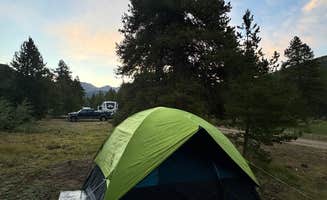
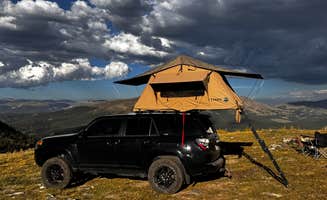

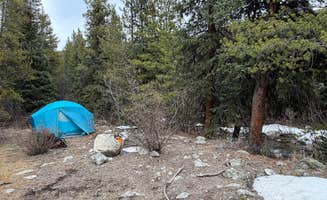
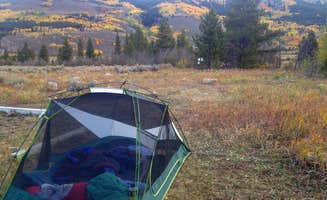

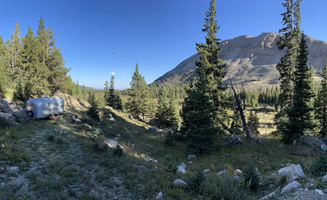

 Traveler
This place is incredible. The sound of the river alone will calm your nervous system. Whether you’re camping or staying in one of the cabins, you will not be disappointed.
 Scout
ScoutNice area with lots of spots, and a few that will work for a camper van. Gravel road that’s well maintained on the way up. Some road traffic but not too bad. No major views, but peaceful and easy to get to!
ScoutSmall campground with nice size sites.

 Ranger
This place was beautiful. The rough road was worth it. There were trails all around the grounds. The lake was beautiful and absolutely a fisherman’s paradise. There was no water available and the main water was turned off, but they had plenty of clean porta-potty’s. There were plenty of spots open and we were able to reserve our spot online after we picked it.
 Scout
ScoutLake Wellington is a beautiful family and dog friendly campground just about 90 minutes from Denver. There are 75 sites, and even when it's pretty full they are decently spaced out that you don't feel too on top of other guests. We brought our dogs and a group of friends and had a great few nights, even seeing Bald Eagles mating!
 Traveler
This is BLM land there are places to park and pick a spot. Set up your tent. Then you walk (about .66 miles) into the were Cache Creek is located. You can pan for Gold and rockhound. No mechanical dredge allowed. Camped here for three nights. No fresh water to drink you have to bring your own in. One lonely port-a-potty available. I brought our own port-a-potty. Made the visit run smoothly. No where to dump trash. You have to take the trash you make out with you. I am heading there fir a second time this fall.
TravelerSo beautiful, dispersed camping at 11,200 feet surrounded by mountains. Area is busy with day hikers, go past the parking lot and set up at one of the handful of spots. Definitely for small rigs or tents, don’t come up here with a non 4x4 vehicle, and trailers would be close to impossible.
TravelerIf you are going to camp at a lakefront spot definitely have something you can sit in else you will be attacked by flies. Super quiet during the week - got busy over the weekend.
ScoutClose to the road but also the Arkansas river, decent service for the area. Not an area for trailers
Dispersed camping near Climax, Colorado ranges from high-elevation alpine areas at 11,000+ feet to more sheltered forest sites around 9,000 feet. The region's camping season typically runs from late June through early October, with snow possible even during summer months. Night temperatures at campsites near Climax routinely drop below 40°F even in July and August, requiring campers to pack appropriate cold-weather gear regardless of season.
Paddle on Turquoise Lake: Camp at Baby Doe Campground for easy lake access. "Turquoise Lake is beautiful with fishing, boating, and hiking available. Short drive from Leadville. Be sure to bring warm clothes for nights because it's gets chilly at night," notes one camper.
Hike the Continental Divide: The Camp Hale Memorial area connects to major trails. "Spent 2 quiet nights here in this roomy and quiet campground adjacent to the Colorado and Continental Divide Trail. Lots of great hiking and just 25 minutes north of Leadville," explains a visitor.
Mountain biking from camp: Peak One Campground offers direct trail access. "Convenient to town and all that Frisco/Dillon has to offer, but also right on the perimeter trail (6-mile dirt) and also the Dillon Reservoir loop (18-mile paved). Our site had a small path right to the beach."
High-altitude stargazing: Multiple sites near Hoosier Pass (11,000+ feet) offer exceptional night sky viewing. "Traffic noise is minimal as lots of trees and at night so peaceful. Wonderful spots for camping off the road," reports one camper.
Winter wildlife viewing: Homestake Road's dispersed sites attract diverse wildlife. "During our stay, we were woken up early in the morning by a mountain lion, saw 3 moose cross the river about 100 yards from the camper, and saw a huge mule deer buck hanging out in the bushes near the river several nights in a row."
Group-friendly sites: McCullough Gulch Designated Dispersed Camping offers larger spaces. "Very nice wooded area that even 2 smaller trailers could camp in. Lots of nice places for tents. Might be a good group camping area," explains one camper who found it ideal for multiple setups.
Road conditions vary significantly: Many sites require appropriate vehicles. "Road gets pretty rough pretty quick, there's only like 3 of the sites I'd consider accessible with a low clearance vehicle," notes a camper about Hoosier Pass camping areas.
Early reservations essential: Popular established sites fill months ahead. "Book in advance, sites get locked in 6 mos in advance, for good reason!" warns a Baby Doe camper.
Campground host interactions: Some campgrounds have strict enforcement. "The hosts had our whole family on edge once quiet time started for 3 nights in a row. Won't be back," noted a camper at Baby Doe, while others report positive experiences at different campgrounds.
Cell service limitations: Most sites have minimal connectivity. "You could possibly set up starlink as the tree coverage is not completely full," suggests a camper about Hoosier Pass, implying traditional cell service is unreliable.
Kid-friendly amenities: Sugar Loafin' Campground offers family conveniences. "All in all...I highly recommend this campground! The bathrooms are clean, have private showers, well lit at night and surprisingly modern," notes a visitor, though another mentioned the "kids play area needed attention."
Altitude considerations for children: Campgrounds above 10,000 feet can affect kids differently. "Being at a higher elevation, one person in our group did experience some mild altitude discomfort, even though we're from the Denver area—something to keep in mind if you're sensitive to elevation changes," reports a Boreas Pass camper.
Insect protection: Mountain lakes often have significant mosquito populations. "I was really surprised at how bad the mosquito's were at the lake and at this elevation, definitely the worst mosquito experience I had while living in Colorado," warns a visitor to Turquoise Lake.
Weather preparation: Dramatic temperature shifts affect families most. "Being from Alabama, I couldn't handle the snow in June while in a tent," reported one Sugar Loafin' camper who cut their trip short by three days.
Limited large rig options: Most dispersed sites accommodate smaller setups only. "We arrived here on a Friday afternoon in late August 2024 and were pleasantly surprised to find several spots still available, even later in the day. While many of the campsites are quite small and located right along the roadside with limited parking, we were lucky to find a fantastic, more spacious spot," notes a camper at Boreas Pass.
Narrow access roads: Many forest roads require caution. "I would definitely come back just to look at the view! About 12 miles deep the road turns very rocky, didn't go through there since it started raining and wanted to find a place to stay for the night," cautions a Boreas Pass visitor.
Elevation affects RV performance: High altitude impacts propane efficiency and generator function. "10,200 feet up in the Rockies, big sites, clear Alpine lake full of trout," notes a Baby Doe camper, referencing the elevation that affects RV systems.
Loop selection matters: At Heaton Bay Campground, RVers suggest specific areas. "There is no water to fill your tank unless you're a lucky one who got loop C. There also isn't a dump anywhere and of course no power (not unusual)," warns an RVer about facility limitations.
Frequently Asked Questions
What camping is available near Climax, CO?
According to TheDyrt.com, Climax, CO offers a wide range of camping options, with 511 campgrounds and RV parks near Climax, CO and 205 free dispersed camping spots.
Which is the most popular campground near Climax, CO?
According to TheDyrt.com, the most popular campground near Climax, CO is Boreas Pass Road Designated Dispersed Camping with a 4.5-star rating from 43 reviews.
Where can I find free dispersed camping near Climax, CO?
According to TheDyrt.com, there are 205 free dispersed camping spots near Climax, CO.
Keep Exploring