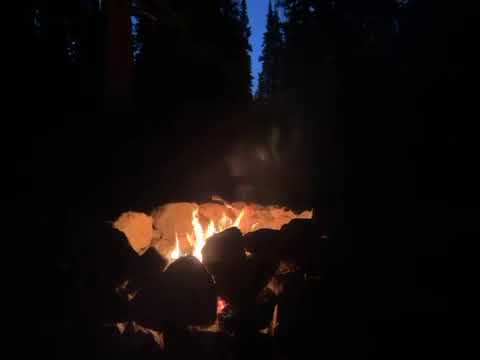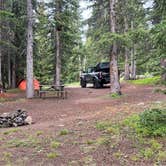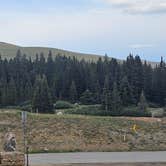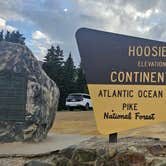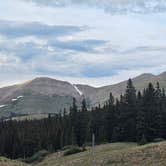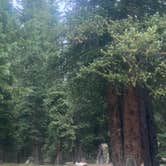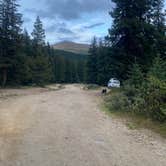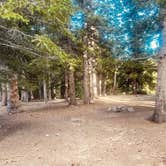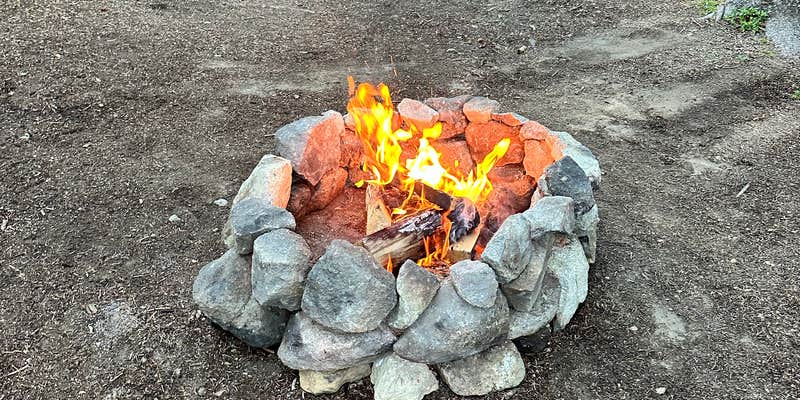
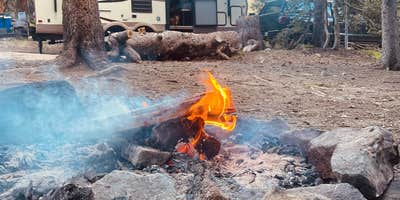
Free camping above 11,000 feet tends to attract a certain kind of camper, and Hoosier Pass Dispersed Camping in Pike National Forest delivers the altitude without the campground fees. Set along a forested forest road off the highway near Blue River, the area holds roughly seven to eight drive-up sites scattered among fir trees, with established fire rings already in place at most spots. The road climbs steeply enough that conditions vary considerably depending on season and how far up you go.
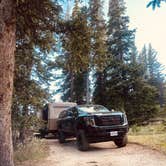
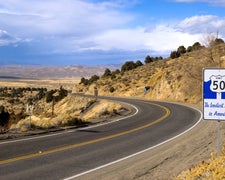
Road access is the defining variable here. The first three sites sit close to the highway turnoff and are reachable by most two-wheel-drive vehicles. Further up, the road deteriorates quickly, with rocks, washouts, and in early summer, lingering snow. One reviewer towed a 25-foot RV to a spot eight to ten sites in, but noted a washout that required careful navigation. A Subaru Outback can handle roughly six sites before the road becomes more demanding. High clearance makes the difference between a handful of options and the full range of the camping area. McCullough Gulch Designated Dispersed Camping and FR 477.1 Dispersed Sites in White River NF are nearby alternatives worth knowing if this area fills up.
Noise is a real consideration at the lower sites. As johny R. notes, "you get a lot of road noise and people stopping at the trailhead." Moving further up the road reduces that significantly, and jason D. found that "traffic noise is minimal as lots of trees and at night so peaceful." Hikers pass through the area in the mornings, using trails that connect directly from the sites.
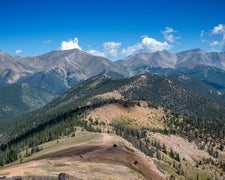
The elevation deserves attention. At over 11,000 feet, altitude sickness is a genuine risk for anyone arriving from lower elevations without acclimatizing first. July and August fall within Colorado's monsoon season, so afternoon thunderstorms are common. The mix of open ground and tree cover gives campers some flexibility in positioning tents to stay dry. Verizon cell service exists but is weak. The area closes to vehicles in winter, though it remains open for snowshoeing and snowmobiling.
This spot works well for self-sufficient campers who arrive with a high-clearance vehicle, want free camping within reach of Breckenridge and summit hikes like DeCaLiBron and Quandary, and don't mind trading some highway noise for convenience and cost.
Description
There are many dispersed camping opportunities on the forest ranging from backpacking to car-camping along designated Forest Roads. Visitors are encouraged to minimize resource impacts by utilizing established sites rather than creating new ones. Dispersed camping sites along Forest Roads are shown on Motor Vehicle Use Maps, which are available free of charge at ranger district offices.
Visitors are permitted to drive vehicles up to 300 feet from designated routes for purposes of dispersed camping as long as no resource damage is incurred in the process. Dispersed camping within 100 feet of lakes, streams, and forest system trails is prohibited unless otherwise designated. Campers may stay for a maximum of 14 days. Some areas may have additional special restrictions.
Reduce Resource Damage
Avoid making new impacts. Whenever possible, use an existing campsite rather than creating a new one. Dispose of human waste, including toilet paper, carefully. Use self-contained waste disposal systems whenever possible. When unavailable, deposit solid human waste in catholes dug 6 – 8 inches deep and at least 200 feet from water, camp sites, and roads or trails. Cover and disguise the cathole when finished. Properly manage sanitation. Dispose of waste, gray water, sewage, and sewage treatment chemicals from self-contained toilets at authorized facilities provided for that purpose. Pack it in, pack it out. Do not leave behind any waste or litter. Leave no trace. Leave established sites in better condition than you found them. Leave new sites in as natural condition as you found them. Don’t move firewood. Moving firewood long distances can help spread harmful pests. Use only locally sourced or dead or downed firewood. Be bear aware. You are in bear country. Leave food, trash, and all items with fragrance (e.g., toothpaste, deodorant) in vehicle, bear-proof canisters, or suspended in bear bags. Do not eat in your tent. Visit Colorado Parks and Wildlife for more information.
RV Road Trip Guides
Map & DirectionsHoosier Pass Dispersed Camping is located in Colorado near Blue River
 Dispersed Camping
Coordinates
39.362269 N
106.063653 W
Connectivity
 T-Mobile5GGood CoverageVerified by 1 userLast on 10/21/26
 VerizonLTESome CoverageVerified by 5 usersLast on 10/21/26
 AT&T5GExcellent CoverageVerified by 10 usersLast on 10/21/26
Connectivity
- T-Mobile5GGood CoverageVerified by 1 userLast on 10/21/26
- VerizonLTESome CoverageVerified by 5 usersLast on 10/21/26
- AT&T5GExcellent CoverageVerified by 10 usersLast on 10/21/26
Access
- Drive-InPark next to your site
- Walk-InPark in a lot, walk to your site.
Site Types
- Tent Sites
- RV Sites
- Standard (Tent/RV)
- Dispersed
Features
For Campers
- Phone Service
- Alcohol
- Pets
- Fires
DISPERSED CAMPING
Enjoy dispersed camping on government land and leave no trace. Pack in and pack out. No (or limited) services at this camping area. Permit may be required.
Drive Time
- 1 hr 45 min from Denver, CO
- 1 hr 52 min from Colorado Springs, CO
- 1 hr 55 min from Boulder, CO
- 2 hrs 30 min from Fort Collins, CO