Tent camping near Henryville, Pennsylvania offers access to the Appalachian Mountain terrain where elevations range from 400-1,600 feet throughout the Delaware Water Gap region. Summer temperatures typically reach 80-90°F during peak camping months, while spring and fall bring cooler nights in the 40-50°F range. The area features multiple water systems including the Delaware River, Bushkill Creek, and smaller streams that create a diverse ecosystem for campers to explore.
What to do
Paddle the Delaware River: Access boat-in campsites from Milford Beach with a $10 daily parking fee. A camper at Namanock Island noted, "I was a bit nervous about collecting fire wood being the place was so clean but collected enough. Definitely would stop at one of the many places along the way to buy fire wood." Plan for approximately 4 hours of paddling for a 3-4 mile section.
Hike to waterfalls: Explore Raymondskill Falls with a 10-15 minute hike from river campsites on the Pennsylvania side. "If you paddle across the river from the site, it is only a 10-15 minute hike along the road on the Pennsylvania side of the river to reach Raymondskill Falls. A 'must-see' if your stopping here," explains a frequent camper.
Night sky viewing: Experience exceptional stargazing from island campsites where light pollution is minimal. "Once darkness falls there are no lights to be seen in either direction, up or down river... an incredible view of the night sky," reports a camper who frequently visits the Delaware Water Gap.
What campers like
Natural swimming areas: Many primitive sites offer direct river access with gentle shorelines. At Bushkill Creek Campsite, a visitor mentioned that "The path up to the campsite from the river gets a little steep, but not bad. One downside - all the water directly off the campsite is pretty rocky and shallow, so not great for swimming."
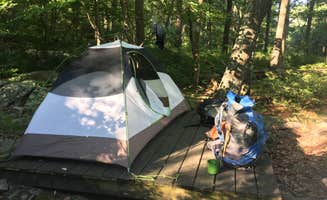
Multi-level camping areas: Tent platforms or elevated sites keep gear dry and separate from boat storage. According to a visitor at Alosa Boat In Campsites, "Primitive site for multi day river trips. There's usually always a port-a-potty at the campsite. Each area has its own fire ring and multiple river pull offs for easy finding and access."
Wildlife viewing opportunities: The river corridor provides habitat for diverse bird species including bald eagles. "Saw tons of bald eagles flying near the site and while paddles birds playing and baby geese with their mommas!" shared an enthusiastic camper after their Delaware River experience.
What you should know
River navigation skills required: Many sites require paddling experience and proper equipment. "I also thought it would a good idea to paddle down stream and back up to Milford beach, Boy was I wrong! Took about 4.5 hours to paddle 3 miles then had to wave down a boat to tow me the rest of the mile," warned a camper at Namanock Island.
Limited access to supplies: Most primitive sites have no nearby stores. A camper at Jenny Jump State Forest noted, "The only problem we encountered was that there wasn't a store close by for ice or other essentials, although the main office does sell firewood. They close at 4pm, though, so be sure to get there before then!"
Bug protection essential: Insect activity can be intense, especially in summer months. "Very buggy spot, LOTS of centipedes and other creatures at night, so bring a chair instead of sitting on the bench or log," advised a camper after visiting a riverside site.
Tips for camping with families
Group sites available: For family gatherings, dedicated group areas offer more space. At Rivers Bend Group Campground, a visitor described, "Large field with multiple group campsites with bearboxes, fire pit and garbage cans at each site. Four outhouses centrally locates and a pump well that did not work."
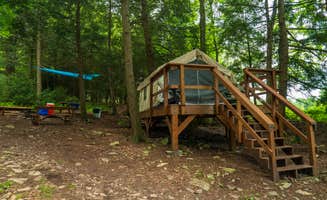
Shelters for easier camping: For families new to tent camping, consider shelters or cabins. At Jenny Jump State Forest, one visitor shared, "This is the first time we decided to forgo tent camping and reserve a shelter at a state park. We had a much better experience than we were expecting! The 'shelter' is what we would describe as a 'cabin'; four walls, a roof, locking door, locking windows, large picture frame front window, four beds(two bunks), a wood burning stove, and a porch."
Kid-friendly hiking options: Some campgrounds connect directly to shorter trails suitable for children. A family camper noted, "This place was great, they allow dogs and had hiking trails with beautiful views you could enjoy right from your campground. It's also close to other local hikes like Mt. Tammany. The campgrounds and bathrooms were clean and well kept."
Tips from RVers
Limited RV options: Most tent camping in Henryville focuses on primitive sites unsuitable for RVs. At Camp Mohican Outdoor Center, a visitor explained, "We hosted group camping trips here for years. Excellent spot! The lodge has bathrooms and a small store. You can rent kayaks and canoes and swimming is allowed on Catfish Pond -- plenty of fish, snapping turtles, and other wildlife."
Noise considerations: Some more developed campgrounds experience highway sounds. One camper at Jenny Jump State Forest mentioned, "This campground is a nice little hideaway not too far from the beaten path. You can hear some of the highway sounds from the campsites (especially the jake brake)."
Site selection important: Look for level sites if bringing a small camper. "The sites are hit or miss in terms of comfort, some have large, flat, clear spaces for multiple tents, some you have to wedge a tent to avoid rocks," advised a camper about the terrain at Jenny Jump State Forest.













 Traveler


