The Mt. Hood National Forest camping region spans elevations from 2,000 to 6,000 feet, creating distinct temperature zones that can vary by 20°F between valley and mountain campsites. Summer daytime temperatures typically range from 70-90°F but drop significantly at night, sometimes below 45°F even in July. Most campgrounds in the region sit on volcanic soil that drains quickly after rain.
What to do
Fishing for kokanee: North Arm Campground offers excellent fishing opportunities at Timothy Lake. "The fishing is also really good so overall I always have the best time!" notes camper Rebekah W. The lake is known for its kokanee salmon population that's accessible from shore.
Hiking forest trails: The Pacific Crest Trail connects several camping areas including Little Crater Lake, where "you can continue onto the PCT to walk towards Timothy Lake. We did this and had a lovely picnic lunch and afternoon swim in Timothy Lake," according to Scott B. Most trails are moderate with minimal elevation gain.
Paddleboarding on calm water: Several lakes in the area restrict motorized boats, creating ideal paddleboarding conditions. "The calm water of Trillium Lake is perfect for paddle boarding and kayaking," mentions Meg S. Early mornings typically offer the calmest water and best mountain reflections on the lakes.
What campers like
Spacious campsites: Clear Lake Campground receives consistent praise for site size. "Many of the camp sites are huge, and most also have beautiful trees and plenty of space," writes Corinna B. Sites are typically spaced 50-100 feet apart, allowing for privacy even during peak season.
Geological features: The volcanic nature of Mt. Hood creates unusual water features. Little Crater Lake is "absolutely beautiful, and there are plenty of places to go hiking around it. It is absolutely beautiful, likely the most amazing thing I've ever seen," says Rachel P. The spring-fed lake maintains a constant temperature year-round.
Wildlife viewing: The lake edges provide wildlife habitat. At Frog Lake, there are "millions of tadpoles in the water and twice as many baby frogs on the north side of the lake by the swamp," describes Connor J. Spring and early summer offer the best amphibian viewing opportunities.
What you should know
Water temperature variations: Despite summer air temperatures, many lakes remain cold. "The lake of course is the best part. Crystal clear but COLD," notes Shelby W. about Clear Lake. Swimming is possible but might require acclimatization, especially in lakes fed by mountain springs.
Campsite reservations: Most established campgrounds fill quickly during peak season. At Lost Lake Resort, "reservations are hard to get we booked at 6am, six months out and felt very lucky to get three spots for our family Campout," explains Molly H. Weekday reservations are somewhat easier to secure.
Limited supplies: Many campgrounds are remote with minimal services nearby. At Kiwanis Road Free Camping, "this is not a conveniently located spot for supplies if you need something it's a trek so come prepared!" warns kathaleen. The closest full-service grocery stores are typically 30-45 minutes away.
Tips for camping with families
Shallow swimming areas: Several lakes offer gradually sloping shorelines ideal for children. Frog Lake has "warm water, not deep at all" and is "awesome for kids," according to Connor J. The north side of the lake has the gentlest slope for wading.
Wildlife education opportunities: Lakes and streams provide natural science lessons. Debbi T. recommends, "Bring your crawdad catchers for some family fun and yummy treat at the end of a fun filled day of biking around the lake and lounging in the tepid water." Clear Lake and Timothy Lake both have abundant crawfish populations in summer.
Shoulder season camping: For families seeking quieter experiences, consider camping in late spring or early fall. "I have camped here many times. Over the years, it has become too busy and lots of loud campers partying and such. I liked it better 5 yrs ago when It was less of a tourist attraction," notes Gayle K. about Trillium Lake Campground. Weekdays in June or September typically have 30-50% fewer campers.
Tips from RVers
Alternative parking options: For RVs unable to secure campground spots, White River West Sno-Park provides free overnight parking in summer. "This is a huge parking lot with 2 vault toilets. Anyone can park overnight for free (summer only)," explains Sara R. The area is available from May 1 to October 31.
Leveling challenges: Many camping areas have uneven terrain. At White River West, "This is a large, paved parking lot with a stream nearby. Has a good view of Mt. Hood and vault toilets, so that's a positive. The downside is that it's not level," notes Garrett B. Bringing additional leveling blocks is recommended for larger rigs.
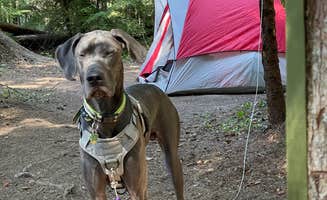
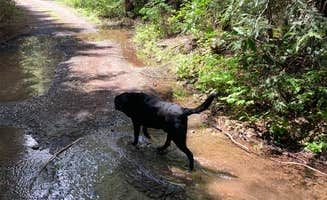
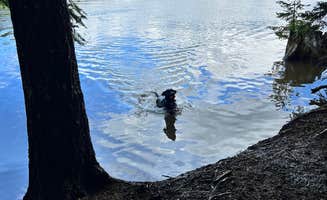
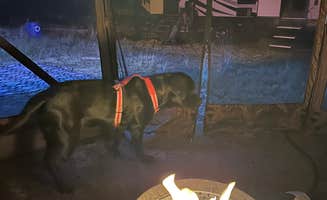
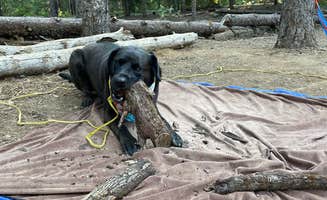
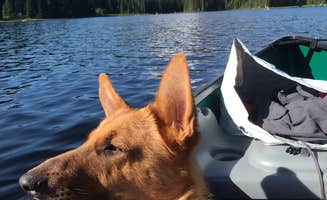
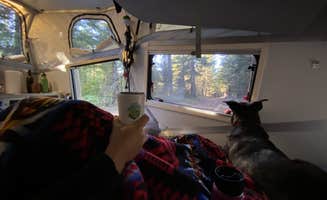
Dog friendly campgrounds in Mt. Hood National Forest: Most established sites allow pets but require standard leashing. "The campground was fairly full but very quiet. Sights are fairly private and wooded," reports Erin F., who camped with her husband at Trillium Lake. The pet-friendly Mt. Hood camping areas typically provide disposal stations at trailheads but not within campground loops.













 Guide
Guide