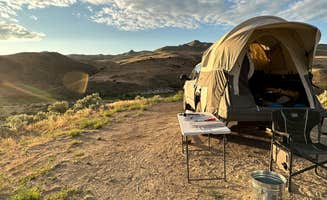
Dispersed camping options around Jordan Valley, Oregon include several undeveloped sites at elevations ranging from 4,000 to 5,000 feet across high desert terrain. This remote southeastern Oregon region experiences temperature extremes with summer highs frequently exceeding 90°F and winter lows dropping below freezing. Road access to most camping locations requires traveling on unpaved routes that can become impassable during wet conditions.
What to do
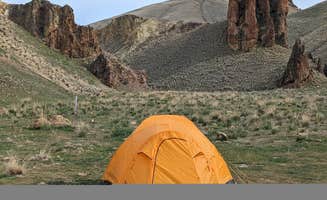
Explore ancient lava formations: Jordan Craters Area of Environmental Concern contains thousands of acres of volcanic terrain. "This place is a HUGE lava flow (extinct) that covers thousands of acres of land in eastern Oregon. It is about an hour of the main road on gravel roads that are in good shape. It is beautiful and mysterious," reports one visitor who found lava tube caves to explore.
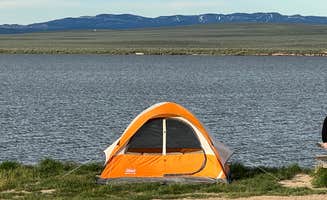
Fishing for multiple species: At Antelope Reservoir, campers can fish directly from shore. "We enjoyed watching the pelicans and geese and antelope, and even a wandering coyote," notes one camper who spent a holiday weekend at the reservoir. The reservoir supports multiple fish species and draws waterfowl.
Visit ghost towns: Historic mining settlements near camping sites offer glimpses into the area's past. "Getting there is interesting down a winding dirt road, but worth the trip to find all the trees in the middle of a desert. The landscape is this breathtaking mix of trees and rock formations and sagebrush," writes a visitor to Silver City, where preserved 19th-century buildings remain.
What campers like
Solitude and quiet: Succor Creek Reservoir Dispersed Camping provides isolation rarely found at developed campgrounds. A regular visitor notes, "This may not be for most campers but if you are a desert rat like myself, who loves to get AWAY FROM ALL, You will be very pleased!" Many sites around Jordan Valley feature similar privacy.
Wildlife viewing opportunities: The high desert ecosystem supports diverse animal species. "We stayed here over the labor day weekend, and even though others were around, it was completely quiet and serene the entire time. We enjoyed watching the pelicans and geese and antelope, and even a wandering coyote," describes a camper at Antelope Reservoir.
Night sky observation: Minimal light pollution creates exceptional stargazing conditions. "I recommend taking a hike at dark across the bridge and up the Mesa and stargaze," advises a visitor to Celebration Park, where dark skies and elevated viewpoints enhance astronomical viewing.
What you should know
Road conditions can be challenging: Access to most camping sites requires driving on unpaved roads. "The road into the campground is a gravel road about a mile from 95. The road is passable for travel trailers," reports a camper at Antelope Reservoir, though conditions vary significantly based on recent weather.
Cell service limitations: Coverage varies dramatically across the region. "Good cell reception with ATT and TMobile, but Verizon had absolutely zero service," notes a visitor to Antelope Reservoir, while another camper reports, "No service with Verizon" at the same location. Many remote sites have no service with any carrier.
Seasonal considerations: The Rock Stage Stop and similar dispersed sites have weather-dependent accessibility. "Weather permitting and as long as there's not too much snow in the winter which is pretty unlikely because they do try to keep it cleared however if a snowstorm comes through it could be a day or two before somebody could get to it," explains a camper about this historic site.











 Guide
Guide


