




Julia V. Guide
Guide
GuideFinger Lakes State Park Campground
Had everything we needed
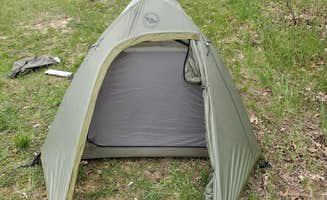
Basic tent site, potable water was right near our site. Bathrooms were clean. There were some families staying nearby but overall was a quiet stay.
13 campgrounds · Check availability for any dates.
Tent campers near Fayette, Missouri can access several primitive sites scattered across conservation areas and state lands. Rudolf Bennitt Conservation Area provides free, tent-only sites nestled in a forested landscape with a fishing lake, while Franklin Island offers secluded riverside camping within a dispersed camping framework. The remote Slate and Wild Roses private campground provides reservable tent sites about 25 miles northeast of Fayette.
Most tent sites in the area feature minimal development with basic amenities. The Rudolf Bennitt sites include vault toilets and fire rings but no drinking water, making it essential to pack in your own supply. Franklin Island camping can become muddy during seasonal flooding, requiring careful site selection. Sites typically consist of open gravel pads near water or more secluded wooded spots. Free camping options predominate, with most conservation areas operating on a first-come, first-served basis. Fires are generally permitted except at the backpacking sites in Long Branch State Park, though campers should check current restrictions during dry periods.
The region's tent camping areas offer varying experiences based on location and season. The lakeside spots at Rudolf Bennitt Conservation Area provide water access and fishing opportunities, while the more remote areas of the same park accommodate equestrian camping with extensive trail networks. Backpackers seeking more isolation can access the primitive tent sites at Long Branch State Park, reached via the Bee Trace Trail. A camper noted that "both the hike into the campsite and out the next morning were pretty easy," though some trail sections can be difficult to follow. Wildlife viewing is common throughout the area, with campers frequently reporting sightings of barred owls, coyotes, and abundant fireflies during summer evenings.
"Well maintained path. Not much area to camp, but works great for tent camping right up next to the river."
"Heavily forested with a lake. Trails and camping areas in woods are setup for equestrian with good trails for hikers, bikers and horses. Camping at lake is open gravel or grass."
"Stay at lake for three days, established area with vault toilet and gravel parking. Has boat ramp and fishing docks."
"When I arrived, I noticed that there were a ton of beautiful primitive trails besides the well-constructed boardwalks. And I also learned that there were even more caves, such as Connor's Cave."
"Great trails for biking and hiking and the creek is perfect for cooling off. However, this place can get really really busy."
"They brought me a huge fire pit as well as dry wood and pointed out where I could find even more wood if I needed it."
from $25 - $30 / night
Check Availability"This was my first time out on Bee Trace Trail and I had a great time."
"This Missouri Conservation area is a Swiss Army knife of rugged of the path camping. Rivers, Lakes, Gun range, Horses and hiking can all be enjoyed here."
from $35 - $245 / night
GuideBasic tent site, potable water was right near our site. Bathrooms were clean. There were some families staying nearby but overall was a quiet stay.
 Traveler
We stayed at Camp Takimina on our first shakedown trip with our Popup camper. It was amazing. It was about 5-10 minutes from I-70, super easy to get to. The camp was quiet, private, and peaceful. There are no hookups, but water was right next to us near the parking lot, and the picnic tables near the lodge were shaded most of the day. Portapotties were clean and well stocked. We brought our dog and two children and the had an absolutely fabulous time! We hiked a lot in the woods, played in the creek, and had plenty of time and space to figure out our new to us popup camper. There aren't actual spots for to park in, it is just a big gravel lot with a couple designated areas for campers if the lot is full (it wasn't full at all). We reserved Arrow Hill also, which is a huge site right next to the parking lot, so we had a campfire ring to cook on. Most of the firepits have benches that surround them, which was very handy not to have to move chairs around all the time. The tent sites were huge- easily would fit multiple tents at each site, and we will absolutely be back to tent camp, and with the popup too!
TravelerThis campground is very nice and offers lots of options,including two different types of electrical sites, basic sites, and walk-in basic sites, they do also have a number of family sites. They offer s firewood vending machine and ice for sale by the camp host. The marina is very nicely set up for handicapped accessible fishing from the fishing dock. Unfortunately the marina store was not open when we visited. We were too early in the year. The swimming beach looks very nice, although it was too cold to use when we were there. Some of the camping sites are more tent friendly than others. Some of them look like it would only be good if you were in a pop-up or a trailer.
 Scout
ScoutWe stayed in our rv while riding the Katy trail easy check in process. Free use of washer and dryer. Shower was great. Felt super safe here. Nice and quiet. Would definitely recommend to anyone. I noticed bicycle tent campers here and on a rainy night they were able to set up tent in barn to stay dry.
 Guide
Guide137 acre lake with great fishing, offering rv hookups and basic tent sites with a pavilion and privys

 Legend
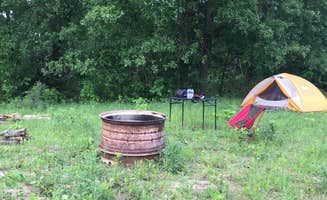
Arrived Wednesday evening and had the spot to myself. There’s a stocked vault toilet, 2 camping spots with fire rings and a boat ramp. very simple but works! No other amenities available. It’s about 2 miles off the interstate and very peaceful. You’re surrounded by farm lane and wildlife. There’s a river at the site but didn’t explore it any. I came after a day of rain so the fire areas were flooded but the actual pull in spot was nice and dry!

 Ranger
First off there is camping here!!!! This Missouri Conservation area is a Swiss Army knife of rugged of the path camping. Rivers, Lakes, Gun range, Horses and hiking can all be enjoyed here. First come first serve basic camp area on the river. It has 1 fire ring in a gravel turnaround. Don’t let this fool you. This area has an abundance of wildlife equestrian trails and hiking. Getting too hot paddle on the lake located on the left Forck after entering. The area has a handgun, and rifle range with vault toilets. The pictures speak for themselves. Love this spot and will be planning another trip soon.
 Guide
GuideThis was my first time out on Bee Trace Trail and I had a great time. Both the hike into the campsite and out the next morning were pretty easy; the back half of the brown loop, specifically the stretch between the backpack camping site and the kayak camping sites, was sometimes frustratingly difficult to follow. I had to pull out my phone several times to get reoriented. That being said, that stretch isn't very long and the rest of the trail presented zero issues for navigation.
The campsite for backpacking is located at the very tip of the peninsula and it's a great spot. There is a camper-made fire ring here, but the regulations(and posted signs) state no fires, so I would be cautious with what you choose to do. The kayak sites are a little more developed, with picnic tables, trash hooks, and iron fire pits/grills, but I'm not sure how they feel about backpackers using those. On the day(s) I went through, I saw only two other people on the blue loop and nobody on the brown. However, I saw tons of boats out on the lake going by and they all had full view of the campsite(I think it would be pretty clear even once the trees are full); something to be aware of if you're looking for a super isolated camp. There is plenty of space to pitch a tent and many trees to choose from for hanging a hammock.
If you're looking to get your feet wet with backpacking(as I was), this is a great spot to do it. If you're a seasoned backpacker and are just looking for a quick out-and-back, I think you would be equally pleased.
 Scout
ScoutGreat location! Parked 30ft travel trailer with no problems! Level ground for the most part! The corn field is really neat! We parked right beside it and all I kept thinking was children of the corn! But it added to the awesome location! We have cricket wireless full signal. A couple locals were camping beside us and were very friendly. I was told to check the weather just to make sure it's not going to flood. It's right beside a river. Used a generator..... So did everyone else. Still quiet enough. There was plenty of space
Tent camping near Fayette, Missouri offers primitive outdoor experiences on public conservation lands at elevations between 600-800 feet. The region experiences distinct seasonal changes with humid summers reaching 90°F and winter temperatures often dropping below freezing. Many camping areas in this central Missouri region remain open year-round, though access roads become challenging after heavy rainfall due to clay-based soils.
Wildlife observation opportunities: Rudolf Bennitt Conservation Area features extensive trail networks where campers regularly spot deer, turkey and other wildlife. One visitor noted, "Heavily forested with a lake. Trails and camping areas in woods are setup for equestrian with good trails for hikers, bikers and horses."
Target practice: Rudolf Bennitt Conservation Area includes a shooting range centrally located within the park boundaries. According to a camper who stayed for 1.5 weeks, there's "a shooting range centrally located in the park" making it convenient for those looking to practice their marksmanship during their stay.
Cave exploration: At Rock Bridge Memorial State Park, visitors can explore multiple cave systems beyond the established boardwalks. A reviewer mentioned, "I noticed that there were a ton of beautiful primitive trails besides the well-constructed boardwalks. And I also learned that there were even more caves, such as Connor's Cave."
Creek swimming: During summer months, the waterways provide welcome relief from heat. As one camper at Rock Bridge Memorial State Park mentioned, "Great trails for biking and hiking and the creek is perfect for cooling off."
Secluded waterfront sites: Franklin Island offers riverside camping with significant privacy. A camper described it as a "Great quiet and secluded camp sight," though they warned it "can muddy due to sessional flooding."
Abundant fishing opportunities: Scrivner Road Conservation Area provides access to both river and lake fishing in one location. A reviewer called it "a Swiss Army knife of rugged of the path camping. Rivers, Lakes, Gun range, Horses and hiking can all be enjoyed here."
Night sky viewing: The rural location allows for excellent stargazing and wildlife listening experiences. At Slate and Wild Roses, a camper reported, "As the evening wore on I heard barred owls and coyotes, as well as the nearby cows. The fireflies came out at dark and gave me an impressive show."
Multiple activity options: Conservation areas typically offer diverse recreation within the same property. At Scrivner Road Conservation Area, a visitor appreciated that "This area has an abundance of wildlife equestrian trails and hiking. Getting too hot paddle on the lake located on the left Forck after entering."
Water sources limited: Most conservation areas lack potable water sources. Campers at Rudolf Bennitt Conservation Area noted the contrast in amenities: "Stay at lake for three days, established area with vault toilet and gravel parking" but no mention of water facilities.
Weather impact on access: Slate and Wild Roses becomes difficult to access during wet periods. A visitor warned, "Just know that rain will affect your ability to navigate the farm road which is gravel to a point and then a dirt two track that disappears and reappears in between the wild roses and grasses."
Trail navigation challenges: Some trails lack clear markings or maintenance. At Long Branch State Park, a hiker observed, "the stretch between the backpack camping site and the kayak camping sites, was sometimes frustratingly difficult to follow. I had to pull out my phone several times to get reoriented."
Safety considerations: Some public access areas experience security issues. At Harriman Hill Access, a camper reported concerning activity: "Not bad camp spots here, but there are a lot of drug deals going on here. Don't feel very safe at all."
Accessibility ratings: For families with young children, Long Branch State Park offers relatively accessible backcountry camping. A visitor confirmed, "If you're looking to get your feet wet with backpacking (as I was), this is a great spot to do it. Both the hike into the campsite and out the next morning were pretty easy."
Educational opportunities: Rock Bridge Memorial State Park provides natural classroom settings with boardwalks suitable for all ages. A visitor observed, "A number of families with little children ran around enjoying the boardwalks, ascending and descending the stairs built into the hills."
Activity diversity: Conservation areas offer multiple outdoor pursuits within walking distance of camping areas. Rudolf Bennitt combines "fishing docks," "boat ramp," and trails, allowing families to switch activities without moving camp.
Temperature regulation: Cave features provide natural cooling stations during summer heat. At Rock Bridge Memorial State Park, a camper noted, "I found the Devil's Icebox and was rejoiced by how remarkably cool it was (56 degrees Fahrenheit to be exact!) compared to the thick, humid summer air."
Site positioning: At Rudolf Bennitt Conservation Area, RV and vehicle placement affects comfort levels. One camper advised, "It has been a windy month so I relocated farther up hill to nestle in more with the trees," demonstrating the importance of strategic positioning.
Road navigation: Conservation area roads often intersect with private property, requiring careful navigation. A Rudolf Bennitt visitor recommended, "Get a brochure with park map at entrance as roads pass through park and private property."
Weather-related planning: Most campgrounds in the area become challenging for RVs during wet periods. At Franklin Island, campers should expect muddy conditions after rain, as one visitor experienced firsthand.
Frequently Asked Questions
Which is the most popular tent campsite near Fayette, MO?
According to TheDyrt.com, the most popular tent campground near Fayette, MO is Franklin Island with a 3.5-star rating from 2 reviews.
What is the best site to find tent camping near Fayette, MO?
TheDyrt.com has all 13 tent camping locations near Fayette, MO, with real photos and reviews from campers.
Keep Exploring