Camping sites near New Salem, Massachusetts occupy diverse terrain across north-central Massachusetts, ranging from 500 to 1,200 feet in elevation with mixed hardwood forests. Summer temperatures typically reach 75-85°F during day and drop to 55-65°F at night, while spring and fall camping seasons experience significant temperature variations requiring additional layers. Most campgrounds in this region sit on natural bodies of water formed by glacial activity during the last ice age.
What to do
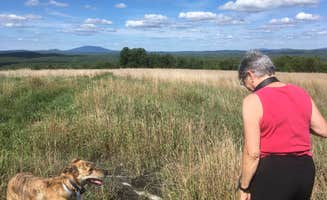
Hiking with dogs: Several trail networks connect between camping areas and state forests, offering various terrain options. At Erving State Forest Campground, "There's a separate boat launch at the far end of the road from the beach. Swimming, boating, fishing, and hiking will keep you busy," notes Jean C. The forest provides multiple interconnected trails suitable for pets.
Swimming options: Natural water features are abundant throughout the region. At Monadnock State Park, one visitor mentions, "The pond trail run around Gilson Pond. There is a large playground for kids <12 and a wide open day use area for picnicking." For those seeking more developed swimming areas, "The lake is perfect for swimming, kayaking, and fishing. There are ample trails for hiking and kids can ride their bikes," according to Bonnie B.
Geocaching adventures: Several campgrounds maintain geocache networks. One camper at DAR State Forest explained, "We spent some time on the hiking trails and found plenty of geocaches, which was awesome." This activity provides an excellent opportunity for dogs and owners to explore together while searching for hidden treasures throughout the woods.
What campers like
Private beachfront sites: Waterfront camping provides excellent access for pet swimming. At Lake Dennison Recreation Area Campground, "We camped on the north shore; sites were big and offered immediate access to and view of the lake," writes gabe N. These lakefront sites allow direct water access without needing to traverse the main public beaches where pets may be restricted.
Rustic camping experience: Many campers appreciate the authentic outdoor experience. At Tully Lake Recreation Area, "We stayed at site 1, which was HUGE and extremely private. Sites closer to the water that we saw were less private, but still very peaceful and spread out. No cars at all at the campsites, which was great for peace of mind as our toddler roamed around," shares Megan G. This car-free environment creates a quieter camping experience for pets sensitive to traffic noise.
Well-maintained facilities: Despite the rural setting, campers consistently note clean bathrooms and showers. "The bathrooms are located near the entrance to the Park, and include flush toilets as well as coin operated, hot showers, open 24/7. There are sinks beside the building, where campers are asked to wash their dishes, rather than at the camp site," explains Nancy R. at Tully Lake. This central facility placement helps reduce wildlife encounters around individual campsites.
What you should know
Cell service limitations: Most campgrounds have minimal connectivity. At DAR State Forest Campground, a visitor noted, "This campground is in an area that has no cell reception for most carriers and there is no wi-fi." Similarly, at Erving State Forest, a camper warned, "There is also zero cell service (there is an operational pay phone at the showers) which is fine... but wished we knew ahead of time."
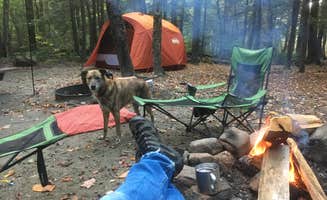
Wildlife considerations: Bears are present throughout the region. "There might be bears, so there's a bear box to store all your stuff in when you are not using it. They do run dogs through the campground once a week or so to scare the poor critters away," explains Alan at DAR State Forest. Keeping pet food secured is essential for safety.
Site differences within campgrounds: At Tully Lake, "The sites near the water or on bluffs are further away, and though they provide carts the trails can make hauling them tough. Keeping gear to a minimum is a good idea." These terrain variations affect pet accessibility, especially for older or mobility-restricted animals who may struggle with steeper sites.
Tips for camping with families
Playground access: Several campgrounds feature dedicated play areas. At Ashuelot River Campground, "Playground, volleyball, horseshoes, game room. Kayaks and canoes for rent. Nice trail to let the dogs go off leash and get their energy out," notes Camie S. These designated activity areas provide space for both children and pets to burn energy.
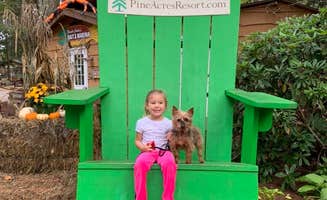
Tent site selection: For families with pets, specific site areas offer advantages. At Pine Acres Family Camping Resort, "Tent sites were very dispersed and way up on the top of the mountain. Camper sites seemed a little close but worth the sacrifice due to the incredible environment," explains Rob L. These elevated tent areas typically provide more space and separation for families with active dogs.
Water safety: Monitoring pets around water requires extra vigilance. Juliet P. shares, "We've been coming here for 3 years and we always have a blast. It is so convenient to camp right on the lake. We can drop our paddle boards in any time and explore the lake." Having direct water access makes supervising both children and pets easier but requires constant attention to water safety for both.
Tips from RVers
Site size considerations: Many campgrounds have limited spaces for larger rigs. At Otter River State Forest, "65, 67, 68 are walk-in sites, with the tent area lower, closer to the water. At the top of the hill, there are several yurts available," explains Jean C. RVers should confirm site dimensions before arrival, especially when traveling with pets requiring outdoor space.
Hookup variations: Electrical availability differs significantly between campgrounds. At DAR State Forest, a visitor advises, "Not sure I'd try a really big rig here, but our little 16' trailer fit in great. I don't see any pull through sites, but I didn't seem them all." These limitations affect how RVers can manage climate control for pets left in vehicles during activities.
Access roads: Some campgrounds have challenging approach routes. At Ashuelot River Campground, "Don't come in off of rt 10, there's a low covered, one lane bridge that you can't tow thru. Some of the turns aren't so friendly either," warns Camie S. These road conditions particularly impact pet-friendly camping when traveling with larger rigs and multiple animals.








 Ranger


