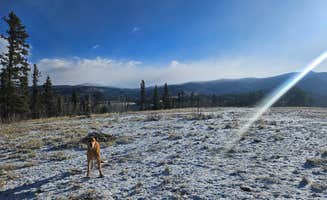
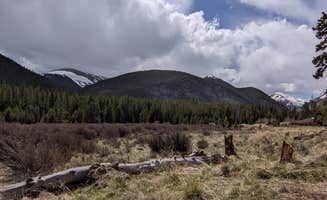
Dog friendly camping options near Shawnee include dispersed sites at elevations between 7,000-10,000 feet along forest roads and established campgrounds in Pike National Forest. Summer temperatures average 70-75°F during the day but can drop to 35-40°F at night, even in July, making extra blankets essential for both humans and pets year-round.
What to do
Mountain biking on dedicated trails: Buffalo Creek Recreation Area offers an extensive network of trails for various skill levels. "Great camping spot, esp, if you like mountain biking... Not whistler in terms of terrain but plenty of trails for various ability levels," notes Andrew B. The area shows regrowth after a 1996 fire, providing an educational look at forest regeneration.
Paddle sports on Wellington Lake: Castle Mountain Recreation Area at Wellington Lake prohibits motorized boats, creating perfect conditions for calm-water activities. "Great for paddleboarding (rentals available), kayaking, canoeing & kid's floats," according to Heather L. The lake remains peaceful due to restricted day-use during certain periods.
High-elevation hiking: Kirby Gulch provides access to multiple trailheads including routes to abandoned mines. As Cody R. explains, "Went up the 4x4 trail up to the salt mine at the top. If you have a vehicle with 4wd You should be fine." Sites gradually become more secluded (and require better vehicles) as you travel further up the road.
Wildlife observation: Bruno Gulch Dispersed camping areas frequently host wildlife visitors. Kylie B. reports, "Beautiful area, seen a moose and goats close to our campsite." The creek-side sites offer natural habitat viewing while horse trails provide additional wildlife spotting opportunities.
What campers like
Secluded sites away from crowds: Boreas Pass Road offers designated dispersed camping with natural buffers between sites. "Our site was far enough from the neighboring spots that we couldn't see or hear other campers, making it feel peaceful and secluded," notes Jenny B., who appreciated the privacy despite the area's popularity.
Creek access for summer cooling: Kirby Gulch campsites near water provide natural temperature regulation. "The creek is a great place for kids to splash and play," mentions Chris P. Many sites feature established fire rings and level parking areas, though the road becomes progressively rougher past site #34.
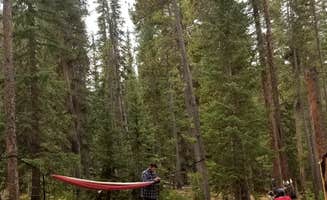
High-elevation temperature relief: Geneva Park Campground sits at nearly 10,000 feet, offering summer temperatures typically 15-20°F cooler than Denver. "The pine trees in this campground are unreal. You are truly surrounded by those tall swaying Colorado beauties when you stay here. They provide all the shade you could need which means the campground stays cool in the day," explains Sarah F.
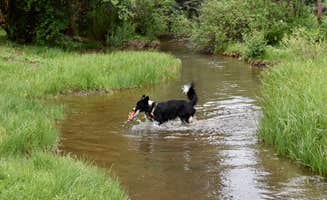
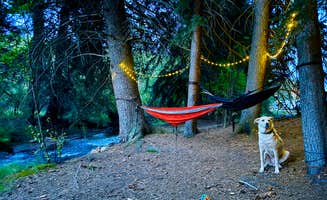
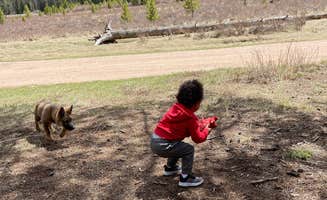
Dog-friendly creek exploration: Multiple dog friendly campgrounds near Shawnee provide stream access. At Buffalo Creek, one camper notes: "Across the road is a creek that is great for water hangouts and light fishing." However, be vigilant about ticks and mosquitos near water sources, as Hayley K. warns, "We found a couple of ticks on the dogs after they ran through the tall grass and the creek."
What you should know
Fire restrictions vary by location: While most established sites permit fires in designated rings, restrictions change seasonally. "There is an active fire ban in the area and the neighbors were lighting 5ft tall fires with gasoline which put us at risk," cautions Hayley K. about Buffalo Creek. Check current fire regulations before your trip as violations can result in substantial fines.
Limited cell service: Kenosha Pass Campground and surrounding areas have minimal connectivity. "There is no Verizon service anywhere on the campgrounds," notes Steve C. Plan communications accordingly and bring paper maps for navigation.
Water availability challenges: Many dispersed sites require bringing all water needed. Buffalo Creek camper Ken H. advises, "It is clear the sites are heavily used though, with small pieces of plastic and glass scattered about. We did our best to clean our area." At established sites, water systems aren't always operational—even when advertised.
Competition for weekend spots: Keiko F. warns about Buffalo Creek: "Beautiful spot with easy access to lots of trails and Wellington lake. Only downside is that it is very difficult to find a spot on a weekend. We got up there around 6:30pm on Friday night and after driving around for a couple hours ended up bailing and going home."
Tips for camping with families
Bring all-terrain wagons for gear transport: Staunton State Park Campground requires walking gear to sites. "Since hiking in, some backpacking items would be helpful in order to make the haul easier. Though, taking trips could be an option, if necessary. When camping with a whole posse of kids, we used a wagon to haul all that crap up," recommends K R.
Pack extra warm layers regardless of season: Charlie K. from Kirby Gulch advises, "It did get pretty cool at night, and our kids definitely let us know about it. Luckily we have extra blankets to insulate their bags and another person in our party had a small heater. But even in July, plan for cooler night time temps and rain!"
Consider waterfall safety with dogs: At Wellington Lake, Victoria H. cautions, "Word of caution—every year I see/hear about multiple dogs going down the waterfall. No major injuries but it scares the owners. The rocks are so slick—don't let kids/dogs try to climb through or over."
Select sites with natural play features: Site #19 at Staunton State Park offers built-in entertainment. "This one sits atop all of the other sites and is one of the most accommodating and fairly private sites for families both in room and fun... behind 19 are rocks and boulders. You could scramble up with or without kids (my kid was 2 and climbed with some help) and explore for about an hour just by the site."
Tips from RVers
Length restrictions limit options: Buffalo Campground accommodates some RVs but with limitations. "The sites are pretty close together but there are well maintained pit toilets as well as a dumpster on site for trash," notes Hayley K. Most sites can fit smaller trailers but larger rigs should scout specific sites in advance.
Tight turns challenge larger rigs: Geneva Park presents navigation obstacles as Tyler P. explains, "The dirt loop road through the site is rather eroded in spots with large divots that require very slow going with a trailer. But it's fine for even small city vehicles to pass through."
Consider clearance requirements: Access roads to dispersed sites often demand higher clearance vehicles. Jerad D. at Kirby Gulch observes, "First 30 or few spots are a little close, accessible for most vehicles but fills up quickly. Past 30, they get more dispersed but more difficult to get to. Past 35 or so it's a true 4x4 trail."
Mind the elevation for vehicle performance: RVs operating at 9,000+ feet may experience performance issues. Smaller trailers typically fare better on mountain roads as Jackie E. notes about Kenosha Pass: "Several spots are large enough for a big camper, but the tight curves on the loop and thick trees make it a little questionable for maneuvering."














 Traveler


