The Shoshone National Forest region extends from elevations around 4,600 feet to peaks over 13,000 feet, creating diverse camping conditions across its 2.4 million acres. Summer temperatures at higher elevation campgrounds can drop below freezing at night even in July. Road conditions vary significantly, with some campground access routes requiring high-clearance vehicles during spring runoff.
What to do
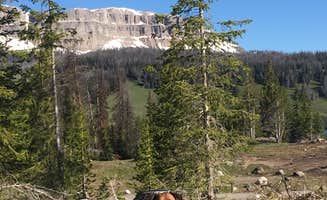
Fishing opportunities: Brooks Lake Campground offers excellent fishing for brook and cutthroat trout. "Living only 20 minutes from brooks lake, I always make it a goal to camp out their every summer. The views can't be beat and the fishing in both the lake a creek is unreal," explains Stephen H., who recommends bringing bear spray for safety.
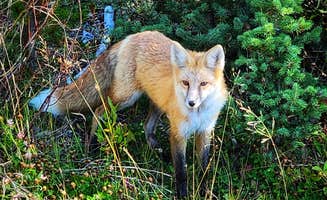
Wildlife viewing: At Eagle Creek Campground, campers frequently see bison wandering through sites. "We noticed a family of deer munching in the field on our morning walk out," reports a visitor at Spread Creek. For those interested in wolf observation, Eagle Creek provides a strategic base. "I stayed here one cold week of March to get up before dawn and wolf watch in the park," notes Annika W.
Waterfall exploration: Falls Campground features a stunning waterfall accessible via a short hike from the campsites. "The waterfall is gorgeous! A short hike from the campsites," shares Robin B., who found it made a good base for exploring nearby national parks.
What campers like
Secluded sites: Despite being an established campground, Double Cabin Campground offers unusual privacy. "We truly felt like we were the only people in the campground, even though it was a highly trafficked time during eclipse," writes Sari K., highlighting the spacious layout that creates a wilderness feel.
High elevation experiences: The 9,100-foot elevation at Brooks Lake creates distinct camping conditions. "Bundle up if you come early! Snow was still on the ground, but I'll take that over mosquitos. Was warm during the day with plenty of opportunities to hike nearby or just hang by the lake and fish," advises Katherine B.
Water access: Campsites along waterways provide both recreation and scenic value. "There are sites by the Shoshone River including views. The music of the river itself is soothing," shares a camper at Eagle Creek Campground, noting that local fishing guides often bring clients through the area.
What you should know
Bear precautions: Brooks Lake enforces a hard-sided camper policy due to grizzly activity. "Bears are a serious threat here so you can't even camp in a tent. We arrived with tents and were told we couldn't sleep in our cars either so had to leave," warns Kim B. Always check current regulations before arrival.
Weather variability: At high elevations, prepare for significant temperature drops. "It was very cold when we were driving up the mountain to find this," Jennifer H. recalls about Eagle Creek, recommending warm layers even in summer months when overnight temperatures can dip into the 30s.
Seasonal facility limitations: Late season travelers should verify which services remain operational. "Looks like a nice campground but we moved on - the electric at the sites were turned off (on 9/26), trash bins were locked. Pit toilets were open," notes Arthur M. at Falls Campground.
Tips for camping with families
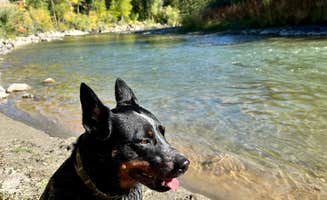
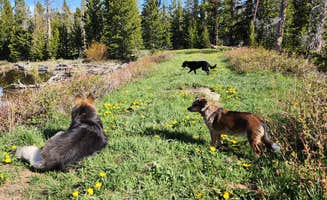
Best dog-friendly campgrounds: When seeking dog friendly campgrounds in Shoshone National Forest, consider water access. "We strolled the creek in the morning, and the dogs really enjoyed it," mentions one camper about Spread Creek Dispersed Campground, which allows pets throughout its open sites.
Insect protection: High country mosquitoes can be intense during summer. "Summer bugs are terrible, bring bug spray. It is high elevation and very little shade so be prepared. A shaded netting for the picnic tables would be ideal," advises Angela G. about Brooks Lake Campground.
Wildlife education: Use campground wildlife sightings as learning opportunities. "When we saw the deer was near us there was also 3 rangers following it keeping the campers safe," notes Heather H., describing how park staff at Colter Bay helped maintain visitor safety around wildlife.
Tips from RVers
Access challenges: The road to Double Cabin presents significant challenges for larger RVs. "Getting to this place with our 30' TT was a challenge. Most of the road there is a one lane, winding road with dropoffs at times. There are lots of horse trailers that use this road so be prepared," warns Jon G., though he adds that "the payoff is amazing."
Water management: Plan carefully for water needs at campgrounds without hookups. "There are water connections available, but you are not allowed to connect a hose," explains Jennifer S. about Falls Campground. At some sites, campers need to fill portable containers instead of connecting directly.
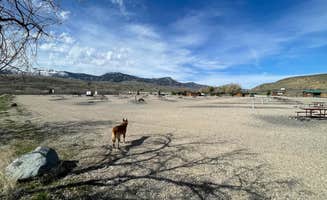
Leveling requirements: Many forest campgrounds have uneven sites. "Most sites are pretty uneven so bring blocks. I had to get pretty creative in our super C," advises Chris A. about Colter Bay RV Park, recommending extra leveling equipment for larger rigs.











 Scout
Scout


