Tent camping near John D. Rockefeller Jr. Memorial Parkway connects Grand Teton and Yellowstone National Parks at elevations ranging from 6,800 to 7,800 feet. The parkway's 27,000 acres feature sagebrush flats and dense pine forests with summer temperatures averaging 70-80°F during day and dropping to 40°F at night. Seasonal closures affect many campgrounds from October through May due to snowfall.
What to do
Fishing at nearby lakes: Lewis Lake Campground provides direct access to fishing spots with bear-safe storage. According to a visitor at Lewis Lake Campground, "Every campsite has their own bear box, bathrooms are nearby."
Wildlife viewing at dawn: Early mornings offer opportunities to see moose, elk and beavers. At Buffalo Valley Designated Dispersed Camping, one camper noted, "There was a beaver that hung out with us alongside the river bed and we heard a bunch of cows in the morning!"
Hiking to mountain vistas: Multiple trails connect tent camping areas to panoramic viewpoints. A camper at Trapper Lake Backcountry reported, "On top of the hill at the site gives you another great view. There is a Bear Box for food storage here."
Star gazing on clear nights: The region's minimal light pollution creates exceptional night sky viewing. One Shadow Mountain camper described spending time "in the tent just to get some relief and make it to sunset" due to daytime bugs, but enjoyed spectacular night skies after dark.
What campers like
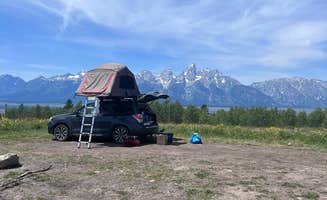
Mountain panoramas: The direct views of the Teton Range rank among campers' favorite features. A visitor to Shadow Mountain Dispersed Campsite #10 called it "the best view I have ever had camping" and noted that despite difficulty finding sites, "it was the best view we had of the Tetons."
Proximity to water features: Many tent sites near John D. Rockefeller Jr. Memorial Parkway offer direct water access. A camper at Buffalo Valley described "beautiful crystal clear river running right next to the site. It was frigid but perfect for a plunge before a day of hiking the Tetons."
Tranquility in less developed areas: The dispersed camping areas provide greater solitude than formal campgrounds. At 9C1 Yellowstone NP Backcountry Campsite, a visitor appreciated that "the site is slightly visible from the main trail once you are set up for the evening, but this is the Yellowstone wilderness so you will not likely see anyone else in the evening on the trail."
Toilet access at remote sites: Some backcountry locations feature basic toilet facilities. A 9C1 Yellowstone camper mentioned "this site has a luxury in the back country....A TOILET! Just follow the sign from the cooking area to the toilet. Be warned however, their are no walls, just a seat in the woods."
What you should know
Mosquito pressure: Insects can be intense, particularly near water. A visitor to Antelope Springs Designated Dispersed Camping advised, "The afternoon rain does create mud throughout your campsite and the bottom of your tent will be wet and muddy. The wind also picks up the dry dirt and makes the inside of your tent quite sandy even with the rain fly on."
Road conditions to dispersed sites: Access roads vary significantly in quality. An Antelope Springs camper noted, "Also accessible by sedan or low clearance vehicle; however, you can't go up the mountain to the other shadow mountain spots with a sedan."
Early arrival necessity: Popular tent campgrounds fill quickly, especially during summer. At Colter Bay Tent Village, a visitor recommended, "First come first serve. Get there in the AM and getting a spot is easy. Do not wait till 4pm."
Bear safety protocols: All tent camping areas near the parkway require strict food management. A Buffalo Valley camper warned, "There were prominent bear signs so we locked up all our food in a sturdy cooler in the cab of the truck and had no problems."
Tips for camping with families
Cabin alternatives for cooler weather: For families seeking more shelter, cabin options provide protection. A visitor to Squirrel Meadows Cabin reported, "Squirrel Meadows Cabin in WY is a lot of fun, and great for a family. The cabin is pretty awesome, although there is no electricity- but that didn't really bother my family and I."
Site selection for space: Some tent areas provide more room than others. A Jenny Lake camper noted, "Site 7 tent pad is more tucked away and has bigger space. Close to restrooms and trails."
Amenities for extended stays: Certain campgrounds offer additional facilities useful for families. One Colter Bay visitor mentioned, "They had a great general store with decent prices for being the only store around. And a really nice buffet restaurant with some really amazing servers."
Wildlife education opportunities: Ranger presence provides safety and learning experiences. A Colter Bay camper observed, "When we saw the bear was near us there was also 3 rangers following it keeping the campers safe."
Tips from RVers
Designated RV areas vs. tent-only zones: Not all camping areas accommodate larger vehicles. A Jenny Lake Campground visitor highlighted that it's "a perfect location to get away from RVs and Trailers. They offer a wide variety of campsites, some being open and some in the woods."
Site layout considerations: The configuration of sites affects parking and setup. A Colter Bay camper explained, "You pull your trailer, motor home, parallel to the camp site."
Restroom access: Facilities vary widely between campgrounds. At Antelope Springs, a camper mentioned, "They have two clean vault toilets" while many dispersed sites have no facilities whatsoever.
Seasonal road restrictions: Weather impacts access for larger vehicles. A Shadow Mountain camper warned, "If it rains, that dirt/rocky road turns into pure mud. I hydroplaned the whole 15-20ish minutes down."














 Guide
Guide


