Dispersed camping opportunities near Shenandoah National Park span elevations from 700 to 4,000 feet, creating varied camping conditions across seasons. The George Washington and Jefferson National Forests border portions of the park, offering additional primitive camping options with different regulations than park lands. Winter temperatures at higher elevations can drop below freezing even in early fall, requiring appropriate gear for backcountry sites.
What to do
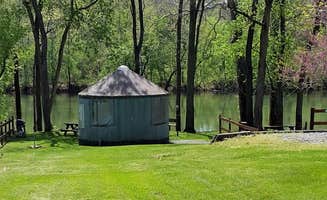
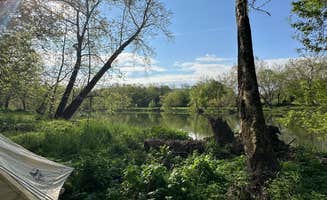
River activities: South Fork Shenandoah River offers excellent fishing, swimming and paddling opportunities directly from campsites. One camper noted, "Our site was amazing! The very last car camping site on the road. We were right on the river, we swam and fished. There were plenty of walk in sites beyond ours."
Farm tours: Hawk Nest Mushroom Farm provides unique farm-based camping with educational opportunities. "We got a nice tour of the mushrooms currently growing at the farm. The camp area sits under a canopy of cedar trees," mentioned one visitor. This site combines camping with agricultural learning.
Hiking trails: Little Fort Campground connects to several small trails directly from campsites. "There are 9 campsites, each with at least one fire ring, a tent pad and a picnic table... Nice secluded spot," notes a reviewer who explored the surrounding trails. The campground borders national forest land with extended hiking options.
What campers like
Spring-fed swimming: Emerald Pond Primitive Campground features cold, clear swimming water even during hot summer months. A camper reported, "Once you do get to the pond, there are several cleared spots to put up a tent. One of the spots could hold about 4 tents, so, great for some friends going out together."
Secluded ridgeline sites: Hazeltop Summit Dispersed Camping requires effort but rewards with isolation. As one visitor mentioned, "They have a variety of lists based on hiking ability and difficulty as well as camping ability and difficulty so I recommend checking that out." Higher elevation sites offer natural cooling during summer months.
Free established campsites: Little Fort Campground provides no-cost camping with basic amenities. "You select a campsite by flipping a washer on a hook on the board from green to red. Flip it back when you leave. The campsites have a fire ring, a picnic table, and a flat area to pitch a tent," explains a recent visitor, highlighting the practical self-registration system.
What you should know
Cell service limitations: Pack physical maps as connectivity is unreliable. A camper at Little Fort noted, "On this app it says T-Mobile access, I'm a T-Mobile customer, no reception at all but drive 5 minutes back down the mountain and you're good to go." Most dispersed sites have no service from any carrier.
Weekend crowding: Reserve or arrive early on summer weekends. "Got the last site at 6PM on the Friday of Memorial Day weekend," mentioned one Little Fort visitor who arrived just in time.
Party hotspots: Some riverside areas attract loud groups. A South Fork Shenandoah River visitor warned, "The real issue was the land directly across the river that had 20+ people playing loud music at almost all hours." Another camper cautioned, "Dont disregard the warnings about noise like i did, constant speakers all the time until 4am."
Tips for camping with families
Lake Anna State Park accessibility: Lake Anna State Park Campground offers family-friendly facilities including ADA-accessible features. A visitor noted, "This campground is ADA accessible with the lantern hangers having lower hooks for those in wheelchairs, and at least one of the cabins has a wheelchair ramp."
Kid-friendly activities: Several campgrounds offer family amenities beyond camping. "The swimming area is clean and very family oriented. It has great hiking trails and if your looking for a relaxing fishing afternoon, they have some of the nicest fishing piers with ample sitting area," explained a Lake Anna visitor.
Biking options: Flat terrain at select campgrounds accommodates young cyclists. "Our grandchildren love that they are able to bike ride and enjoy the beautiful scenery," shared a family who visited Lake Anna, where paved paths provide safe riding areas.
Tips from RVers
Size restrictions: Most dispersed sites accommodate smaller rigs only. At Rock Tavern River Kamp, one visitor commented, "We could not have asked for a nicer location! Our tent was about 20 feet from the river and the campground had everything we could have asked for (including spotless bathroom and shower facilities!)" While focusing on tent camping, they do accommodate small camper vans.
Hookup availability: Limited electric options exist outside established campgrounds. A Hawk Nest Mushroom Farm visitor noted, "If you are tent camping or have a camper van the area is fine. Large RV will have a difficult time setting up in the camp area." Many sites list "electric hookups" but these are often limited to a single outlet rather than dedicated RV connections.
Road conditions: Access roads to the best tent camping near Shenandoah National Park can be challenging. "The road to get to the campsite was well maintained and easy to get to," reported a South Fork Shenandoah River camper, but cautioned about seasonal flooding: "The sites were underwater or filled with river mud, making them completely un-campable" after heavy rains.









 Legend


