Tully Lake and surrounding camping areas provide diverse accommodations for outdoor enthusiasts in north central Massachusetts. The region sits at elevations ranging from 800 to 1200 feet, creating varied terrain for recreation. Summer temperatures typically range from 70-85°F during daylight hours with cooler evenings, requiring appropriate camping gear for comfort.
What to do
Paddling exploration: At Tully Lake Recreation Area, campers can enjoy diverse water activities. "We take our canoe and spend the whole day at the lake. You can find lots of private areas to swim, pick blueberries and relax," notes Ben P. The lake offers numerous islands and quiet coves to discover.
Swimming options: For families seeking water recreation, Lake Dennison Recreation Area provides excellent swimming facilities. "The lake is perfect for swimming, kayaking, and fishing. There are ample trails for hiking and kids can ride their bikes," reports Bonnie B. The swimming area includes a designated beach that's regularly maintained.
Hiking diverse trails: Explore the trail network connecting various recreation areas. "The 4-mile loop around Tully Lake" is accessible for most ability levels, as Jean C. notes. For more variety, "Bobcat trail to the beaver dam is a great hike," suggests Alan at DAR State Forest, adding another dimension to the region's trail system.
What campers like
Privacy levels: Site selection significantly impacts camping experience. "We stayed at site 1, which was HUGE and extremely private. Sites closer to the water that we saw were less private, but still very peaceful and spread out," shares Megan G. about Otter River State Forest. Multiple reviewers note the varying privacy levels across different campgrounds.
Forest immersion: The wooded settings create a true forest camping experience. "The sites are spacious and though there is not a bad site, some are better suited for certain purposes like group camping," explains Miguel B. Many sites feature natural barriers between campsites, enhancing the wilderness feel.
Lake activities: Water access proves consistently popular among campers. "This is the trifecta for us, where we could fish, kayak, and swim!" reports Stacey W. Access points vary by campground, with some offering direct waterfront sites while others require short walks to swimming areas.
What you should know
Site accessibility: Many campgrounds have unique access requirements. At Barton Cove Campground, "You check in at the office, grab a key to unlock the gate, drive to the campground, unlock gate, drive through gate, lock gate, unload your stuff," explains Brie B. Understanding access logistics helps prevent arrival frustration.
Variable amenities: Facilities differ significantly between campgrounds. "The bathrooms offer flush toilets and a single shower on each site, plus a dishwashing sink outside. From some of the sites, this will be a long walk during the night," notes Jean C. about Tully Lake. Some campgrounds have centralized facilities while others offer more distributed options.
Cell service considerations: Connectivity varies widely throughout the region. "Cell service is pretty close to absent or poor in most of the area, so download any maps you might want (driving, trail, geocaching) before you arrive," advises a reviewer. Service is typically stronger near main roads and towns but unreliable in valley areas.
Weather preparedness: The region experiences significant temperature fluctuations. Summer days can reach 85°F while evenings may drop below 50°F, requiring layered clothing and appropriate sleeping gear. Afternoon thunderstorms are common in summer months, particularly in July and August.
Tips for camping with families
Kid-friendly activities: Multiple campgrounds offer dedicated recreational options. "There are ample trails for hiking and kids can ride their bikes," says a Lake Dennison visitor. Structured activities vary by location, with some offering ranger programs during peak season.
Beach selection: For families with children, DAR State Forest offers a dedicated swimming area. "There is a campers only beach on upper highland lake that was easy walking distance from the campsite," notes Justin P. This provides a less crowded alternative to public beaches during busy periods.
Site spacing: When camping with children, site layout becomes important. "No cars at all at the campsites, which was great for peace of mind as our toddler roamed around," shares Megan G. about Tully Lake. Sites further from main roads typically offer safer play areas for younger campers.
Planning activities: Scheduling activities around peak usage times improves the experience. Popular swimming areas become crowded between 11am-3pm on summer weekends, while early mornings and weekdays offer more space. Trail usage follows similar patterns.
Tips from RVers
Access challenges: RV campers should research specific site dimensions. At Ashuelot River Campground, "Don't come in off of rt 10, there's a low covered, one lane bridge that you can't tow thru. Some of the turns aren't so friendly either," warns Camie S. Many access roads have restrictions that aren't always listed on booking websites.
Site variations: Hookup availability varies widely across the region. "Sites in the woods have water and 50 amp service, no sewer. Most of the open sites have 30/50 amp service with full hook-ups," explains John C. RVers should confirm specific hookups when booking rather than relying on general campground information.
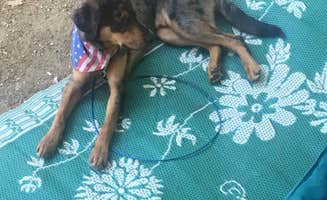
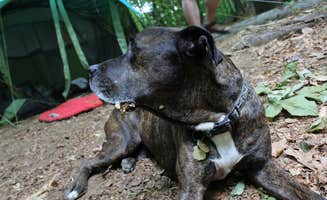
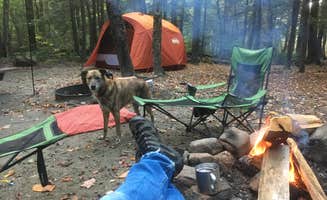
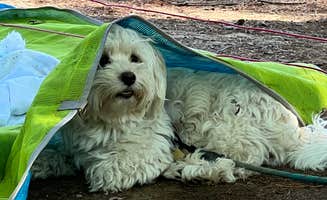
Size restrictions: Many dog friendly campgrounds near Wendell maintain maximum vehicle length restrictions. "Not sure I'd try a really big rig here, but our little 16' trailer fit in great. I don't see any pull through sites," notes Joe S. about DAR State Forest. Most state forest campgrounds accommodate RVs under 30 feet comfortably.








 Ranger


