



David M. Scout
Scout
ScoutJoshua Tree South Entrance
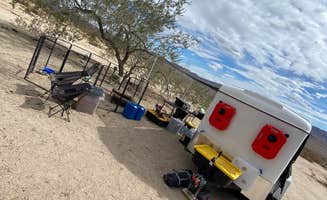
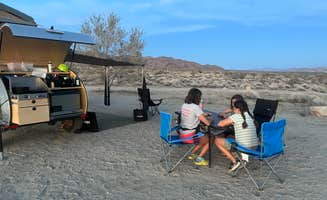
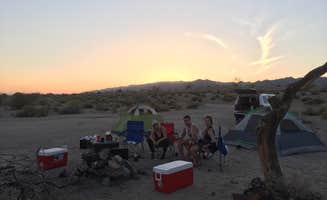
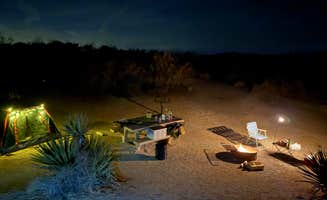
Lots of open space
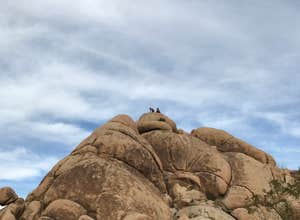
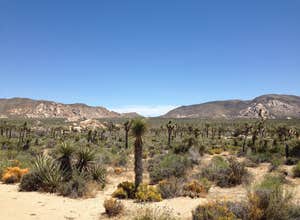
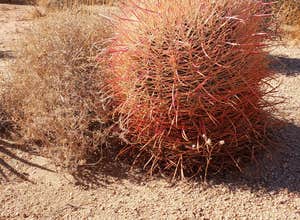
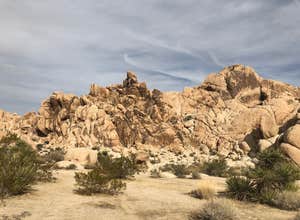
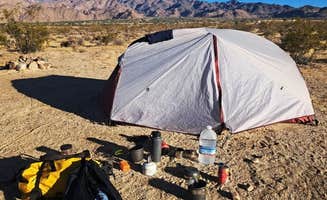
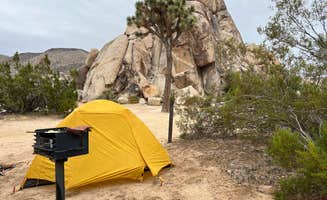
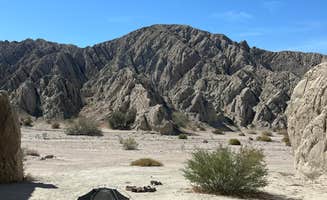
The desert landscapes of Joshua Tree National Park come with camping options both inside and outside the park boundaries. Sawtooth Canyon Campground draws rock climbers who want to be close to good climbing spots. Not far away, Owl Canyon Campground gives campers a quieter place to stay with nice views and basic facilities. Many of these sites require driving on dirt roads, and you'll have an easier time with a vehicle that has good clearance. Hikers can take their pick from many trails that cross through the desert. Since bighorn sheep and desert tortoises live in the area, you need to store food properly to keep wildlife away from your camp. Fire rules change throughout the year because of how dry it gets. Some activities in the park need permits, so check what's currently allowed before you go. The town of Joshua Tree is close enough for quick trips to get food and other things you might need. Campgrounds fill up fast during busy times, particularly on weekends. Most people camp here in spring and fall when it's not too hot or cold. Summer temperatures can get dangerously high for camping. You should make reservations for regular campgrounds, but the Joshua Tree National Park boondocking spots are first-come, first-served. Joshua Tree works well for both adventure-focused campers and those who just want some quiet time in nature.
Compare 2 top campgrounds at a time to find your favorite!
Round 1 of 5
$30 / night
"This campround is super central in joshua tree national park, very close to most of the main attractions in the park. It is a little busy feeling because of that though."
"Joshua Tree National Park is my favorite place to camp. I especially like the Jumbo Rocks campground within the park."
"Nice quiet large spaces with fire rings will fit 40ft+ Rvs right outside the entrance to Joshua Tree national park"
"This is a great free site right at the edge of Joshua Tree National park. Spots are far apart and you don’t have to worry about other people. Area is flat and easy to set up and park on."
$55 / night
"this campground is on the Southside of Joshua Tree National Park. You will not see any Joshua Trees here (they are on the Northside) however, it is definitely a spot to check out."
"Water was a little tricky to find at first because it was tucked next to a campsite that had an RV parked out front. Wildflowers were blooming all around in mid-spring. "
"Clean and pleasant campground in Joshua Tree National Park with great giant rock landscape. Also a short walk to famous Arch Rock!"
"Camping at White Tank during a Joshua Tree summer is a great location in the middle of the park (easy to get there from any of the 3 entrances) and perfectly positions you for some early morning hiking"
$55 / night
"I’ve camped at Joshua tree national park numerous times but this is the first time at this site. It was great. Lots of climbing at hiking at this spot."
"Close to Highway 62, it is located in the north part of Joshua Tree National Park. Surrounded by big rocks, our site was right by the boulders."
"Hidden Valley is pretty much the only first come, first serve campground within Joshua Tree National Park."
"Campground review Similar to all campgrounds in Joshua Tree National Park, it's hard to get a camp site, unless you come midweek or come off-season when it gets hot (mid-may through September)."
"Great location in proximity just outside of Joshua Tree National Park. There are plenty of spots for tents, pop-ups, campers, or RVs. Fire rings are already established."
"But I hadn't planned ahead, and all of Joshua Tree National Park's campgrounds were full. I quickly found out that my initial reaction was very wrong."
$30 / night
"Joshua Tree National Park is a world of it's own. Ryan was a beautiful site with great rock formations all around."
"This camp site was tucked in the back, 12 miles from Joshua Tree park entrance. This site was on the side of the rocks that provided shade for more than 12 hours in the day."
"There are no bathrooms or water here, but you have cell service and a convenience store very close by. This is a great spot to find a free camping site and still be somewhat in your own seclusion."
"It is located right by Interstate 10, right behind General Patton Museum. It is meant for transit camping so just a good break for a long trip. First come first serve so you may not get a spot."
"Right outside the entrance to Joshua Tree NP and very easy to find and identify the spots. Great cell signal and pretty quiet."
"Decent cell phone coverage and lots of open lots on BLM land just outside of park entrance. Large RV friendly on in certain areas. Stay on harder surfaces as you will sink."









 Scout
ScoutLots of open space
 Scout
ScoutI discovered this campground in Joshua Tree when the campground I had grown used to staying at (Ryan) went reserved only. Belle is on a first come, first serve basis, so there's no reservations involved. Roughly east of the campground is a trail that leads to the next one down, White Tank, which is popular because of the natural arch that can be found a short distance from the campsites. Belle itself has 18 campsites which are mostly empty during the week. Weekends are busy though as campers are usually jockeying for a site starting on Thursday nights. All in all, a beautiful place that offers splendid views and clear, crisp nights. Campers beware as it can get very windy at times. Vault toilets and campfire rings, but no accessible water.

 Ranger
Reviewed by: The Crew at Hitched4fun.com
If you are looking for a true alpine backcountry adventure right in Southern California, backpacking into Round Valley Primitive Campsites inside the Mount San Jacinto State Park and Wilderness is an incredible experience. By pairing the world-famous Palm Springs Aerial Tramway with a weekend wilderness trek, you can leave the scorching low desert and step into sub-alpine granite peaks within minutes. Our crew recently packed our gear, caught the tram, and set up basecamp at the Gooseberry site for a Friday-to-Saturday summit push of Mount San Jacinto.
The scenery and wilderness delivered on every level—but the trip also served as a stark reminder that high-altitude nature commands respect.
The Route & Camp Setup (Gooseberry Site)
Taking the Palm Springs Aerial Tramway bypasses thousands of vertical feet of grueling desert switchbacks, depositing you at Mountain Station:
The October Shoulder Season: Nature Changes in Minutes
We chose to hike late in the season during October, and anyone heading up during shoulder months needs to understand high-elevation weather:
A Serious Backcountry Advisory: 50 Years on the Trail Speaks
As someone with over 50 years of hiking and backpacking experience spanning every corner of the American West, what we witnessed on the trail between Round Valley and the peak was alarming.
We encountered dozens of hikers completely unprepared for foul weather:
The Hitched4fun Verdict
Mount San Jacinto Wilderness and Round Valley’s Gooseberry site delivered everything an outdoor enthusiast could want: pristine trails, incredible pine-scented air, and raw wilderness beauty. Just never forget that nature can bite hard if you let your guard down. Pack your layers, bring your essentials, respect the mountain, and you will have an unforgettable journey.
Rating: 5 out of 5 Stars— Highly Recommended by the Hitched4fun.com crew!
 Legend
This was our first trip to Joshua Tree. We thoroughly enjoyed this first come first serve campground. The awesome walks into the park and desert landscape make this a place we will definitely return to. Beautiful night sky and stars . The Granite boulders are beautiful!

 Guide
GuideNice place, rustic, unpublicized, congenial host. It can accommodate a number of vans and RVs, but I was the only guest. There is water and nothing else that is stated in the blurb. A self-contained rig is recommended.
As I explored the premises, I imagined that a small traveling couple or group could enjoy the camp as a peaceful alternative to Joshua Tree or Desert Hot Springs. There is evidence that guests stayed there before, with ample communal space for a campfire experience possibly with libations.
The camp might not be a priority business for the host, thus a work-in-progress or attempted endeavor. It has potential to be a stellar and successful camp if kempt.
Security was my concern, being solo, so I locked down more than usual when I left during the day for a music festival. No issues. I stayed three nights. The location is four miles from Morongo Valley Covington Park and the Big Morongo Canyon Preserve, a hiking attraction.
A bumpy dirt road to get to camp. Unsure if a large RV can traverse it. Call or text is the only way to book. The cellphone number is on Google Maps.
ScoutFree for up to 7 days. Dry camping, but spots are level. Just behind the General Payton Museum. Great spot for heading further.
 Guide
GuideI've stayed at Bashford's a number of times since 2023, in Fall/Winter. I love that you can get into the hot spring tubs any time of day or night, and they also have a nice pool. I've stayed there for a month a couple of times which works out very cost effective. It's near Bombay Beach and the Ski Inn; it's a no frills easy going vibe.

 Traveler
This was my first solo camping trip. The campground fees were $8 per night for single vehicles. Since I have an Access Park Pass, I was able to pay half the amount. So I paid $4 per night. I stayed two nights, so paying $8 for two days was great on my wallet. There are only 18 sites in this small, quiet campground. I picked campsite #7. I chose that campsite because it was quite roomy and had a trail leading to the bathroom, although I brought my own potty tent and set-up. The site had a huge cement picnic table right under a tall tree. There was a campfire ring, but fires weren't allowed at that time because of recent fires in the area. I chose to visit the Santa Rosa Visitor Center before I drove to the campground so I could get information on bears, coyotes, and other dangerous predators. You can also check online for that information. I brought plenty of protection with me. The sites were fairly clean. I always pick up any trash before setting up my camp. Please leave no trash behind. There are trash cans along the main road, and potable water at each campsite. I had such a good time. The only drawback was I couldn't have a campfire, so I had to go inside my SUV because I could hear Coyotes coming closer. I would definitely recommend this campground for anyone wanting to get away from the noisy city. I will be back!
RangerWe stayed in a spot with electric and water hookups but no sewer hookup. My site was decently shaded but unfortunately my A/C was no match for the 110 degree temp.
Joshua Tree National Park sits at an elevation ranging from 536 feet to 5,814 feet above sea level, creating distinct climate zones. The terrain consists of granite monoliths and massive boulder formations that attract rock climbers year-round. Winter temperatures can drop below freezing at night in higher elevations, while summer brings extreme heat with daytime temperatures regularly exceeding 100°F.
Rock climbing at popular spots: Jumbo Rocks Campground offers excellent climbing opportunities within walking distance. "I love this spot specifically because it is a great place to climb. It's conveniently close to skull rock and discovery trail," notes Andrea C.
Night sky viewing: The dark skies make stargazing a prime activity. "I recommend visiting during a new moon. The sunsets and night sky have to be some of the best in the world," shares Chance C. from Jumbo Rocks. Many campers bring binoculars or telescopes for viewing the Milky Way.
Visit historical sites: The Chiriaco Summit Dry Camp Area sits next to the General Patton Memorial Museum. "Tomorrow we will tour, The General Patton Memorial Museum before we head towards Arizona. The tanks look amazing and my kids are so excited," writes lauralee H.
Boulder exploration: White Tank Campground features unique rock formations for climbing and photography. "The hiking here is super fun, you feel like a real life spiderman. It is easy to get lost on the rocks so make sure you keep track of where in the area you are," advises Hayley K.
Secluded sites: Campers appreciate privacy despite the park's popularity. "We had spot 90. It was very secluded & nestled into the rocks. If you have a tent, this is the spot to be," recommends Anna R. about Indian Cove Campground.
Cell signal availability: While most of the park lacks service, some areas maintain connectivity. "Great cell signal here, but keep in mind that within Joshua Tree NP there is poor, almost non-existent cell signal," notes Laura M. about dispersed camping areas outside the park boundaries.
Wind conditions: Strong winds can impact camping comfort. "During the warmer months, the wind gets so intense! Gusts up to 70 mph at times. Be sure to hunker down and put away your folding chairs," warns Christopher from White Tank Campground.
Campsite size limitations: Many sites can't accommodate larger setups. "Campers beware that the sites are close together and have limited space for campers. We have a RTT with a fold out annex. There are boulders along the road side that do not allow you to pull into the sites," cautions Mark D. from Jumbo Rocks.
Water planning: Cottonwood Campground has running water, but most don't. "Nice campground without hookups but flush bathrooms and fresh water. Sites are kinda small, but we had a backin that fit our 26' trailer easily," says William J.
Bouldering opportunities: Kids enjoy scrambling on the rocks near campsites. "The kids liked biking the loop. The scenery and starry night sky are breathtaking," mentions Kathleen D. about Ryan Campground.
Group site options: Family gatherings work well at designated group areas. "The group sites are spacious and include a number of areas to pitch all tent sizes. We were within walking distance of the visitor's center but it remained quiet," reports Sunshine S.
Wildlife watching: Look for desert animals during dawn and dusk hours. "We spent our days scrambling across the rock formations—each turn revealing a new panorama—and our nights marveling at the Milky Way in one of the best dark-sky locations in California," shares Jama A.
Avoid soft sand areas: Many access roads contain patches that can trap vehicles. "Be careful of the sandy areas, got dug in with my sprinter and needed someone to pull me out," warns Andy D. about dispersed camping at Joshua Tree South.
Site selection for leveling: Look for level spots that require minimal adjustment. "The sites are paved but need some leveling. If you choose a pull through, your driver's side slide will be facing the road," advises William J. at Cottonwood Campground.
BLM alternatives: When park campgrounds fill, check nearby Bureau of Land Management areas. "This BLM land is managed by the Palm Springs-South Coast Field Office and is not in JTNP itself. There are many, many spots here, so you are almost sure to find a spot to camp even if it's crowded," explains Laura M.
Frequently Asked Questions
Do I need reservations for camping in Joshua Tree National Park?
Yes, reservations are highly recommended for camping in Joshua Tree National Park, especially during peak seasons (fall through spring). Most developed campgrounds within the park require reservations through recreation.gov. If you miss booking a site, consider Joshua Tree South Dispersed Camping, which offers free, first-come, first-served camping just outside the park's south entrance. Another alternative is Joshua Tree South - BLM Dispersed, which provides flat, spacious sites with existing fire rings near the park entrance without requiring reservations. These BLM options are excellent backup plans when park campgrounds are full.
What are the best campgrounds in Joshua Tree National Park?
Joshua Tree National Park offers several exceptional camping experiences. Jumbo Rocks Campground is highly rated for its central location and iconic rock formations that create a magical desert landscape. Indian Cove Campground is another favorite, featuring beautiful rock formations with excellent climbing opportunities and hiking trails nearby. Both campgrounds provide the quintessential Joshua Tree experience with stunning scenery and stargazing. The park also offers smaller, more intimate options like Ryan Campground and White Tank Campground, each with their own unique character and proximity to different park attractions.
What amenities are available at Joshua Tree National Park campgrounds?
Joshua Tree National Park campgrounds offer basic amenities. White Tank Campground provides vault toilets and fire rings in a scenic setting near Arch Rock. Ryan Campground similarly offers pit toilets and picnic tables surrounded by impressive rock formations. Most park campgrounds lack running water, showers, and electrical hookups. Campers should bring all necessary water, as potable water is only available at a few locations like the visitor centers. Cell service is limited throughout the park. For those seeking more amenities, look to campgrounds just outside the park, which may offer water, electrical hookups, and shower facilities while still providing convenient access to the park's attractions.
Are there private camping options near Joshua Tree National Park?
Wanderust Getaways 29 Palms offers a private primitive camping experience approximately 30 minutes from Joshua Tree National Park. This site features an observatory for stargazing enthusiasts, though you'll need to pack in and pack out all supplies. Another option is Chiriaco Summit Dry Camp Area, which provides free camping with nearby conveniences like a store and cell service. While there are no bathrooms or water on-site, it offers seclusion and excellent night skies. Sportsman's Club in Twentynine Palms is just ten minutes from the park with flat sites, hookups for RVs, and firewood available for purchase.
Keep Exploring