












 Guide
GuideJoshua Tree South Dispersed Camping
Busy, but a nice place to stay right outside of Joshua Tree National Park
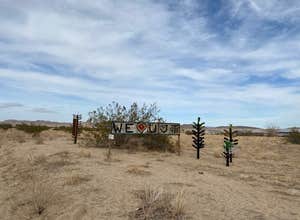
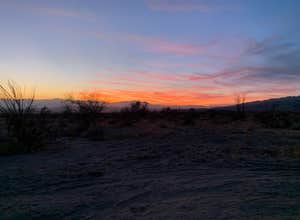
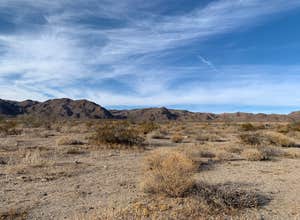
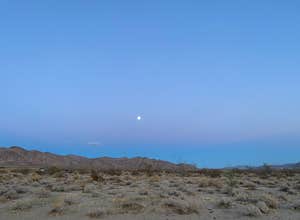
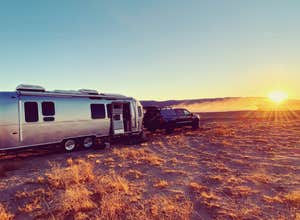
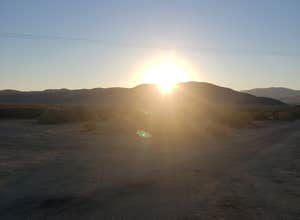
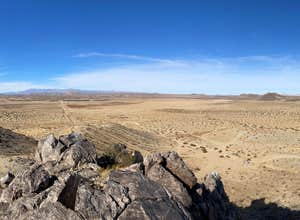
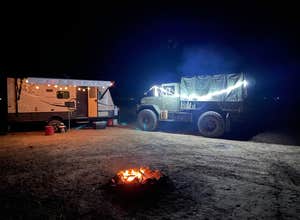
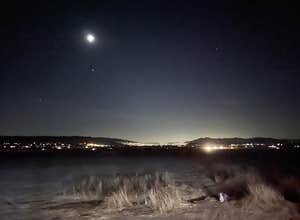
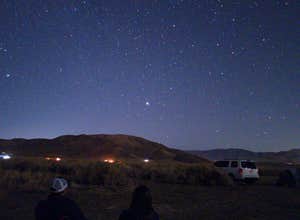
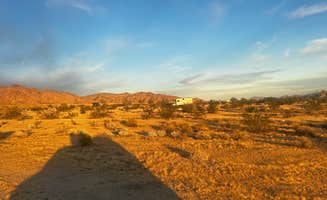
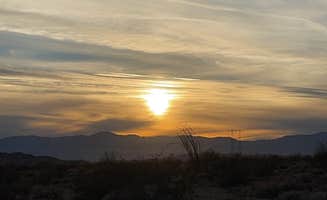
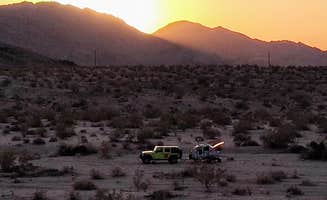
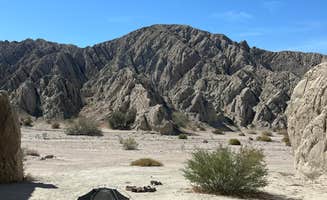
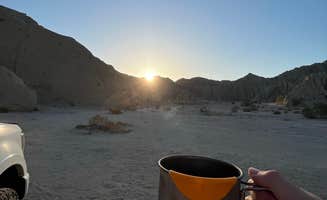
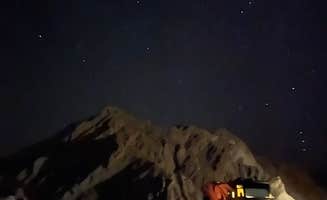
I didn't originally want to stay here; it wasn't that far off the highway, there was lots of trash along the main road, and the immediate landscape was pretty barren. But I hadn't planned ahead, and all of Joshua Tree National Park's campgrounds were full. I quickly found out that my initial reaction was very wrong. This spot gets beautiful sunsets, is great for stargazing, and I had no complaints. I thought the light from the Coachella Valley would be too much to see the stars, but I popped out of my vehicle around midnight and the sky was incredible.
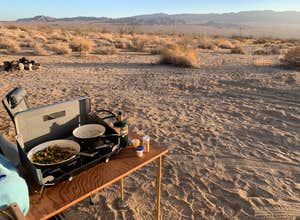
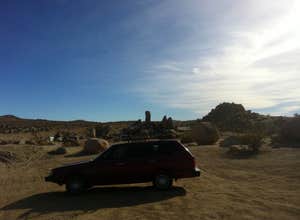
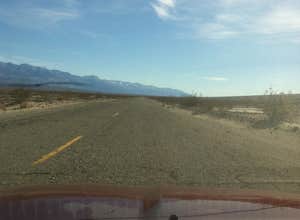
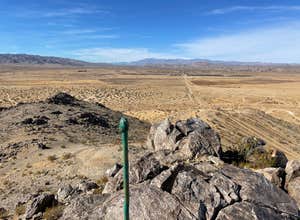
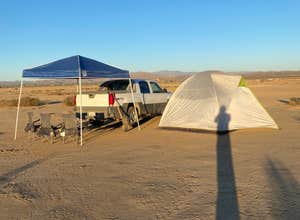
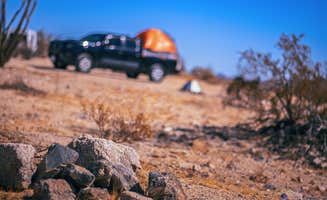
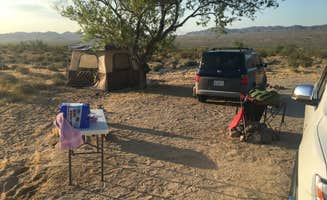
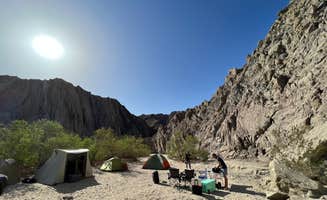
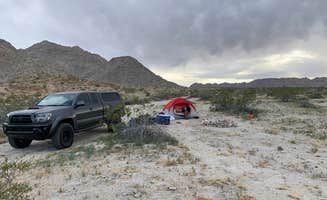
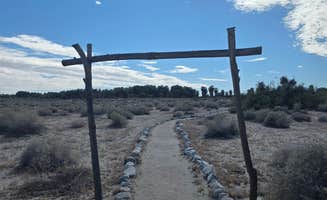
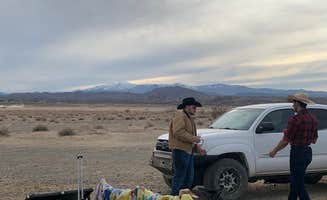
The campground: You can camp in the areas both to the left and right of the main road that goes from the highway up into Joshua Tree. If you're coming from the highway and see the Joshua Tree National Park sign, you've gone too far. Once you're off the main road things become really bumpy with ruts, dips, and one area that's been completely washed out, but I saw everything from cars to large RVs navigating this road. It's definitely easier to navigate during the daylight. There were so many places to camp that I was able to choose a spot I was most comfortable with while traveling solo. The campsites vary in their degree of cleanliness and level land. I found a couple bottle caps at one of my sites, but nothing major. Most of the sites have a rock fire ring (heads up: you may need a permit in CA for a fire, and always check in with the state's current fire restrictions). The area had quite a few campers, but the spots are spaced nicely and there's plenty of room to keep driving further off the main road to find a spot that's not around other campers. (If you're looking for somewhere that feels secluded, however, this is not it.) While I didn't notice much noise from the highway, there was a little bit of noise from campers arriving later in evening. The main downside to this campground was the wind. Both nights it was very windy. I definitely saw people camping in tents, but I also saw people really struggling to put up and secure their tents in the wind.
The area: The campground is right at the South Entrance to Joshua Tree, which is the Colorado Desert section of the park. (Mind you, it can take over an hour to get to the Northern area of Joshua Tree.) It's about 10-20 minutes away from Joshua Tree's Cottonwood Visitor Center, a picnic area with bathrooms (at the front of the Cottonwood campground), and the Lost Palms Oasis. There's also a gas station & small café about ten minutes down the highway (heading East); the gas there is pricey, but they have a decent sized food mart to go with it.
Booking: This is a dispersed BLM campsite; no booking or fee. Just drive in and find a spot.
Cell Service: Where I camped, I could use the internet and make calls no problem with Verizon, but there's very little cell service once inside the park.


