Okanogan-Wenatchee National Forest spans over 4 million acres across central Washington, with elevations ranging from 1,000 to 9,000 feet. The area experiences distinct seasonal changes with hot, dry summers reaching 90°F and cold winters where many campgrounds close from October through April. Forest roads accessing campgrounds often remain unpaved with variable conditions depending on recent weather.
What to do
Hiking to alpine lakes: Access trail systems directly from Eightmile Campground where numerous paths lead to high elevation lakes. "There are not just a ton of choices if you are visiting Leavenworth. Velvet buck was eating next to our class c the next morning," notes Travis H.
Mountain biking from campsites: Several trail networks connect directly to camping areas in the Teanaway region. "If you are a mountain biker, this spot will not disappoint with the trail system right out of camp," explains Silas from his visit to Teanaway.
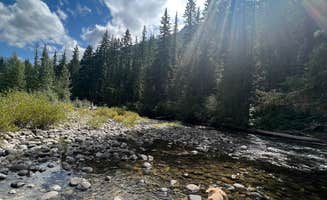
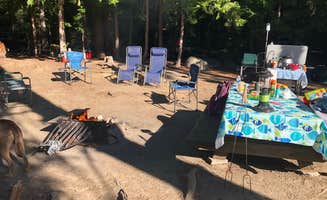
River activities: Cool off during summer months at Johnny Creek Campground where the water provides relief from heat. "Our campsite was away from the road along the river. It had a fire pit, picnic table and a few spots to put up our tent," shares Kristi S.
Wildlife viewing: Observe native animals in early mornings near water sources. "We saw deer close to this site," reports Christy A. about Lower Johnny Creek, while others mention seeing black bears across rivers from campsites (always maintain safe distances).
What campers like
River proximity: Bridge Creek Campground provides immediate water access from most sites. "There's a pretty nice beach along that end. Dogs aren't allowed on that beach, though," notes Pete B., who appreciated sleeping near Icicle Creek.
Private, wooded sites: Salmon La Sac Campground offers separation between campers. "Old growth forests abound, camp sites were spacious and private. Fishing is available from two rivers the Cooper and the Cle-Elum both within walking distance," Donald C. explains.
Clean facilities: Campground hosts maintain facilities well across the region. "Toilet was very clean. Area did not seem as packed in as Eightmile Campground down the road," observes Jack T. about Lower Johnny Creek.
Accessibility to towns: Many campgrounds sit within 20-30 minute drives of supply points. "We pulled into this pretty late last night and were happy to still have found a place. It was overall quiet, gentle and welcoming," Cassiey K. writes about Teanaway Campground.
What you should know
Early arrival necessity: Weekends fill quickly, especially during summer months. "Show up early to get a good spot because things get crowded fast," advises Brit B. about popular locations.
Variable water access: Not all campgrounds offer reliable water sources. "Limited potable water (all hand pumps and only 1 or 2 were working during our visit)," reports Christopher N. about his experience.
Seasonal closures: Most forest campgrounds operate from April/May through September/October. "It is an incredibly beautiful part of the state but wow the secret is out for sure! We drove around for quite a while and we finally right before dark found 1 campsight open," explains Jenelle K.
Highway noise considerations: Some campgrounds experience traffic sounds. Lake Easton State Park Campground visitors note: "Nice state campground, well kept, beautiful lake if you can get one of the lakeside spots. We had site #11, and the road noise was just too too loud for me. Definitely try to get a spot away from the road."
Tips for camping with families
Swimming access: Look for campgrounds with designated swimming areas for children. "The campground sites have enough separation between them to prevent pets from feeling crowded," while "sites vary with privacy and shade. River access between some sites."
Kid-friendly amenities: Some locations offer dedicated recreational facilities. "Small playground with a basketball court by the bathrooms. Lovely river walk trail follows the Yakima River. Activities for children such as the Jr. Ranger program," Trevor M. shares about his experience.
Wildlife education opportunities: Kachess Campground provides nature observation settings. "We also had a lot of fun riding our bikes throughout the campground. The views from out site were awesome," says Christopher F. about the family-friendly layout.
Noise management: Quiet hours typically run from 10pm-6am. "Despite being busy during peak season, keeping barking disturbances minimal for neighboring campsites." Many reviewers note enforcement helps maintain peaceful evenings.
Tips from RVers
Size restrictions: Check campground limits before arriving with larger rigs. "Not good for campers longer than 24ft. This campground is for dry-camping," warns Christy A. about certain areas.
Limited hookups: Most forest service campgrounds offer no electricity or water connections. "No power, hookups or dump station. Only real complaint is low water pressure at water stations," Norris K. reports from Eightmile Campground.
Leveling challenges: Many sites require blocks or leveling systems. "Paved road gravel parking space big enough for a trailer/camper," Trevor M. explains about his experience in the region.
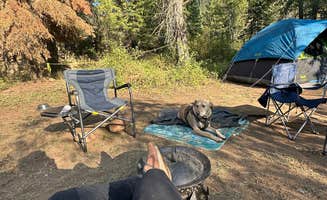
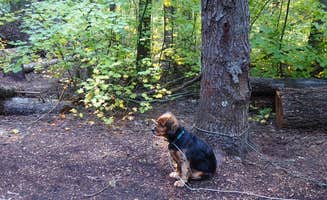
Dog friendly campgrounds in Okanogan-Wenatchee National Forest: Nearly all campgrounds allow leashed pets, but specific areas may have restrictions. "Leashed pets are welcome throughout the campground's shaded pine areas," while river areas provide cooling options for dogs during hot weather.








 Scout


