Mathews Arm Campground in Shenandoah National Park offers river and forest views at an elevation of 2,460 feet, with temperatures typically 10-15 degrees cooler than in Sperryville. The campground operates seasonally from May through October, with sites available on both reservation and first-come-first-served basis. Fall camping brings spectacular foliage displays when temperatures range from 40-65°F during October visits.
What to do
Hike to waterfalls nearby: Big Meadows Campground provides access to multiple waterfall trails. "There are several campsites available at this National Park. I like this campsite particularly because its close to one of my favorite waterfall hikes in VA," notes Tom C. The area features numerous cascades within hiking distance of campsites.
River activities: Float trips on the Shenandoah River are popular during summer months. At Low Water Bridge Campground, "You obviously will need two cars or someone to drop you off before or pick you up after your float. A nice chill float would be from the campground to Shenandoah River State Park (around three miles)," advises RL. The river current varies seasonally, with calmer conditions typically found in late summer.
Dark sky stargazing: The northern section of Shenandoah National Park offers excellent night sky viewing with minimal light pollution. "We love to camp in Big Meadows - and for the star watching at night," shares Rachel M. The best viewing periods are during new moon phases and clear fall evenings when humidity levels drop.
What campers like
Wildlife viewing opportunities: The campgrounds throughout the region provide regular animal sightings. At Shenandoah River State Park, "Wild life is visible everywhere you go," according to Melissa T. Morning and evening hours typically yield the most wildlife activity, with white-tailed deer being the most commonly spotted animals.
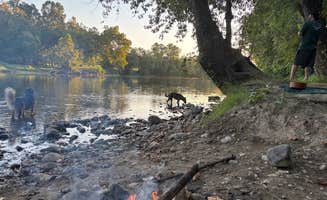
Riverside camping spots: Many campers appreciate direct water access. "The primitive spots are right next to the river. The spots are a short walk from the parking area and the campground provides wagons to transport your stuff. Great fishing and swimming right at your camping spot," shares Matt P. about Shenandoah River State Park. River sites typically cost $2-5 more per night than standard sites.
Clean facilities: Well-maintained campgrounds make stays more comfortable. "Virginia has the best state park campgrounds. Water and electric. Large sites. The bathrooms are clean with separate shower rooms," notes Adam and Suzanne B. Most park bathhouses feature hot water and are cleaned daily, though primitive campgrounds may only offer vault toilets.
What you should know
Limited cell service: Many campgrounds in the area have poor connectivity. At Gooney Creek Campground, visitors note the remote setting means no reliable service. "There is absolutely no Verizon service here (ATT seems to work pretty well). You'll have to drive 10-15 in either direction on Rt. 211 before you can catch a signal," writes RL about Low Water Bridge Campground.
Bear safety requirements: Food storage regulations are strictly enforced throughout the region. "There are no bear boxes at this campground, but there are indeed bears, so keep all food in your car," advises Eric K. Campers must secure all food items, coolers, and scented products in vehicles or bear-resistant containers overnight and when away from campsites.
Seasonal considerations: Weather and crowd levels vary significantly throughout the year. "We camped here the last night of the season (Nov30) and shared the campground with a mix of tent campers, car/van campers, and a few larger units. It was an especially cold night hitting a low of 14F," reports Carol B. about Big Meadows. Spring brings unpredictable weather while fall weekends often require reservations weeks in advance.
Tips for camping with families
Kid-friendly activities: Yogi Bear's Jellystone Park offers numerous amenities for children. "The kids loved running off in the open field and playing on the zip line. We loved that we could see them from our site. The birthday boy also loved the outdoor laser tag!" shares Jen O. The park includes jumping pillows, paddle boats, and swimming areas with seasonal programming.
Less crowded weekday visits: For quieter family experiences, avoid peak weekends. "Quiet during the week. I have heard that weekends can get a little rowdy," notes Glen W. about Low Water Bridge Campground. Mid-week camping typically offers more space between sites and shorter lines for amenities, especially during summer months.
River safety awareness: When camping with children near water, extra precautions are needed. "The current can be strong, so be mindful of the river level," cautions RL. Life jackets are recommended for all children near riverfront sites, and supervised swimming areas can be found at developed campgrounds like Shenandoah River State Park.
Tips from RVers
Site selection advice: Mathews Arm Campground offers various RV accommodations but requires careful site selection. "Sites are large but many are lined up right next to each other. I recommend staying away from A72 to the end of A. They're lined up too closely for my taste, and there isn't much shade," advises Mary S. RVers should request specific loops when making reservations.
Limited hookup options: Many campgrounds in the national park have no hookups. "Our site, B112, was surrounded by shrubs under the canopy of trees which provided tons of privacy. Plus the accessible site across from us was empty during our whole stay, which added to the privacy," shares Veronica S. about Big Meadows Campground. Most national park campgrounds have generator hours limited to 8-10am and 4-7pm.
Level site availability: Finding flat parking can be challenging in mountainous terrain. "The site was level, at least 28 was. You can't go wrong With the pergola and mountains view," reports John L. about Luray KOA. Private campgrounds typically offer more level sites for larger RVs, while national park campgrounds may require additional leveling blocks.










 Traveler


