The Spring Valley area sits in the southeastern Minnesota bluff country at approximately 1,200 feet elevation, characterized by unique limestone formations and spring-fed rivers. Most campgrounds in this region maintain accessibility from April through October, with limited wintertime options at state parks. Nighttime temperatures can drop significantly even during summer months, particularly in the valley areas near water.
What to do
Cave exploring: Forestville Mystery Cave State Park Campground offers guided tours of Mystery Cave, an extensive underground system. "I came here to explore the caves and it blew me away. I think the cave was around 12-13 miles long and there was water and different formations. The floor was really wet so bring shoes you won't slip in," notes Kevin T. Tours cost $15 for adults and $10 for children ages 5-12.
Cycling: The Root River Trail System connects multiple campgrounds in the area. "The Root River Trail System runs right along the campground. We spent most of our time exploring the trail, visiting Lanesboro and Whalen," explains Jason S. about his experience at The Old Barn Resort. The paved trail offers relatively flat terrain suitable for riders of all experience levels.
Tubing: Several campgrounds provide river access and equipment rentals. Eagle Cliff Campground offers a convenient shuttle service for tubing. "The campground rents out tubes as well as provides a shuttle to the starting point and you float down to the campground," shares Jennifer M. A typical float takes 1-2 hours depending on water levels and entry points.
What campers like
Historical sites: Visit the restored 1800s village at Forestville. "We did not see the caves. Camp ground was nice. Adequate shower facilities. Very nice trail system, very will maintained trails all through park. Historic Forestville is a fun stop (additional $)," describes ERolf P. The village operates as a living history museum with interpreters in period clothing.
Quiet camping spaces: Maple Springs Campground offers secluded sites away from highway noise. "This campground is small and quaint...plenty of space without being too close to your neighbors. Super easy to social distance here," notes Kim H., adding it's "quiet and mosquito free campground on the root river." Trout streams border many of the campsites.
Dark skies: Schmidt Farm by Forestville provides exceptional stargazing opportunities. "A quiet, back to nature experience under dark skies," writes Karen S. The farm's location away from town lights creates ideal viewing conditions for astronomical observation, with minimal light pollution compared to other regional campgrounds.
What you should know
Limited connectivity: Cell service is inconsistent throughout the region. "There is NO CELL SERVICE in the campground - no Verizon, ATT or T-Mobile. Wifi down at the ranger office," reports Jim C. about Forestville Mystery Cave State Park. Some campgrounds offer WiFi near their offices or common areas, but coverage can be spotty.
Weather considerations: The valleys can retain moisture after rainfall. "It was very wet, standing water in the grass from lots of rain," reports Andy C. about his experience at Maple Springs Campground. The limestone and sandstone terrain absorbs water slowly, creating muddy conditions that may persist for days after precipitation.
Reservation requirements: Most campgrounds fill quickly during summer weekends. "If you go on weekend probably need to make reservations," advises Jim C. regarding cave tours at Forestville. State parks typically allow reservations up to 120 days in advance, while private campgrounds may have different booking windows.
Tips for camping with families
Kid-friendly activities: Lake Louise State Park Campground offers fishing without licenses. "This is a great family park where the kids and grown-ups can have fun! You can go fishing at the pond without having to purchase a Minnesota Fishing License," notes Rodney A. The park maintains a small lake stocked with panfish and some trout.
Swimming options: Several campgrounds provide water recreation areas. "There's a covered swimming pool, golf course, right on the bike trail, near Root River, and great restaurant," Sheena B. mentions about The Old Barn Resort. Most swimming areas close by early evening, with pool hours typically running from 10am to 8pm during peak season.
Educational opportunities: Nature programs are available at state parks during summer months. "We hiked, took trout fishing lesson, sat at the beach and had relaxing evenings by the fire," shares Melissa H. about Whitewater State Park. Programs typically run on weekends and require no additional fees beyond park admission.
Tips from RVers
Hookup availability: Whitewater State Park Campground offers electrical sites with varying accessibility year-round. "We visited in winter (February) and while there was snow on the ground, the spaces were kept plowed with easy access to the electric boxes," reports Amy G. The campground maintains plowed access to electric sites throughout winter months.
Site sizing: Some campgrounds have limited space for larger rigs. "Some sites are tight for large motor homes, 5th wheelers and travel trailer," Dan K. notes about Eagle Cliff Campground. RVs over 35 feet should verify site dimensions when making reservations, particularly at older campgrounds with tree-lined approaches.
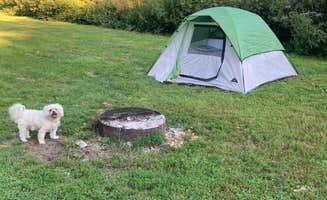
Pet guidelines: Multiple pet-friendly camping options exist near Spring Valley. "Lots of families with children, couples of all ages and well behaved dogs everywhere," Jen M. observed at Maple Springs Campground. Most campgrounds require pets to remain leashed at all times, with designated exercise areas at some locations.









 Traveler


