



don B. Scout
Scout
ScoutRagland Bottom
Site 5
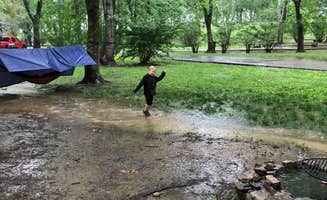
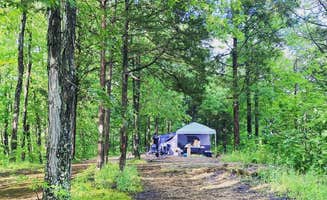
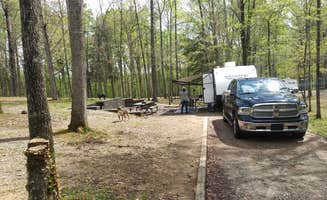
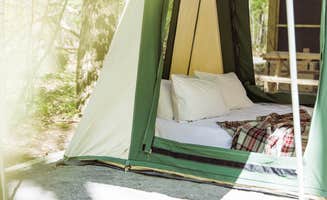
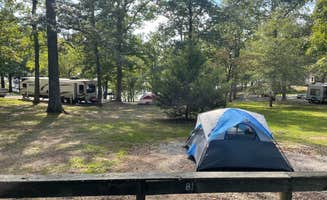
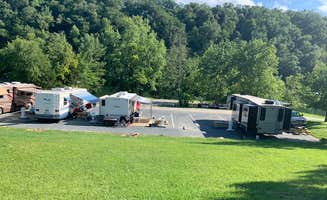
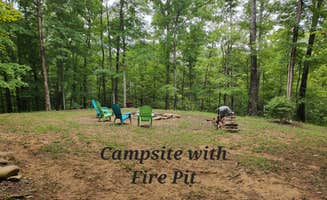
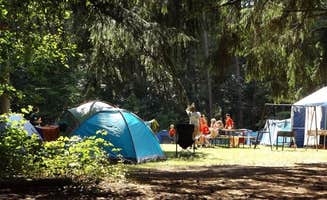
Nice campground, spaces are a little tight but not bad. Restrooms are clean.
Camping around Dale Hollow Lake includes several good options, with TennesseeAmy R and Kendall Campground among the most used sites. TennesseeAmy R has enough room for both tents and RVs with sites spread out for some privacy. Over in Jamestown, KY, Kendall Campground keeps their bathrooms and grounds in good shape, and you can walk to hiking trails from your site. Spring and fall work best for a trip here - the weather stays mild and the trees look great. The lake gets pretty hot and sticky in summer, so come prepared if you visit then. You should book ahead, particularly on weekends and holidays when these places fill up fast. Some campsites sit further apart than others if you want more quiet. Most areas have decent tree cover to block the sun when it's hot. Always check if the campgrounds close during certain months before you drive out. The lake draws lots of people who like to fish and boat, and you'll see plenty of both activities. Dale Hollow Lake works well whether you bring a tent or drive up in an RV.
Compare 2 top campgrounds at a time to find your favorite!


Round 1 of 5
"Standing stone is a small campground that sits in a wooded area surrounded by green rolling hills and farmland."
"Although our campsite was listed as 42 foot in length our TT is 32 feet), my very experienced in driving a trailer husband had to take several attempts to back in due to trees closely lining the road and"
$30 - $55 / night
"Kids can ride their bikes around the circle. Playgrounds are everywhere. Very clean. Full hookups. Nice pool and mini golf too!"
"Dale Hollow Lake State Resort Park is right on the Kentucky/ Tennessee boarder and not a short drive from anywhere. It is out in the farmlands, but worth the drive."
$36 - $75 / night
"Nice water view from our site and a short walk to shower facility. Location of campground: a car ride away from activities. Not a bicycle friendly area.(hills and roadways)."
"Did a drive around of the campground. Spacing looks great between sites. Sites look clean and level. Some sites are next to the Obey River. Will be camping here in the near future."
$15 / night
"Cove Creek at Dale Hollow lake in TN is a primitive campsite with lakeside camping. There are water faucets for drinking water and a pit toilet available."
"We took a pontoon boat out to Kemper Flats on Dale Hollow lake for a few days relaxing fishing. Primitive site, island with a porta toilet. Camp right on the side of the lake, very quiet and peaceful"
$22 - $50 / night
"Lillydale sits on Dale Hollow Lake, which -- for some delightful reason -- has serious limits on development."
"We stayed at site #61 - the lake was literally steps away from our door, and it was a no wake zone (the lake comes to a dead-end back by this row of campsites, so there isn't a lot of boat traffic)."
$26 - $56 / night
"The sites can be a tight squeeze, we have a 30ft trailer and had a hard time backing in because the trees were so close to the road."
"It has a boat ramp small beach area and is surrounded by water on 3 sides. Water is accessible from multiple points, getting down to the water is easy its a decent climb coming back."
"The entire property is beautifully landscaped, and you instantly feel completely tucked away from the rest of the world. It is directly across from the entrance of Cummins Falls State Park!"
"I would stay away from the pull through sites by the bathroom if You prefer privacy."
$26 - $56 / night
"Obey River Park is a lake front campground on one of the best lakes in Tennessee, Dale Hollow Lake. The waters of Dale Hollow are so clean, clear, and almost turquoise in color."
"Stayed close to the playground. Kids loved playing and being close to the site."
$15 / night
"You are surrounded by trees with a fabulous open spot to view the heavens. Come enjoy this little bit of paradise."





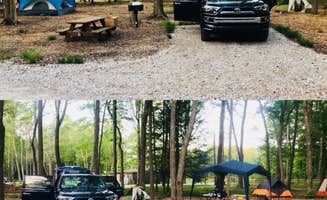


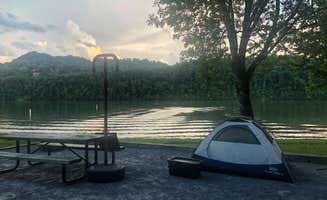

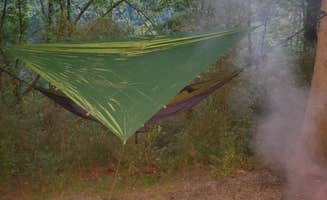 Scout
ScoutNice campground, spaces are a little tight but not bad. Restrooms are clean.
 Guide
GuideThis looks like a nice campground, but I just needed to sleep. I asked for the least expensive site and was told $70. The WiFi didn't even work. Under new ownership and was told it would be getting better. They claim to be the friendliest dog RV Park in America, but they don't even have a dog park so I don't know why they think they're the best.
 Guide
GuideVery beautiful and peaceful. The lake water is on point. All clean and well maintained
GuideCame in later than expected but secondary station still open to register for a site.

 Traveler
Campsites are close together. We were only there 1 night. It was peaceful and quiet. All sites are gravel with fire ring and picnic table. They have some sites FHU, some water & electric, and primitive sites. A nice pool is on site. Looked like a nice playground and dog areas.
 Traveler
I was a visitor to this park. Doris has zero interest in being friendly or welcoming. The only signage that reads, you must visit their dirty little office and register, is what you see in the photos posted, partially hidden by tree branches as you approach. It was my third visit before I actually saw it and that’s only because it was pointed out by the person I was visiting. And they don’t care if you give them your info, doesn’t even ask, just demands your $5. After the owner Doris read a Google review left by another person that was treated poorly by her, she assumed it was left by me for spite and kicked my friend that stayed there out. Had she bothered to actually take my info instead of my money she would have realized I wasn’t the one that left her a bad review, but another visitor leaving an unsatisfactory review perpetuated by her rudeness.. if you value your peace and want your visitors to feel welcome, please choose another place to give your hard earned money to.
 Traveler
The campground was nice and quiet, hardly any people especially on the 4th of July holiday weekend. Campground bathrooms were clean.
 Guide
GuideWe had a decent tent camping experience here. They have all the amenities. The showers were great, but I saw a rat in the pool. The tent camping was a bit creepy, with very dim lights, and the picnic tables were quite dirty.
 Scout
ScoutLovely 5 site park on the family farm. 30/50 amp water and sewer. Exrtremly quite park
Enjoyed our stay. Debbie and Ernie were wonderful to work with. Had a cloudy night so didnt get to see sunset. But heard they are marvelous.
Dale Hollow Lake campsites span across both Tennessee and Kentucky, with the lake covering approximately 28,000 acres and reaching depths of 150 feet in some areas. The water remains notably clear throughout the season, with visibility extending 10-15 feet below the surface in many areas. Dale Hollow camping options offer both developed campgrounds with electrical hookups and primitive sites accessible only by boat.
Fishing for smallmouth bass: Dale Hollow Lake is renowned for record-breaking smallmouth bass catches. "The lake is known for great fishing and boating as well. The campground is pretty large and just about every site has a lake view, and many are lake front with lake access," notes a visitor to Obey River Park.
Kayaking in secluded coves: The lake features numerous small inlets perfect for paddling exploration. "The lake has dozens of little 'fingers' and 'tendrils,' making for great little coves to paddle, explore, or just find some peace and quiet," according to a camper at Lillydale Campground.
Stargazing in dark sky territory: Pickett County near Dale Hollow has minimal light pollution for exceptional night views. A camper notes: "Pickett County Tennessee is one of the few places in the world with a Dark Sky rating, meaning there is little to no light pollution. Tuscarora Glade is so dark at night and the stars are just so brilliant."
Swimming in clear waters: The lake offers multiple swimming opportunities with exceptional water clarity. "The beach and swimming area is clean and the water is crystal clear," reports a visitor to Willow Grove Campground.
Lakeside accessibility: Many sites allow direct water access from your campsite. "If you get a lakefront site you can throw your kayak or float in right at your site. You can't go wrong in site selection," writes a camper at Obey River Park.
Limited shoreline development: Unlike many popular lakes, Dale Hollow remains largely undeveloped. "Dale Hollow Lake, which -- for some delightful reason -- has serious limits on development. This makes for green hillsides, clean water, minimal power boats, and very, very few houses or businesses along the shores," notes a reviewer at Lillydale.
Primitive island camping: For those seeking a more remote experience, island camping offers unique opportunities. "We took a pontoon boat out to Kemper Flats on Dale Hollow lake for a few days relaxing fishing. Primitive site, island with a porta toilet. Camp right on the side of the lake, very quiet and peaceful," writes a camper at Dale Hollow Lake - Primitive Camping.
Circular campsite layouts: Several campgrounds feature unique spoke-wheel site arrangements. "The sites are laid out like 8 spokes in a wheel, with plenty of space between sites," observes a visitor to Dale Hollow Lake State Resort Park.
Boat-accessible sites require planning: Some of the best camping requires water transportation. "We reached Kemper by pontoon boat from Willow Grove Marina a short 20 min ride. Nice site primitive cabin toilet no water faucet. Bring it in, take it out," advises a camper.
Cell service limitations: Connectivity varies widely throughout the area. "There was no wifi or cable/TV connection and we had zero cell phone coverage (our carrier is T-Mobile)," reports a camper at Lillydale Campground.
Reservation necessities: Plan ahead, especially for waterfront sites. "If you want to do the hike which I highly encourage it. Pro tip if you want to go on the hike go early almost right when the park opens. There are less people which makes the hike more enjoyable," recommends a visitor to Old Mill Camp.
Remote location considerations: Many campsites require substantial driving on rural roads. "The road is about 13 miles from the main road so make sure you have everything before you set up camp! The marina does have a convenience store and ice," advises a camper at Willow Grove Campground.
Campground amenities for children: Several campgrounds have dedicated facilities for younger visitors. "Beautiful sites and lots of good exploring and kid activities," reports a camper at Standing Stone State Park. Another mentions: "Had a pool, volleyball courts, short hikes, and soccer fields."
Swimming safety features: Designated swimming areas with gradual entry points make water access safer for children. "Our family just returned from a 4-day stay at Lillydale and we couldn't have been more pleased. We stayed at site #61 - the lake was literally steps away from our door, and it was a no wake zone. I felt completely comfortable with my kids swimming just off-shore next to our site," shares a parent.
Site selection for group camping: Circular camping layouts work well for family gatherings. "Campsites are on loops off the main loop/road. It puts 7-8 sites in a circle so it's possible for families to rent multiple site in same loop. Plenty of room for kids to play and also has a swimming pool!" notes a visitor to Dale Hollow Lake State Resort Park.
Hookup variations: Electric service differs between campgrounds. "30 amp service only," notes a camper at Deep Valley Campground, while others offer 50-amp connections.
Site leveling challenges: Some campgrounds require extra equipment for proper leveling. "The site was very unlevel as well. It was list to have a 'slight' grade and I'd beg to differ on that. We were backed up to overhang the site and maxed out our tongue jack and was barely able to get level," reports a visitor to Standing Stone State Park.
Water hookup distance: Be prepared with extended hoses at certain campgrounds. "I also wish they would have mentioned the length to water hookup. We ended up having to go buy a longer water hose bc the hookup was more than 30 foot away. We now keep a 50 foot hose."
Access route considerations: Larger rigs may have difficulty navigating to some campgrounds. "The south entrance is a single lane bridge with a sharp turn so longer rigs need to come in on the north end," advises a camper at Standing Stone State Park.
Frequently Asked Questions
Where are the best campgrounds on Dale Hollow Lake?
Dale Hollow Lake offers exceptional lakeside camping experiences. Lillydale Campground And Day Use is highly recommended for its clean, quiet environment and minimal shoreline development, creating a peaceful atmosphere with clean water and green hillsides. Obey River Park is another excellent option with lakefront sites on the crystal-clear, turquoise waters of Dale Hollow. For those seeking primitive camping experiences, there are island sites like Kemper Flats where you can camp right at the water's edge with basic amenities like porta toilets, offering serene fishing and relaxation opportunities.
What camping options are available near Dale Hollow Lake?
The Dale Hollow Lake area offers diverse camping options to suit various preferences. McDermit RV Park provides well-appointed RV sites with nice amenities, large spaces, and on-site owners. For a different experience, Down Yonder Campground is located just outside the state resort park and offers rental cabins. Beyond the immediate lakefront, nearby options include Willow Grove Campground with both boat-in and drive-in access, and Old Mill Camp and General Store near Cookeville. For those seeking a more rustic experience, primitive camping is available at several lake locations, including island sites accessible by boat.
Are there any state park campgrounds at Dale Hollow Lake?
Dale Hollow Lake State Resort Park offers excellent camping facilities with a thoughtfully designed layout featuring sites arranged in small loops—ideal for families. The park provides full hookups, multiple playgrounds, a pool, and mini golf. The campground is organized into sections, creating intimate camping neighborhoods where kids can safely ride bikes. In addition to the main campground, Dale Hollow Lake - Primitive Camping offers more rustic options within the state park system, including sites at Cove Creek with lakeside positions, drinking water access, and pit toilets for a more back-to-nature experience.
What amenities are available at Dale Hollow Dam campground?
Star Point Marina campground, located at Dale Hollow Dam, offers a prime location on the turquoise waters of Dale Hollow Lake. The campground provides basic facilities adjacent to the marina with direct lake access. For those seeking more amenities, nearby Standing Stone State Park Campground offers sites with varying privacy levels—outer loop sites back up to woods for seclusion while inner loop sites are more open. The Dam area campgrounds typically provide drinking water access, toilets, and boat launching facilities. Many sites offer electric hookups, though amenities vary by specific location. The primary attraction is the pristine lake access with remarkably clean, clear water.
Keep Exploring