Dispersed camping near Carthage, Tennessee offers primitive camping experiences approximately 50 miles east of Nashville along the Cumberland River watershed. This region features several undeveloped sites where self-sufficient campers can experience rustic camping without amenities. Elevations range from 450 to 600 feet above sea level, with humid summer conditions and mild winters making spring and fall the optimal seasons for backcountry camping.
What to do
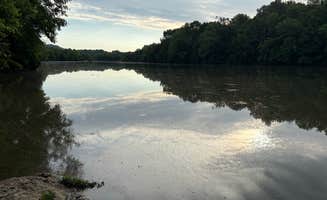
Water activities: J. Percy Priest Lake provides opportunities for swimming, fishing, and paddling alongside primitive camping at Goose Island - J. Percy Priest Lake. The quarter-mile paddle to reach this island destination creates a natural buffer from crowds, with Brandon noting, "We use a canoe since it's only a quarter mile or so paddle."
Horseback riding: The extensive trail system at Cordell Hull Horseback Trails accommodates riders seeking day trips or overnight camping experiences. These primitive sites have no developed facilities but allow direct access to miles of equestrian trails through mixed hardwood forests typical of middle Tennessee.
Wildlife observation: Dawn and dusk hours provide optimal viewing opportunities for white-tailed deer, wild turkeys, and various waterfowl. Campers should store food securely, especially at Goose Island where raccoons are frequently active after sunset.
What campers like
Isolation factor: The boat-in requirement creates natural crowd control at primitive sites across J. Percy Priest Lake. Most islands remain uncrowded even during peak summer months, offering true seclusion for those willing to transport gear by watercraft.
Waterfront views: Island camping positions tents directly on shorelines with 360-degree water views. Water levels fluctuate seasonally, affecting shoreline conditions and available camping space.
Minimal regulations: Rustic camping near Carthage, Tennessee operates with fewer restrictions than developed campgrounds. Most dispersed sites don't require reservations or permits, though campers must follow basic fire safety and waste disposal practices.
What you should know
Complete self-sufficiency required: All water, food, and supplies must be packed in and waste packed out. No potable water sources exist at dispersed sites, requiring campers to bring sufficient drinking water for their entire stay.
Weather considerations: The Cumberland River watershed experiences rapid weather changes, particularly in spring when thunderstorms develop quickly. Campers should monitor forecasts and establish campsites on higher ground away from potential flash flood zones.
Wildlife encounters: Food storage practices are essential when primitive camping in this region. Brandon warns about raccoons at Goose Island: "They will come up really close at night begging for food. They're harmless though."
Tips for camping with families
Easy introduction: For families new to primitive camping, shorter overnight trips work best. Consider testing gear and systems at home before committing to multiple nights without facilities.
Emergency planning: Cell service remains spotty throughout rural areas surrounding Carthage. Families should establish clear emergency plans and carry basic first aid supplies for minor injuries.
Activity preparation: Pack games, fishing gear, and nature identification guides to keep children engaged throughout the day. The lack of established facilities means creating your own entertainment.
Tips from RVers
Access limitations: Most dispersed camping locations near Carthage have minimal development for road access. Standard passenger vehicles can typically reach Cordell Hull Horseback Trails, but larger RVs and trailers face challenges on narrow, sometimes rutted access roads.
Generator considerations: No restrictions exist regarding generator use at most primitive sites, but campers should follow quiet hours protocol (typically 10pm-7am) as a courtesy to others seeking natural sounds and stargazing opportunities.




 Guide
Guide