Tent camping near Pike and San Isabel National Forests offers diverse options for overnight stays at elevations ranging from 5,800 to 10,000 feet. The region experiences dramatic temperature shifts, with summer days often reaching 80°F while nights drop into the 40s even in July and August. Seasonal thunderstorms frequently occur during summer afternoons, making morning arrivals practical for setting up camp before weather changes.
What to do
Hiking nearby trails: Several tent sites provide access to hiking opportunities within walking distance. At Davenport Campground, campers note that a "trail right off campgrounds is an easy, beautiful hike." The surrounding Pike National Forest area has multiple day hiking options accessible from most camping locations.
Wildlife viewing: The canyon roads and reservoir areas offer excellent opportunities to spot native animals. One camper at Rampart Range Area Dispersed Campsite mentioned seeing a "bighorn sheep loved the stream" during their stay. Early mornings and evenings provide optimal wildlife viewing times when animals are most active.
Historic exploration: The region contains remnants of mining operations and historic sites. At Phantom Canyon, one camper described how "the history is awesome, the drive is beautiful, and there is a creek that runs along close by at every site." Many campers combine tent camping with day trips to nearby historic mining towns for a fuller regional experience.
What campers like
Creek access: Water features rank highly among tent campers' favorite aspects. At Phantom Canyon, one visitor found the creek setting invaluable: "We camped here a few times. The spot closest to the mining town has been my favorite so far!" Another camper at a different site noted they "found a great, large spot. No bugs, and a bighorn sheep loved the stream."
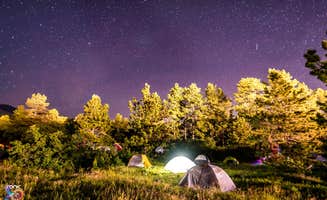
Dark night skies: The minimal light pollution creates exceptional stargazing conditions. A camper at Red Canyon Park noted the area is "known for excellent stargazing opportunities" and another stated, "we were treated with the Northern Lights November 10th through the 12th." Areas farther from Colorado Springs offer the darkest skies.
Morning tranquility: Early risers appreciate the peaceful mornings before day visitors arrive. One camper described waking to "deer walking and eating down the creek right next to us." The canyon areas particularly benefit from morning shade when temperatures remain cool before the midday heat.
What you should know
Limited facilities: Most dispersed sites lack amenities beyond basic fire rings. A camper at Phantom Canyon Road BLM Sites noted: "No service, no noise, just the sound of the creek and an occasional car driving by." Plan to bring all supplies including water, as most sites have no potable sources.
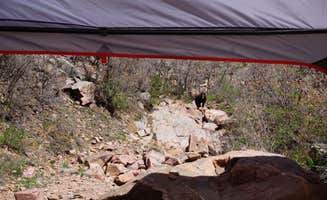
Road conditions: Access to many tent sites requires navigating unpaved roads. One visitor experienced: "It took us three attempts to get our overweight 2-wheel drive van up the hill and back onto the road. There are a lot of loose rocks." Another mentioned "the road is loose gravel, long and winds through large cliff rock faces on both sides, which block out the sun."
Weekday advantages: Arrivals Monday through Thursday significantly improve site selection. A camper advised: "Always visit during the week, weekends spots are gone." Another noted, "We camped along this canyon road a few times and will never forget it. It is magical, always visit during the week."
Tips for camping with families
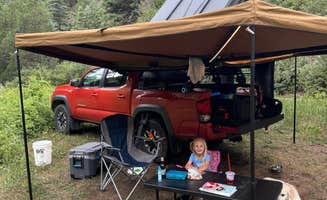
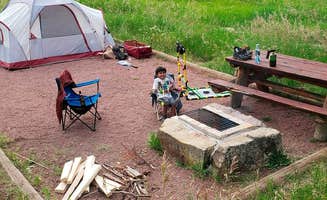
Site selection strategy: Families benefit from choosing areas with natural boundaries. At Turkey Roost Group Camp, a camper noted the "wonderful tent pads and facilities with space to wash dishes and store goods from wildlife." Sites further from main roads provide better containment for younger children.
Bug preparation: Insect activity varies by season and location. One family camper warned: "Bring those fly bags that attract them away from you unless you're prepared to get eaten up by the flies." Another noted specifically "the flies and mosquitos were bad but our bug screens did their job until dark then we had to close up the van."
Weather planning: Mountain weather requires extra preparation for families. Pack warm clothes even in summer, as temperatures drop significantly after sunset. A camper described: "Gets warm during the day but it does get pretty cold at night." Another noted waking up with "few inches of snow" despite warmer conditions at lower elevations.
Tips from RVers
Site accessibility: RV camping options are more limited than tent sites. At Lone Duck Campground and Cabins, a camper observed it "could be a bit tough for fifth wheelers or people that need to pull through they only have a few of those." Another noted that sites "are super close together" which affects privacy and maneuverability.
Creek proximity considerations: Sites near water features present both advantages and challenges for RVers. One camper at Lone Duck recommended: "We have stayed here twice once in campsite 46 very nice 47 even nicer two best lots here for us cuz we like being the by the water." However, areas near water often have uneven ground requiring additional leveling equipment.
Connectivity concerns: Signal availability varies dramatically by location. While most canyon areas have no service, some higher elevations maintain connections. One RVer shared: "Starlink worked great as there is no Verizon cellular for miles." Another camper found "very good network coverage (T-mobile)" at higher elevation sites.










 Guide
Guide


