The Appalachian Mountain region surrounding Clayton, Georgia sits at elevations ranging from 1,800 to 3,640 feet, creating moderate summer temperatures that typically remain below 85°F. The area contains over 15 established campgrounds within a 30-minute drive, most positioned near trout streams or small mountain lakes. Winter camping remains available at select sites, though water systems shut down from December through March at higher elevation campgrounds.
What to do
Hiking to waterfalls: Near Moccasin Creek State Park Campground, the Hemlock Falls trail offers a relatively easy 2-mile round trip experience. "Hiking to Hemlock Falls is a must. Even in the hottest days of summertime, the trail is cool. The majority of the trail is right by the bubbling stream," notes Jan P. The falls are accessible year-round, with summer temperatures typically 10-15 degrees cooler than in Clayton.
Trout fishing: The Tallulah River at Tallulah River Campground provides excellent fishing opportunities, particularly in spring and early summer. "The other great thing about this spot is the trout fishing. It is regularly stocked with rainbows and makes for some beautiful landscape while fishing," explains Sean M. Fishing licenses cost $15 for residents and $45 for non-residents, available online or at local tackle shops.
Mountain biking: Several trails within the Chattahoochee National Forest accommodate mountain bikes. A visitor at Unicoi State Park notes, "A lot of activities to do! Mountain biking, hiking, zip lining, etc. Will definitely be returning in the future!" Most trails require intermediate skills due to rocky terrain and elevation changes.
What campers like
Swimming areas: Many campgrounds feature natural swimming opportunities. At River Falls at the Gorge, the Tallulah River creates natural swimming spots. "The river is perfect for tubing. It is just a 30 min drive to Helen Ga which is a very popular area for tourism. There is nearby Lake Rabun which also has a recreation area for swimming," reports Matt and Tabatha C. Swimming areas are typically open May through September, with water temperatures reaching the mid-70s by July.
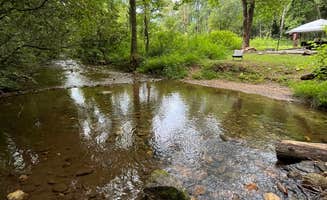
Creek-side sites: Campers consistently praise sites positioned near moving water. At Standing Indian Campground, "We could hear the stream from our site at night. Exactly what we were looking for... Trails all around the site and longer ones further down the road," writes Chrissy R. Most creek-side sites fill quickly, especially on summer weekends.
Fall foliage: October camping provides spectacular autumn color displays. "The fall leaves where a little late to show there true colors but still beautiful," notes Thomas R. about their stay at Sarah's Creek Campground. Peak foliage typically occurs during the third and fourth weeks of October, with higher elevations changing first.
What you should know
Road conditions: Several campgrounds require driving on rough forest service roads. At Sarah's Creek Campground, "Access to the campground is a narrow partially-paved but well-maintained single lane road with only one area to pull over, so be careful when entering and exiting because if you meet another vehicle one of you will be backing back the way you came!" cautions RC S. Many forest service roads remain unpaved and can become difficult to navigate after heavy rain.
Cell service limitations: Most national forest campgrounds have no cellular coverage. At Tallulah River Campground, Jeremy G. notes it's "a good spot to get away from the world," with no cell service available. State parks typically offer limited coverage, with signal strength varying by carrier.
Reservation systems: Campground booking procedures vary significantly. While state parks require advance reservations, many national forest campgrounds operate first-come, first-served. "It's first come first serve, but we were able to drive in Thursday night at 6pm and get site 6, right on the river (the whole camp was about 40% full)," shares Jeremy G. about Tallulah River Campground.
Tips for camping with families
Kid-friendly fishing: Moccasin Creek State Park maintains a stream section exclusively for young anglers. "This campground is very kid friendly. They have a stream they stock with trout for kids 12 and under and seniors 65 and older. This park is a great place to allow kids to get into fishing and feel like they have accomplished something," explains Joshua G. No fishing license required for children under 16.
Playground access: Unicoi State Park & Lodge offers extensive play facilities. "The campground has a little trading post at the entrance. Unfortunately it was closed on the weekend. You could still pick up firewood. It was walking distance to several hiking trails," reports Katrin M. The playground areas remain open year-round and are typically positioned near bath houses.
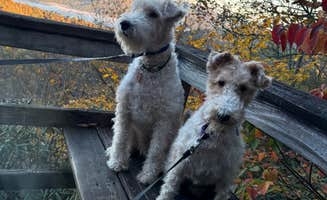
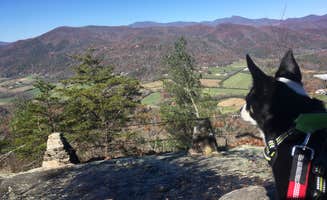
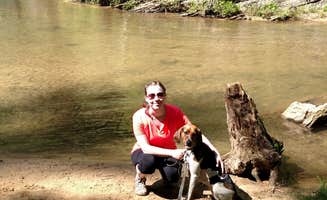
Pet friendly options: Most campgrounds welcome dogs, making them ideal for pet friendly camping near Clayton, Georgia. "Dog friendly and beautiful views from most of the sites. Plenty of hikes nearby too. Hot showers and clean bathrooms!" shares Aly E. about Black Rock Mountain State Park. Leash requirements (typically 6-foot maximum) apply at all campgrounds.
Tips from RVers
Site leveling: Many campgrounds feature uneven terrain requiring leveling blocks. At Willow Valley RV Resort, "Very beautiful primitive sites. Bear boxes at each campsite. This site was a bit far from parking, so I'd recommend packing your things in a backpack," advises Hanna P. Even designated RV sites often require additional leveling due to mountainous terrain.
Water/sewer connections: Connection placement varies between campgrounds. At River Falls at the Gorge, Todd L. reports, "Only complaint was the sewer hook up went uphill to drain. It drained still but very slowly. Luckily there was some logs by it to help elevate the hose." Most RV sites provide 30-amp service, with limited 50-amp availability at newer facilities.
Winter camping considerations: Several campgrounds remain open year-round but with limited services. "I stayed here for 2 nights of winter camping in December 2020. All sites have electric and water but we were tent camping and didn't use either," explains Elizabeth G. about Moccasin Creek State Park. Water systems typically shut down when overnight temperatures consistently drop below freezing.













 Scout
Scout


