

K
Kate H. Scout
Scout
ScoutLost Lake Slough
Great!
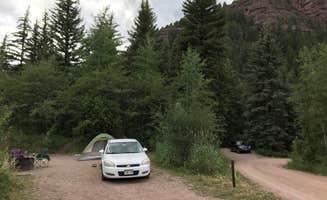
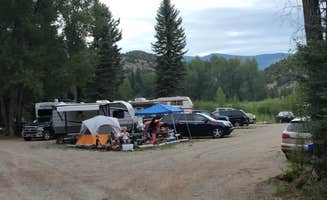
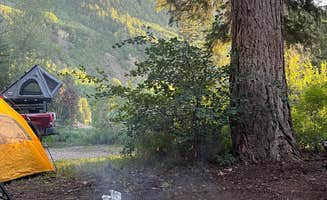
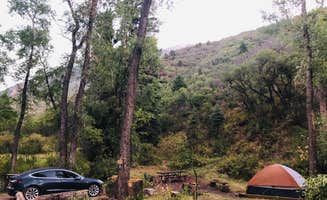
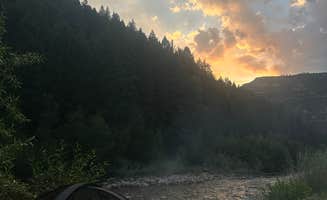
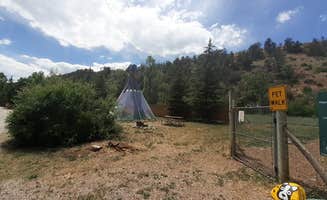
When we went there were many spots just off the road. The road noise quiets down after 6ish.
Camping near Gunnison National Forest spans valley-floor dispersed pull-offs to high-clearance-only ridge roads, with most check-ins on The Dyrt running from late June through September. This tracks with the access reality: high-elevation roads stay snow-covered into June and close again before mid-October depending on the year. The forest covers the Crested Butte, Almont, and Gunnison River valley corridor west into the West Elk Wilderness, with dispersed campsites ranging from accessible valley flats to remote backcountry terrain.
Self-sufficiency is the baseline at all dispersed sites. No water, no restrooms, no trash removal. The 14-day stay limit applies. Free camping outside Crested Butte covers the dispersed options closest to that end of the forest, where The Dyrt campers note road conditions improve significantly after snow melt clears by late June.
Fire restrictions are enforced during dry stretches and apply across all forest land regardless of elevation. Elevation above 10,000 feet means afternoon thunderstorms are common through July and August. A high-clearance vehicle opens significantly more of the forest than a standard passenger car.
$32 - $166 / night
"Every year, my family (+- 10 people) heads somewhere in Colorado to camp over Labor Day. This year we headed up to Marble, CO and stayed at the Bogan Flats campground."
"Lovely quite campground in the woods next to a river. We stayed on the side away from the river and I wish we had stayed on the river side, but it was still fantastic."
$38 - $91 / night
"Location is great! A mile walk into the quaint town of Redstone, 20min drive to Carbondale or Marble (opposite direction)."
"Not very many trails near by, and starts to get cold early because of the valley. I had no issues with being close to the highway."
"River access, no bugs, water, bathroom facilities, isolated spots surrounded by trees and close proximity to hayes waterfall and penny hot springs."
"It's beautiful to look at the red stoned mountains and the night sky filled with stars while being fairly close to other things."
$14 / night
"I used it as my base to drive the Crystal River trail which is about 10 miles down the road at Marble."
"Spent one night here, besides being right off the highway this place is amazing! Close to Marble which worked well for me."
"For those without AWD/4WD vehicles I would use caution/advise against since the drive to get into the actual grounds requires a bit of off roading including crossing a creek."
"Awesome valley with access to the creek. There is also a nice trail up the mountain that forks into two other trails."
"To start, we camped with a teardrop trailer, but once you pass the White River National Forest sign and parking lot for the babbish trail head, it’s not easy to turn around unless you find a campsite."
"My first winter camping trip in Colorado."
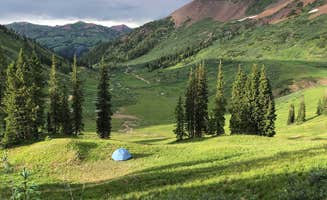
"Lost Lake Campground near Crested Butte, Colorado, is a hidden gem that combines serene alpine beauty with a peaceful camping experience."
"There are some reserve able sites near the lake, and some first come/first serve sites as well. Also dispersed camping on the way up to the campground."
"This campground is located right in town and walking distance to everything. However, it’s surprisingly quiet. I expected it to be much louder but was pleasantly surprised."
"You are within walking distance of the old mill site, town museum, BBQ restaurant, coffee shop. This is what small towns in America were like in the good ol' days."
$18 - $36 / night
"As we were leaving the campground, we realized several of the cows had walked through our campsite to drink from the reservoir."
"We pulled in for the night after a long day of driving. The place was completely empty. Everything seems newly constructed. The pit toilet was spotless and empty. "
$20 - $60 / night
"One of my favorite spots to camp in Colorado so far."
"other than the Neighbors being so close by it was amazing. we had really close water access.we stayed at #11 so cool I think it had the best amount of tree shade available and cuz we were so close to the"








 Scout
ScoutWhen we went there were many spots just off the road. The road noise quiets down after 6ish.

 Traveler
It was a great small campground. Close to town, a boat ramp and walking/biking path that connects to town. The only downside was that it was very close to the highway so there was a lot of road noise.
TravelerLots of trash and very busy but has good views and is a long road with plenty of sites. Had good service as well

 Legend
Black Canyon of the Gunnison Arrived about 1720, long interesting farm drive from Garfield area. Site 31 in Loop A, pull through, mostly level, bear locker, nice table and fire pit.
1/2” size gravel for site. Pit toilets are close and clean, not as clean as some of the national forests sites we stayed at.
T-Mobile no connection SOS.
The fire pit was about 1/2 full of debris. Ok to have a fire but we opted not to since the wind was blowing.
I think they should limit the trails between sites to keep it more private. Just walk on the road.
Bugs, bees and sweat bees. Water was available but limited.
Definitely need a day or more on the south and north rim to fully appreciate the beauty of the area.
The rangers who led the astronomers night were phenomenal. An excellent presentation of the stars, Milky Way and constellations.
ScoutThe air is dry, the sun is intense and the sky is clear, especially at night. Star gazing is a hobby around here. We were on the upper level, close to the outdoor pool, which made it very convenient for us. The roads in the park are blacktopped. The landing area's for RV's, are a black rock. No dust problems! Most sites have a small concrete slab and picnic table. We stayed for 20 nights. Will be coming back. The Gunnison Reservoir was dried up this season. Hoping for rain and snow fall this Fall and Winter. All in all, it's a great stay!
ScoutVery nice, convenient campground, perfect for a quick stop on a longer drive though I’m not sure it’d warrant more than one night. Current cost is $16; there’s no cell coverage but if you want to pay by credit card the pay envelopes have a place to write your credit card info.
 Traveler
Our experience was excellent here, flat sites, restroom was very clean and shower has some awesome artwork on tile. If I’m ever in the area I will definitely stop again. I encourage others to stop here as well Jimmy the cohost did a fantastic job thanks
TravelerLots of spots but most them are all pretty close to one another.
 Guide
GuideWe actually turned our class b with motorcycle trailer around in the 3rd turnout after the gate and signs, as it was large and level and there wasn't a soul around. I think 3 pick up trucks came past the entire afternoon/evening, and one really early the next morning. Good packed gravel that was very slightly washboard. No Tmobile service at all, but we had Verizon.
Gunnison National Forest campgrounds sit at elevations between 7,300-10,000 feet across Colorado's mountainous terrain. Summer temperatures typically range from 40°F at night to 75°F during daytime, with significant temperature drops possible even in July and August. Most campgrounds require visitors to travel unpaved roads, with some sites accessible only via high-clearance vehicles or off-road capable trucks.
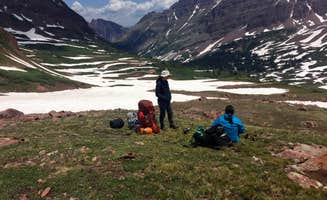
Hiking from camp: From Lost Lake Campground, follow marked trails directly from the campsite to surrounding wilderness. "There are several trails from the trailhead at the end of the campground, including Capitol peak (campground is at 7,300 feet so you do the math....)" writes Scott D. The Three Lakes Loop ranks as another popular hiking option for day trips.
Fishing opportunities: Crystal River at Bogan Flats Campground offers trout fishing steps from established sites. "The Crystal River flows through the campground and you can fish right from many of the sites," notes Mitch K. Bring appropriate fishing gear and check Colorado fishing regulations before your trip.
ATV access: Four Mile Road Dispersed area serves as a hub for off-road recreation. "This is all primitive camping and heavily used by 4x4 ATVs," explains Matthew V. Marble sits approximately 30 minutes from many camping areas and serves as a popular destination for off-road vehicles heading to Crystal Mill.
Riverside sites: Campers consistently rate waterfront locations highest. "The sites next to the river are the best. The sites closer to the entrance and on the river offer the best shade," notes Martine C. about Bogan Flats Campground. Reservations for riverside spots fill 3-6 months in advance during peak season.
Relative seclusion: Oh Be Joyful Campground offers privacy despite proximity to Crested Butte. "We enjoyed this campground a lot. Our spot (32) was quiet and surrounded by trees, you could barely see the other spots," writes Sarah H. Sites maintain good separation with natural barriers between camping areas.
Bear-safe amenities: Multiple campgrounds provide bear boxes at each site. "The sites were well-kept and far apart from each other. They also each have a bear proof Locker for your items," notes Toni S. about Avalanche Campground. Proper food storage remains essential as wildlife frequently visits campsites.
Road conditions vary dramatically: Many campsites require travel on rough roads. "The road in is longer than you expect, but definitely worth it and it fills up quick," says amber R. about Lost Lake Campground. Some campgrounds require crossing water features: "For those without AWD/4WD vehicles I would use caution/advise against since the drive to get into the actual grounds requires a bit of off roading including crossing a creek," warns Hayley O.
Temperature fluctuations: Even summer nights drop below freezing at higher elevations. "In mid September the nights and mornings can be cold, when I woke up at 6am the temperature was 34 degrees F," reports Erik S. Pack cold-weather sleeping gear regardless of season.
Limited services: Redstone Campground offers more amenities than most in the region, but services remain basic. "The bathhouse was simple but clean. The camp hosts were friendly," notes Bendee Z. Most campgrounds lack showers, with vault toilets being standard. Cell service disappears completely outside towns.
Water play access: The Crystal River runs alongside several campgrounds, providing natural water features. "River access, no bugs, water, bathroom facilities, isolated spots surrounded by trees and close proximity to hayes waterfall and penny hot springs," reports Carrie C. about Redstone Campground. Supervise children closely near fast-moving water.
Tent pad surfaces: Many designated tent areas use gravel surfaces. "If you sleep in a tent the pads are filled with chunky gravel-so bring extra padding!" recommends Dani S. about Avalanche Campground. Extra sleeping pads improve comfort on these surfaces.
Kid-friendly sites: McClure Campground offers wildlife viewing opportunities. "I had hummingbirds buzzing up to a foot away from my face to check out my red cap thinking it might be some kind of giant exotic new flower," recalls Tim K. Wildlife including deer, squirrels and chipmunks frequently visit campsites.
Site sizing constraints: Large RVs face limitations at most Gunnison National Forest campgrounds. "The road to the campground is a bit rough with tight turns for the last 2 miles, so your 40' trailer might be challenging," warns Jerry R. regarding Lost Lake Campground. Most campgrounds accommodate smaller RVs and trailers under 25 feet.
Hookup availability: Electric hookups exist at select locations. "Two main loops, one with hook ups and one without," explains Rebeca H. about Redstone Campground. Water and electric connections typically cost $10-15 more per night than non-hookup sites.
Leveling challenges: Terrain throughout the region creates uneven parking. "McClures sites were all nice and level and several were pull through that could handle fair sized rigs," notes Tim K. Bring leveling blocks and stabilizers for most campgrounds in the area.
Frequently Asked Questions
Where are the best campgrounds in Gunnison National Forest?
Gunnison National Forest offers several exceptional campgrounds catering to different preferences. Lost Lake Campground near Crested Butte stands out for its stunning alpine scenery, wildflower meadows, and pristine lake views. For riverside camping, Rosy Lane along the Taylor River provides secluded sites with minimal highway noise despite its proximity to the road. Campers seeking clean facilities should consider Lodgepole Campground in Taylor River Canyon, known for its spotless bathrooms (especially sites 7-11) and beautiful surroundings of pine and aspen trees. All these locations offer the quintessential Colorado mountain experience with varying levels of amenities and accessibility.
Do I need camping permits for Gunnison National Forest?
Most developed campgrounds in Gunnison National Forest operate on a fee system rather than requiring special permits. At Oh Be Joyful Campground, fees are collected through an honor system with no on-site host. For dispersed camping in the forest, permits are typically not required, but a 14-day stay limit is common. Some popular campgrounds like Erickson Springs Campground fill quickly during peak seasons, so arriving early is recommended. While reservations aren't required for most sites, having cash on hand for self-pay stations is advisable. Always check the specific campground's regulations before your trip as requirements may change seasonally.
What amenities are available at Gunnison National Forest campgrounds?
Amenities at Gunnison National Forest campgrounds vary widely by location. Most developed sites offer vault toilets, picnic tables, and fire rings. Mountain Time RV Park & Cabins provides full RV hookups and cabin options for those seeking more comfort. For a more rustic experience, campgrounds like Jumbo Campground offer basic amenities with beautiful surroundings. Potable water is available at many sites but not all, with spigots sometimes being easy to miss. Cell service is generally limited throughout the forest. Larger campgrounds may have designated tent pads, parking areas for RVs, and access to recreational opportunities like fishing, hiking trails, and boat ramps. Most campgrounds do not offer electricity, showers, or dump stations, so come prepared for a more primitive camping experience.
When is the best season for camping in Gunnison National Forest?
The prime camping season in Gunnison National Forest typically runs from late May through early October, though this varies by elevation and specific location. Higher elevation sites like Bogan Flats Campground may have shorter seasons, while lower elevation campgrounds remain accessible longer. Early October offers spectacular fall colors and fewer crowds, making it an ideal time for a visit. Summer (June-August) brings warm days and cool nights perfect for outdoor activities, though mosquitoes can be prevalent, particularly at riverside locations. Many campgrounds, including Mollie B Campground, are closed during winter months due to snow. Weekends fill quickly during peak summer season, so consider weekday camping or securing spots early on Friday mornings.
Keep Exploring