Camping sites near Aguanga, California offer diverse terrain across several elevation zones, with camping areas spanning from 2,000 to over 5,000 feet. This creates distinct microclimates throughout the year, with higher elevation camps like Observatory Campground providing relief from summer heat. Weekday visits typically offer significantly quieter experiences with improved site selection across most Aguanga area campgrounds.
What to do
Stargazing at night: Observatory Campground provides prime conditions for night sky viewing near the famous Palomar Observatory. "The observatory is about 2 miles away but it was closed, so we just explored around the campsite. One evening we took about a 15 minute walk to Observatory Campground down the road to enjoy the stars more since there is more of an open area there to do so," explains one camper.
Hiking on designated trails: Many campgrounds offer trail access directly from camping areas, especially for early morning hikes. At Dripping Springs Campground, "There is a popular trailhead inside the campground" with "a big loop (10 miles) that connects to another loop and another. Almost 20 miles of hiking if you want it."
Wildlife observation: Morning and evening hours provide the best wildlife viewing opportunities across most campgrounds. "We had a magical weekend... There were a fair amount of bugs. We had bats and during the day we saw beautiful Pine and Cedar trees everywhere," reports a camper at Fry Creek Campground.
What campers like
Natural water features: Despite seasonal fluctuations, several campgrounds offer water access. At La Jolla Indian Campground, "The river (creek) does have beautiful shade trees and lots of rock formations and places to put a chair and read, which was lovely. The kids liked it."
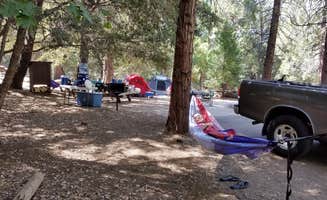
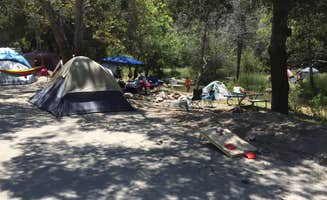
Spacious sites with shade: Many campers prioritize shaded sites during summer months. At Oak Grove Campground, "We were in the oak loop site at site 15 which was a huge space that could've easily fit 3 medium sized tents! Super close to the water source and bathrooms."
Wildlife encounters: The diverse ecosystems support varied wildlife viewing opportunities. At Palomar Mountain State Park Campground, one visitor noted: "The birds are loud, but if you don't care about that they're very fun to watch! The largest critter we saw was a wild turkey."
What you should know
Insect preparation: Bug activity varies significantly by season and location. At Fry Creek Campground, "While it was pretty hot, it was only about 1/3 of the way full and still very quiet. The only issue we had was the BUGS. Definitely prepare for mosquitos and other bloodsuckers while you are here."
Site selection strategies: Research individual sites before booking as quality varies widely. One camper at Dripping Springs Campground explains: "The front (closest to entry road) kinda sucks. Lots of noise. Sites are small, open and up against an industrial fence. Everything to the back (after site 7 on the right and 18 on the left) is great. Sites with trees, road noise is blocked, closer to the trailhead and just generally nicer."
Water availability concerns: Even campgrounds with "creek" in their name may have seasonal water flow. A Hurkey Creek Park visitor noted: "The creek is dry, but Lake Hemet is a quick walk down the way. The campground is large, with 130 campsites and several group camp areas."











 Scout
Scout


