Dispersed camping opportunities in Bighorn National Forest span elevations from 5,000 to over 9,000 feet, creating dramatic temperature variations throughout the camping season. The forest receives approximately 20-30 inches of precipitation annually, mostly as winter snow that can linger into early summer at higher elevations. Forest roads in the northeastern section typically open by late May, while southwestern access points may remain snowbound until mid-June.
What to do
Explore mountain lakes for fishing and paddling: Lakeview Campground offers direct access to Meadowlark Lake where trout fishing draws anglers throughout summer. "Huge sites with some incredible fishing to be had. Cleaning stations at each site and fairly quiet scene," notes Alma L. The lake is shallow and suitable for kayaking.
Visit historical sites: The Native American heritage surrounding the mountains adds cultural interest to camping trips. At Shell Creek Campground, you can access nearby historical landmarks. "Around this mountain range is the Crow Medicine Wheel and one of the oldest trails in N America! Native tribes from the area still come to these sacred sites to pay homage to their ancestors and cultural identity," explains Alan B.
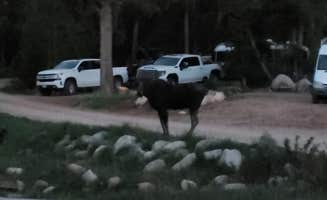
Observe wildlife in meadows: Early mornings and evenings provide optimal wildlife viewing opportunities, particularly for moose, deer and elk. "We saw a moose by the lake one morning," reports Tara A. about her stay at Bighorn National Forest campgrounds. Many campers recommend bringing binoculars and maintaining distance from all wildlife.
What campers like
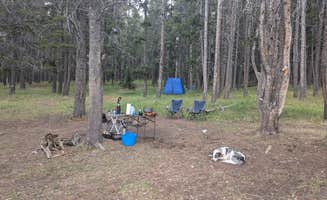
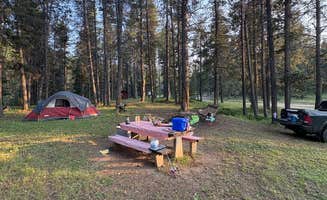
Solitude and privacy in dispersed sites: Bighorn National Forest offers numerous free camping options along Forest Service roads. "Driving through Bighorn National Forest we found TONS of free dispersed camping off route 20. Sites are primitive... Far apart and lots of privacy. If you are seeking privacy, this is your place," shares Meghan G.
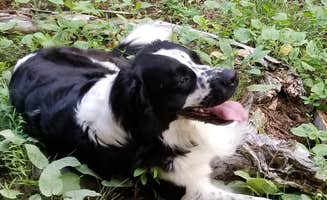
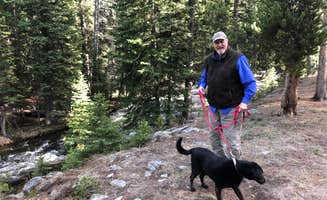
Pet-friendly facilities with natural water access: Most Bighorn National Forest campgrounds welcome dogs, providing creek access where pets can cool off. "We stayed right near the stream, which was beautiful," writes Andrea about Shell Creek Campground, one of many dog-friendly campgrounds Bighorn National Forest offers for travelers with pets.
Star-viewing opportunities: The remote location and minimal light pollution create excellent night sky viewing conditions. "The stars on our walk around the grounds were insane," according to Margarita Z. about her stay at Sitting Bull Campground. Clear nights offer exceptional visibility of the Milky Way.
What you should know
High elevation affects temperature and camping conditions: Even summer nights drop to near freezing at many sites. "It's mid August and it's starting to cool down. About 75 during the day and low 50s at night," reports Jennifer K. about Tie Flume Campground. Pack warm sleeping gear regardless of season.
Limited services require self-sufficiency: Most campgrounds have minimal amenities. "No facilities, stores or cell service. You must be prepared and self sufficient," warns Meghan G. Water availability varies by campground, with hand pumps being common at established sites.
Dirt road access requires planning: Many campgrounds require navigating unpaved roads. "The long 7 mile gravel road on cruiser motorcycles is a pain," notes Tony M. about accessing West Tensleep Lake. Check road conditions before travel, especially after rain when many access roads become rutted.
Tips for camping with families
Choose sites with wildlife viewing potential: Dead Swede Campground offers excellent opportunities for families to observe wildlife safely. "Trout fishing on site with moose coming to the river daily to water. Resident doe gave the RV a bump in the night then learned we were there. She walked through twice a day," reports Mary.
Prepare for insects: Bug protection is essential, particularly in wooded areas near water. "Definitely lots of mosquitos so bring your spray or thermacells," advises Jennifer K. Lightweight long-sleeved clothing provides additional protection during peak insect activity.
Pack for temperature fluctuations: Children particularly need appropriate clothing layers. "The high elevation makes the evenings cool," notes Tony M. Nighttime temperatures can drop below 50°F even in July and August, requiring warm sleeping bags and extra blankets.
Tips from RVers
Know your vehicle limits for forest roads: Many campsites require navigating rough terrain. "High clearance 4x4 needed," warns Tyler R. regarding access to Shell Reservoir Camping Area. Research specific campground access before arrival, especially for larger rigs.
Prepare for dry camping: Hookups are nonexistent at most forest campgrounds. "Dry Camp-No Electric... Dump Station about 13 miles away," reports Peggy S. about West Tensleep Lake. RVers should arrive with full water tanks and empty waste tanks.
Check site dimensions before booking: Many forest campgrounds have size limitations. "We're in 15 with plenty of space to not have to unhook our 26 foot trailer," notes Jennifer K., but adds: "The water spigots don't have threads either and not meant to fill RV tanks." Larger rigs should target specific campgrounds like Tie Flume or Island Park.









 Scout
Scout


