Bighorn National Forest stretches across 1.1 million acres in north-central Wyoming with elevations ranging from 5,000 to over 13,000 feet. The forest experiences dramatic seasonal changes, with summer temperatures averaging 70-85°F during the day and dropping to 40-50°F at night. Dispersed camping sites along Route 20 provide primitive options without running water, electricity, or restrooms.
What to do
Wildlife viewing: near Route 20. Dispersed camping spots in Bighorn National Forest offer excellent wildlife watching opportunities. "We camped along a stream in a 32 foot RV. We were visited by a mother and baby moose," reports one camper at Bighorn National Forest.
Hiking: to Five Springs Falls. The waterfall is accessible via a short half-mile trail from the campground. "The falls is maybe less than a mile up the trail. The trail was moderately easy with few obstacles but some small grade climbs. My 9 year old made it fine," notes a visitor at Five Springs Falls Campground.
Fishing: at Shell Reservoir. The area offers opportunities to catch brook trout in both the lake and creek. "Beautiful campsites, brook trout fishing in the lake and the creek below, as well as a 4x4 trail that makes a large loop between shell reservoir and lake Adelaide," shares a camper at Shell Reservoir Camping Area.
What campers like
Privacy: between dispersed sites. The spacing between camping areas provides a sense of solitude. "Driving through Bighorn National Forest we found TONS of free dispersed camping off route 20... Far apart and lots of privacy," notes a reviewer at Bighorn National Forest.
Stream-side camping: for natural ambiance. Many campsites are positioned next to flowing water. "We stayed at a site right across from the lake on a hill in the pines," reports a camper at Shell Reservoir Camping Area. Another visitor to Five Springs Falls adds, "All sites are next to a small beautiful stream."
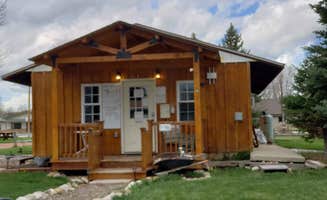
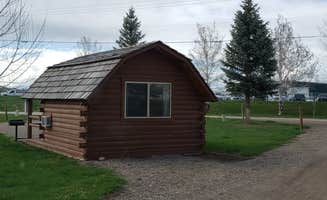
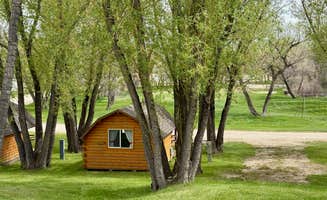
Year-round yurt options: in nearby towns. Yurt camping near Bighorn National Forest provides comfortable shelter in all seasons. "We didn't normally camp at fancy places like a koa but we were needing a spot on our way to Yellowstone. The hosts were super nice, everything was clean and there was a nice hot shower," mentions a guest at Greybull KOA.
What you should know
Road conditions: require planning. Some campgrounds have limited access for larger vehicles. "It is 2.2 miles off the main highway up a steep winding grade. There are two loops with several sites in each and then there are more sites along the road above the two loops," explains a camper at Five Springs Falls Campground.
Weather preparation: essential for comfort. Temperature fluctuations can be extreme, especially at higher elevations. "Stayed in the Sheep Mountain Fire Tower. With gale force winds blowing the shutters off...we bailed early. However, the Bighorns are AMAZING! Take tent heater for the tower unless going in middle of summer," advises a visitor to Bighorn National Forest.
Bear awareness: practice food safety. Wildlife precautions are necessary throughout the forest. "There are bears out in this forest, recommend putting all food in your hard sided truck, Car, or camper! A human fed bear is a dead bear!" warns a camper at Bighorn National Forest.
Tips for camping with families
Playground access: at designated campgrounds. Some facilities offer recreational options for children. "My 4 yo son loved the pool and the playground. My 12 daughter loved the WiFi and extra clean showers and bathrooms," shares a family staying at Greybull KOA.
Moose sightings: at Island Park. Wildlife viewing opportunities excite children of all ages. "This was my first time ever camping in the mountains and I got spoiled! Island Park is small and quiet with only 10 sites. It is near a river with crystal clear water and the most beautiful backdrop. Our friends had stayed here a year or two before we did and mentioned there were moose in the campground. Sure enough, we had not even got our tent sat up and there they were!" recounts a visitor at Island Park Campground.
Bakery access: for easy meals. Some campgrounds offer convenient food options. "We didn't try to make coffee and oatmeal for breakfast and instead visited the onsite bakery. Hard to beat rolling out of your tent, walking 100 feet and getting reasonably priced gourmet coffee and fresh baked pastries for breakfast," notes a camper at Lazy R Campground.
Tips from RVers
Size restrictions: on forest roads. Many campgrounds have limited access for larger vehicles. "The big drawback for some will be the very narrow, extremely switchbacked and steep road up to the campground (no guardrails). It really is fine for a car or truck and a short little (think Casita or Scamp), but a sign says no vehicles over 24' and I wouldn't want to do it with anything close to that!" cautions a camper at Five Springs Falls Campground.
Overnight options: for travel breaks. Some RV parks provide convenient places to stop during longer journeys. "We picked the Lazy R for a quick overnight stay on trip to Missoula, MT. We weren't expecting much, given that we were tent campers staying in an RV park. However, we were pleasantly surprised we arrived to find a nice grassy campsite for a our tent and clean restrooms and showers," shares a visitor to Lazy R Campground.
Self-sufficiency: for dispersed camping. Prepare accordingly when choosing remote sites. "Sites are primitive… No running water, no electric, no restrooms. Sites consist of previously used dispersed site containing clearing and fire pits. There are camping spots for tents and RVs from large to small," notes a camper at Bighorn National Forest.





 Guide
Guide


