Tent camping areas around Jennings Randolph Lake span across the border of West Virginia and Maryland at elevations between 1,200 and 2,500 feet. The region's topography creates distinct microclimates with cooler temperatures than surrounding lowlands. Winter camping requires preparation for overnight temperatures that frequently drop below freezing from November through March.
What to do
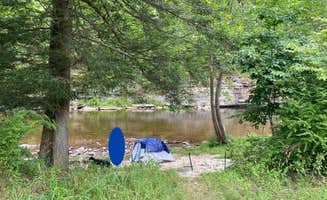
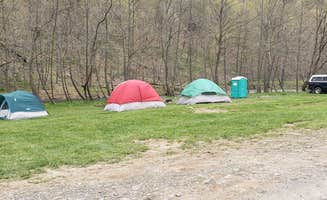
Paddling access points: Several campgrounds provide direct water access for kayaks and canoes. At Big Run State Park Campground, "the camp sites next to the reservoir have no privacy but offer extremely easy access for canoes/kayaks," notes one camper, making early morning launches convenient.
Fishing opportunities: The North Branch Potomac River offers excellent trout fishing access from multiple campsites. A visitor at Abrams Creek Campground and Retreat Center mentioned their "daily walks to the end of the campground" where they "enjoyed the scenic views" and observed the creek was "lively with trout and crayfish."
Hiking trails: The region contains numerous hiking routes with varying difficulty levels. At Barnum Whitewater Area, trails parallel the river with moderate elevation changes. Near Paw Paw Tunnel Campground, campers can access the historic tunnel trail, though a visitor noted "when we went, the tunnel is closed for either construction or for safely risks."
What campers like
Streamside sites: Many campers prefer sites positioned directly along waterways. One camper at Lost Land Run describes the experience as "a great place if you're looking for a totally off the grid weekend" with "beautiful views if you're ready for an adventure."
Peace and quiet: Several tent camping areas provide genuine seclusion. At Squirrel Hollow Road, visitors found "large campsites and relatively quite" with minimal traffic - "one pickup overnight and a small convoy of motorcycles the next morning."
Wildlife viewing: The region supports diverse wildlife populations. Lost Land Run campers should be prepared for "lots of the more dangerous varieties of wildlife native to the area big cats, snakes galore, bear, coyotes etc." A reminder that proper food storage is essential at all locations.
What you should know
Cell service limitations: Many camping areas have limited or no cellular reception. At Lost Land Run, there is "absolutely NO CELLPHONE SERVICE past the first couple campsites and only very spotty at those campsites as well," according to a local camper.
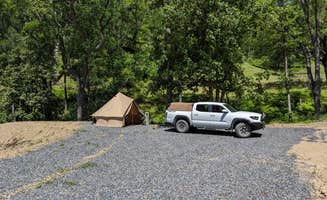
Water availability concerns: Most primitive sites require bringing your own water. At Maple Festival Park, potable water is available, but at sites like Squirrel Hollow Road, it's "true boondocking, haul it in, pack it out."
Bathroom facilities vary: Toilet options range from well-maintained pit toilets to none at all. A camper at Big Run noted "Pit toilets were pretty clean" while others mentioned portapotties at some locations were "in bad shape" during winter months.
Seasonal considerations: Spring camping often means muddy conditions, while summer brings higher visitor numbers. Fall offers spectacular foliage but requires warmer sleeping bags as temperatures drop quickly after sunset.
Tips for camping with families
Safety precautions: Families should be particularly cautious around water features. The region's streams can rise quickly after rainfall. At Barnum Whitewater Area, cabin options provide "electricity in the cabins" which may be preferable for families with young children.
Kid-friendly sites: Some campgrounds offer better options for children. At Big Run State Park, one family noted their site was "flat, large, clean and right by the creek. The kids loved playing in the water."
Activity planning: Prepare alternative activities for rainy days, which are common in spring and summer. Local caves and historical sites provide indoor options when camping weather turns unfavorable.
Tips from RVers
Access limitations: Most of the best tent camping near Jennings Randolph Lake is not suitable for larger RVs. At Paw Paw Tunnel Campground, a camper noted it's "TENT ONLY" with sites that have "no privacy" and are "closely spaced."
Small trailer considerations: Some sites can accommodate small trailers. At Big Run, a camper used "lot 73 for a 26ft hybrid camper. Fit perfectly! It was flat, large, clean and right by the creek," but such accommodations are limited in the region.












 Legend


