










 Legend
Dolly Sods Backcountry
Shoulder season solitude...flora and fauna delight
Dolly Sods Wilderness Area, part of the Monongahela National Forest, offers something for every hiker, backpacker, camper.
Having visited Dolly Sods numerous times at the Red Creek Campground, using that as the base camp to launch off to explore the myriad of trails. We decided to use the backcountry as a primer for the following year's longer westerly backbacking trip.
Know that it will likely rain on you in Dolly Sods, so always bring rain gear. Also realize, that with climate and conditions similar to the Canadian Tundra, temperatures and winds vary and fluctuate often, any time of year. Those two conditions often dissuade less hearty souls...but they are also exactly what creates and sustains a very beautiful environment.
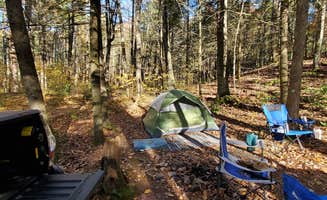
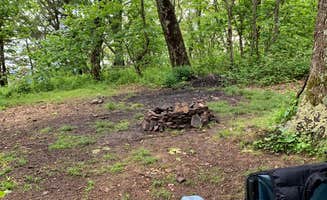
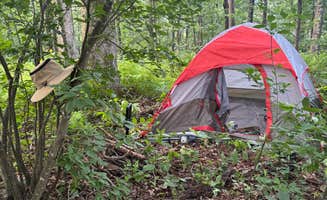
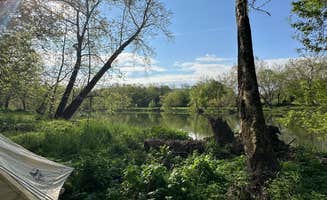
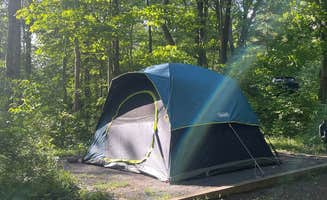
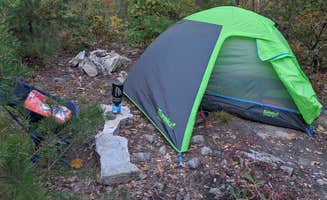
During our excursion, we spent three nights and four days on what I will term the perimeter trails...camping at Raven Ridge, Big Stonecoal Run creek, and at Reds Creek at the forks. Numerous websites offer insight and directions and all are beneficial to study. We chose to travel counter-clockwise from Bear Rocks, parking in the grass across from the trailhead. Note: leaving valuables in or on your vehicle while you traipse about in the Sods is always iffy, just like anywhere else, so use wisdom. I've read of thefts...but the vehicle parked to us had two high end full-suspension mountain bikes on a roof rack for days without issue.
If you are unfamiliar with Dolly Sods Wilderness trails...choose footwear that either dries fast or is waterproof...has a robust sole to fend off bruises from the brutal amount of sharp, ankle buster rocks on the trail...and won't pull off and be lost in the countless bogs and areas of shoe sucking mud. We wanted to rename one particular trail "pointed rock trail." Our expensive boots were actually a fail for this trip...which was a valuable education.
We saw people run this trail in a day...but there's no way you can enjoy the sights, sounds, and smells moving that quickly. I felt we should've taken more time and explored much more...although soggy weather became a deterrent. The amount of brightly colored fungi, snakes, crayfish and salamanders were astonishing. So if you move too quickly, you miss them.
Do practice "leave no trace." The heavy summer and weekend use by careless and selfish hikers or backcountry partiers...has left the woods adjacent to Reds Creek camping sites littered with toilet paper...dig your cat hole and bury your "goods!"
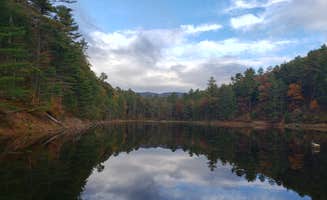
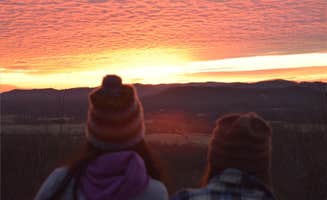
The rocks on the trail may be a pain, but the formations and views from Raven's Ridge, Lion's Head and Bear Rocks rival the best.
Do your homework, choose your camping gear and wardrobe wisely and launch off into the Dolly Sods Wilderness Area...you'll be glad you did!


