Whidbey Island camping opportunities near Coupeville extend beyond established campgrounds into diverse shoreline environments along the Saratoga Passage. The eastern side of the island receives less rainfall (under 20 inches annually) than western shores due to the Olympic Mountain rain shadow. Evening coastal temperatures typically drop into the 50s even during summer months, requiring additional layers for comfort after sunset regardless of season.
What to do
Beach exploration at low tide: Fort Flagler State Park offers exceptional tidepooling opportunities along its pebble beaches. Visitors can observe marine wildlife including starfish and seals. A camper noted, "The water is so clear, and there is so much wildlife in this park. I've never seen more starfish, and seals."
Historical military sites: Fort Casey Campground features accessible gun emplacements and a lighthouse within walking distance of campsites. "The fort is fun to explore all the dark nooks and crannies. The light house is just cool. The land around the Fort is easy to hike around to see the different parts and buildings," mentions a visitor.
Cycling opportunities: The Olympic Discovery Trail runs directly through Sequim Bay State Park Campground, making it "an ideal spot for people wanting a protected and scenic bike trail cycling experience." The park also offers boat launch facilities and water access.
Ferry excursions: Campsites near ferry terminals provide day-trip options. A camper at Fort Casey suggests, "It would also be a great day excursion to walk onto the ferry and spend the day walking around and exploring Port Townsend, it's about a 30 min ferry boat ride."
What campers like
Waterfront views: Fort Flagler Historical State Park Campground offers both forest and beach camping options. "Spacious campground compared to most. Great views and several trails. Definitely will be back. Has electrical hook-ups and water," notes a camper. The park features upper wooded sites for more privacy and lower beachfront sites.
Off-peak camping experience: Winter camping brings unique advantages. "We went in spring and it rained a lot, but still got out to explore the bunkers and the beach. Beach front sites and more trees sites. Bikes are helpful to explore the whole park. Quiet island history!" reports a Fort Flagler visitor.
Trail access: Fort Townsend offers natural trail connections. A camper mentions, "Within walking distance of the tent sites are large grassy fields with plenty of room for activities and games and there are several miles of easy walking trails that parallel the shore line with beautiful vistas overlooking Port Townsend Bay."
Diverse site options: Fort Ebey State Park Campground provides varied camping experiences. "The campsites are generally large and well separated by foliage, even in winter," states a visitor who appreciated the privacy between sites.
What you should know
Noise considerations: Naval Air Station operations affect several campgrounds. At Fort Casey, "For over two hours, we were treated to intermittent but frequent LOUD jets flying close to the ground. We both had headaches and our dogs were upset," reports a camper. Timing of flights varies but typically ends by evening.
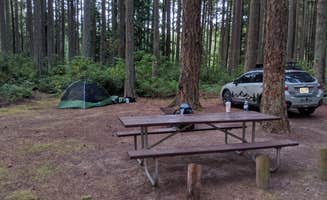
Limited privacy at certain parks: Site selection matters significantly. "The beach campground is very open with little privacy between spots, but there is quite a bit of space," notes a Fort Worden camper. Research specific site reviews before booking.
Seasonal differences: Fort Worden Historical State Park camping experience changes throughout the year. "We had beautifully clear skies and little light pollution so it was really nice for stargazing. There are two gun batteries right next to the campground and a trail right out to the beach," shares a winter visitor.
Reservation requirements: Popular waterfront sites fill quickly. A Camano Island camper reports, "Last min stay and got a site RIGHT on the water! Site 10. Worth every penny, great little hikes and wonderful spaces."
Tips for camping with families
Educational opportunities: Military history provides learning experiences. "The Fort is fun to explore... kids of all ages should do the Junior Ranger program which the Gift Shop has the packets," advises a Fort Flagler visitor.
Beach-accessible campgrounds: Look for gradual beach access with safe swimming areas. A Deception Pass State Park Campground visitor highlights, "We went with family in two different vehicles and were able to secure two spots next to each other. Nice walking trails to the Strait of Juandefuca and Cranberry Lake. Very green and beautiful."
Protected swimming options: Some parks feature designated swimming areas better suited for children. A visitor notes, "Cranberry Lake has a designated swimming area where the water is super shallow and just perfect for the kiddos."
Playgrounds and recreation: Several parks feature developed play areas. "This has been well thought out with the play parks. It really is a lovely site but limited for large RVs," mentions a Sequim Bay camper.
Tips from RVers
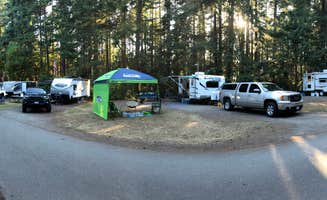
Site dimensions and access: Big rig accessibility varies significantly between campgrounds. "Nice sites, very clean and well kept, privacy between sites isn't great, lots to do, nice hiking and biking trails," notes a Fort Ebey visitor regarding site conditions.
Hookup locations: Placement of utilities can create challenges. A Sequim Bay camper reports, "Our site in particular had hookups in all the wrong places and a steep hill directly behind it (not great for families with little ones)."
Winter camping options: Bay View State Park Campground provides year-round access. "Had a nice, quick stay. Quiet, clean restrooms, hot shower, and good cell service--everything I wanted after a full day of hiking," mentions a camper, highlighting amenities important to many RVers.
Tow vehicle parking: Some parks provide additional parking options. A Fort Townsend camper notes, "Having the parking lot next to the lots for our cars to park" was a saving grace when sites were tight.













 Traveler


