Camping near Vesuvius, Virginia occurs primarily in the Blue Ridge Mountains at elevations between 1,500-3,000 feet where summer temperatures average 75-85°F during the day and cool to 55-65°F at night. The region features extensive hiking opportunities with multiple trail access points connecting to the Appalachian Trail. Cell service remains limited throughout most camping areas, with complete dead zones in more remote locations.
What to do
Hike to Spy Rock summit: 1.5 miles from Fish Hatchery trailhead. The trail leading to Spy Rock provides challenging terrain but rewards hikers with exceptional panoramic views. "The hike up is brutal but the top is absolutely worth it. This most recent time camping we discovered that apparently TECHNICALLY camping isn't allowed anymore, but the fire pit and tent areas still seem in use," shares Emily T., who notes there's "no service until you get up to the top."
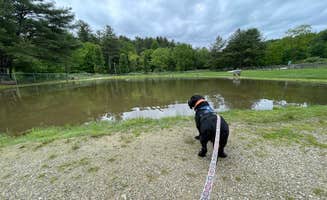
Fishing in stocked ponds: $4-6 per pound caught. The fishing ponds at Montebello Resort contain trout and bass with rental equipment available. "The trout pond is not what they make it out to be on the website. It's a very small pond with zero shade at the entrance of the resort. It is not catch and release, it is catch and keep, whatever you catch, you pay for power pound," Adrian K. explains about the fishing setup.
Explore historical sites: Thomas Jefferson's Monticello 45 minutes east. While camping at Vesuvius, visitors can explore the rich history of nearby Charlottesville. As Sam M. suggests during his Spy Rock trip, "If you're looking for something to do in the area, go visit Monticello (TJ's house), go to a winery, see UVA's campus and take a historical tour."
What campers like
Year-round access: Several campgrounds open all seasons. The Natural Bridge-Lexington KOA remains accessible throughout winter months. "This campground is open year round and is right off the highway. There is a gas station right next to it as well as a safari park," notes Bridget H., highlighting its convenient location.
Clean bathroom facilities: Multiple shower houses at larger campgrounds. Dog friendly campgrounds near Vesuvius typically maintain well-kept facilities. At Sherando Lake Campground, "the shower houses are at the center of each loop and have been rebuilt to ACA standard with in the last five years," according to Linda C., who appreciates these updated amenities.
Waterfront camping: Creek and riverside sites available. Many campers enjoy the sound of water while sleeping. At Crabtree Falls Campground, "The tent sites we stayed in were 10 ft away from the Tye river, we literally fell asleep to the sound of the water every night," shares Britt S., describing the tranquil setting.
What you should know
Limited cell service: Most campgrounds have weak or no signal. Communication becomes difficult throughout the Vesuvius camping areas. The Oronoco Campground provides free dispersed camping but visitors should plan accordingly as "No cell service for AT&T or T-mobile" according to Connor S., who visited in March.
Wildlife encounters: Bears active throughout region. Campers should store food properly in all local campgrounds. At Sherando Lake, "A young bear was repeatedly visiting site A9 up the road from me and I had to chase him off when he came near my site!" warns Lisa M., emphasizing the importance of using the provided food lockers.
Weather variability: Mountain elevations cause rapid temperature changes. Pack layers even during summer trips. At Montebello Resort, Adrian K. notes, "Overall it was a lovely place to stay as a hub for a lot of attractions in this part of GWNF [George Washington National Forest]" but warns about rapid temperature shifts.
Tips for camping with families
Playground access: Multiple age-appropriate play areas. Family-friendly camping options abound near Vesuvius. "This camp ground was nice and cozy...Crabtree Falls is a mile up the road and very easy to get to the trail head," explains Britt S., though she cautions "the facilities that were about a quarter mile walk away from our sites; this is something to consider if you are camping with older folks or children."
Swimming lakes: Multiple natural water features for cooling off. Pet friendly camping near Vesuvius often includes swimming opportunities. "There are two lakes—the lower lake is the largest at 25 acres, and while the beach can get crowded during peak season, it's an easy walk from the campground, with a large swimming area roped off," notes Stephanie J. at Sherando Lake.
Consider weekday visits: Significantly fewer crowds. For families seeking quieter experiences, timing matters. Katie M. advises that "Coming in the middle of the week is the best time if you like to have peace and quiet and the place all to yourself" when visiting Sherando Lake with children.
Tips from RVers
Challenging hookup configurations: Pack extension cords and extra water hoses. Some RV sites have unusual utility placements. At Devils Backbone Camp, Robert M. discovered that "some of the pads (#9 in our case) had a septic cap that was too high. We didn't have those things to raise the hose up, so I had to manually lift and empty the hose for the duration of our emptying. Also, the power station was on the opposite side of the septic, so make sure you have a 30ft power cord at least!"
Site selection strategies: Request specific areas based on needs. RVers should consider shade, privacy, and accessibility. At Walnut Hills Campground, "The sites along the lower area near the lake were shaded mostly, some more than others, while the sites up the hill at the top and near the front entrance (pull through sites) were not shaded much," reports Laure D.
Seasonal considerations: Check site drainage during wet months. Mountain campgrounds can experience rapid runoff issues. One camper at Walnut Hills reported, "first arrived weary of storm headed our way only to find out our campsite was the only in our section that wasn't a flood zone," highlighting the importance of terrain assessment when booking sites.












 Scout
Scout


