Rollins Fork camping areas lie within Virginia's Northern Neck peninsula, where the Potomac and Rappahannock rivers flow toward the Chesapeake Bay. Sites in this region typically rest at elevations between 20-100 feet above sea level, with summer temperatures averaging 85-90°F during peak camping months. Local campgrounds experience seasonal pollen coverage and occasional shoreline erosion due to their proximity to waterways.
What to do
Fossil hunting on the Potomac shoreline: At Westmoreland State Park Campground, visitors search for prehistoric shark teeth along designated beach areas. "We came from Pa/De and wanted to look for sharks teeth. It was beautiful here so we decided to stay the night. We only have a small tent and some snacks. Lol but we are having an amazing time," noted Sara A. The shoreline access points contain fossils dating back millions of years.
Hiking interconnected trail systems: The wooded trails at Caledon State Park Campground provide 3-mile routes to river access points. "It's a nice 3 mile hike to the campsite which is right by the Potomac river! They have porta Johns and a pavilion close by. The beach is beautiful and we saw the most gorgeous sunset," reports Shelby O. Trail markers identify connecting paths between camping areas and waterfront locations.
Swimming at managed pools: Fredericksburg-Washington DC KOA maintains pool facilities for summer swimming. "Pool facility looks clean and good size for all to enjoy. With a playground right next to it and a small mining operation for the kiddos," writes Edward S. The swimming areas provide alternatives to river recreation during periods of algae blooms or high water.
What campers like
Heated bathroom facilities: Winter campers appreciate Westmoreland State Park Campground's climate-controlled facilities. "Bath houses are heated which is amazing. We had a large group so we rented B49 and B48," shares RL. Campers report reliable hot water during off-season camping when temperatures drop below freezing.
Community gatherings: Social opportunities emerge at local campgrounds through scheduled events. "They have Saturday night communal bonfires, but we didn't go check that out," mentions Ariel F. about Thousand Trails Harbor View. These communal spaces allow campers to share information about local wildlife sightings and trail conditions.
Waterfront privacy options: Cabin rentals at Oak Ridge Campground provide secluded camping near water. "The sites were roomy and not too close. We saw lots of wildlife but had no issues with trash or food (raccoons left everything alone)," notes Lisa P. Site spacing varies significantly between campgrounds, with some offering greater separation between neighbors.
What you should know
Variable campsite design: Site layouts differ widely across regional campgrounds. "Sites varied greatly in size. Some seemed entirely too close, others spread apart. At times, sites seemed backwards - I kept saying they should reverse the one way direction so back in sites were easier," explains Tracy R. about Oak Ridge Campground. Many campgrounds feature both open and tree-covered sites within different loops.
Military training noise: Proximity to military installations affects some camping areas. "We could hear activity at Quantico. Lots of air noise too, from both airplanes and helicopters," reports Tracy R. These sounds typically increase during weekdays and decrease during weekend camping periods.
Tick prevalence: Insect protection remains essential, particularly during warmer months. "Ticks were really bad. We killed dozens and ended up taking at least one with us when we left," cautions Tracy R. Local rangers recommend permethrin-treated clothing for hikers and daily tick checks for campers with pets.
Tips for camping with families
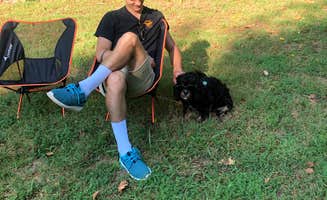
Dog-friendly waterfront access: Several dog friendly campgrounds near Rollins Fork provide water access for pets. At Pohick Bay Campground, pet owners find specified areas for water play. "This is definitely a family campground. So my activities for kids and places to run around. Pirate's Cove waterpark is definitely a highlight in summer," notes Anne K. Most sites enforce 6-foot leash rules on trails and in camping areas.
Scheduled family programming: Ranger-led activities occur regularly during summer months. "They did have great trails, a lot of scheduled events for all ages, a pool and boat rentals and competitive prices," shares Rachel A. about Westmoreland State Park. These programs typically include nature walks, fishing demonstrations, and wildlife identification sessions.
Playground proximity: Campground layouts often position family sites near play areas. "We got a site on the inner loop and it backed to the playground and the bathhouse. The site was spacious," reports Ben G. about Pohick Bay. Family-designated loops typically feature closer bathhouse access and reduced quiet hours enforcement.
Tips from RVers
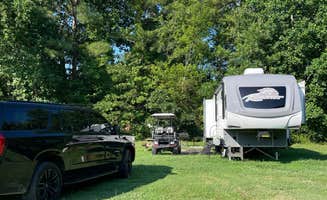
Site surface conditions: Gravel site maintenance varies across campgrounds. "Gravel site pad could definitely use some maintenance and fresh material added. Had to put down boards to park our travel trailer because about a third of the pad had just turned into mud," reports Nick E. about Thousand Trails Harbor View. Spring camping often requires additional leveling equipment after seasonal erosion.
Hookup access for winter camping: Year-round RV parks maintain functioning water connections despite freezing temperatures. "The park is well off the beaten path, but has plenty of historic and other attractions near by. We stayed on the B loop, the lot we reserved by only looking at a park map was nice a spacious for our popup," says Anthony D. Campgrounds with winter operations often provide heated water spigots and winterized dump stations.
















 Scout


