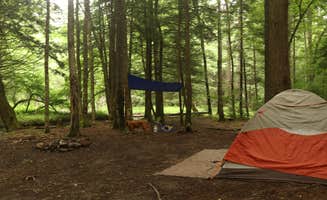
Dispersed camping opportunities near McDowell, Virginia extend throughout the George Washington National Forest with numerous primitive sites situated along creeks and mountain ridges. The area sits at elevations ranging from 2,000-4,000 feet, creating mild summer camping conditions compared to lower elevations. Winter camping requires additional preparation as temperatures frequently drop below freezing, particularly at higher elevations where snow can persist from December through March.
What to do
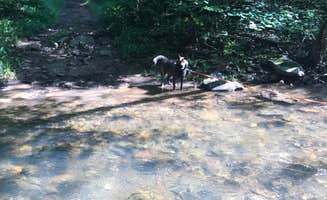
Creek exploration: North River Campground has excellent creek access with multiple water features. "The streams were awesome...fast-flowing, ranging from ankle to knee deep. There are trails from the campground along the streams, with several crossings," notes Thomas R. Sites position campers directly beside these waterways for easy fishing access.
Astronomy viewing: The lack of light pollution creates exceptional stargazing opportunities at Flagpole Knob. "Watching storms roll in across the mountain tops...fog settling into the valleys like white foaming rivers...being perched beside rainbows...moonlight piercing the night through your curtainless windows...and reveling in the surreal sunrises and sunsets did it for me," reports Dave V. The elevation at 3,458 feet provides unobstructed horizon views.
Trout fishing: Stocked waters provide reliable fishing opportunities throughout the season. "The pond is stocked with trout in season, check DGIF site for dates," advises Paul P. Most fishing spots require a Virginia fishing license, available online or at local outfitters in Stokesville.
What campers like
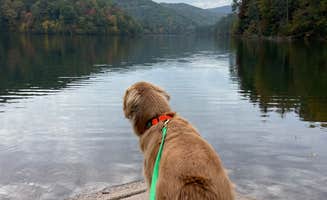
Isolation opportunities: Switzer Lake Dispersed Camping offers complete seclusion for those willing to venture deeper. "If you really wanna be alone this is the spot. Camped up there with just my dog and I doubt there was a single person for miles around," reports Sydney D. Weekday visits virtually guarantee solitude.
Four-season accessibility: While some campgrounds close seasonally, dispersed areas remain available year-round. "Duration of Stay: Oct 16-18, 2020. Average Daily Temp: 61. Average Evening Temp: 30," notes Mike C. Winter camping requires preparation for temperatures that frequently drop below freezing.
Clear water features: Multiple sites feature pristine water access. "Though you can't swim in the lake, we did wade the stream, which was cold and clear and beautiful," says Amy S. Mountain streams maintain cold temperatures even during summer months, rarely exceeding 65°F.
What you should know
High-clearance vehicle requirements: Flagpole Knob and similar remote sites often require appropriate vehicles. "This site requires a 4x4 vehicle with clearance. The trail leading to and from camp can be a bit tricky for some," warns David B. Standard passenger cars risk damage on these forest roads.
Limited cell service: Communication infrastructure remains minimal throughout the region. "Off the grid. First come first served, no host, no plumbing, no electricity, no cell or data signal. No fees, no check-in. Great place to leave behind civilization," says Paul P. Emergency communications require driving to higher elevations or back to main roads.
Wildlife precautions: Proper food storage prevents unwanted animal encounters. "Also there is raccoons. Tie up your trash and keep your shoes in your tent or vehicle. A few people lost shoes overnight while we were there and found them few hundred yards away," advises Adrian F. Bear activity increases during late summer and fall months.
Tips for camping with families
Beginner-friendly options: Natural Chimneys Regional Park offers amenities that ease first-time camping experiences. "Very little cell reception. I mostly come here for Red Wing Roots, but the pool and playground make it an excellent spot to travel with kiddos," reports Lucy P. The established campground provides flat sites with reliable access.
Educational opportunities: Geological formations create learning experiences beyond typical camping activities. "The Natural Chimneys are awesome. The park is flat with nice campsites and a stream that varies from year - it runs underground some years," explains Meridith M. The limestone formations rise over 120 feet from the valley floor.
Swimming alternatives: When temperatures rise, managed swimming areas provide safer options than creeks. "No cell service, but beautiful and fun place for swimming, hiking, and mountain biking," notes Lucy P. about Todd Lake Campground. Designated swimming areas typically open Memorial Day through Labor Day.
Tips from RVers
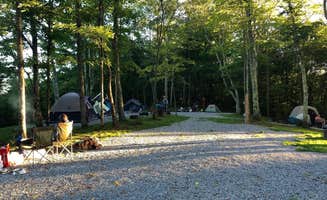
Site selection strategy: Walnut Hills Campground offers various terrain options depending on preferences. "The sites along the lower area near the lake were shaded mostly, some more than others, while the sites up the hill at the top and near the front entrance (pull through sites) were not shaded much," observes Laure D. Booking specific sites rather than general admission improves experience.
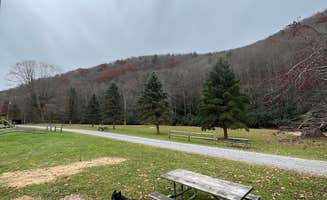
Limited hookup availability: Most forest service campgrounds provide minimal services for larger rigs. "Basic circular camp ground. No cell service, water or electric. Trail to hike along the river and Staunton dam a short walk down the road," explains Jay Z. about North River Campground. RVers requiring full hookups should consider private campgrounds near Staunton instead.
Generator restrictions: Noise limitations affect power options at most public campgrounds. "Duration of Stay: July 28-31, 2020. Average Daily Temp: 89. Average Nightly Temp: 78. One of the best when it comes to size of site, privacy, and remote feel," notes Mike C. while camping at Seneca State Forest. Many sites prohibit generator use during quiet hours from 10pm to 7am.











 Scout
Scout


